
Last updated November 25, 2026
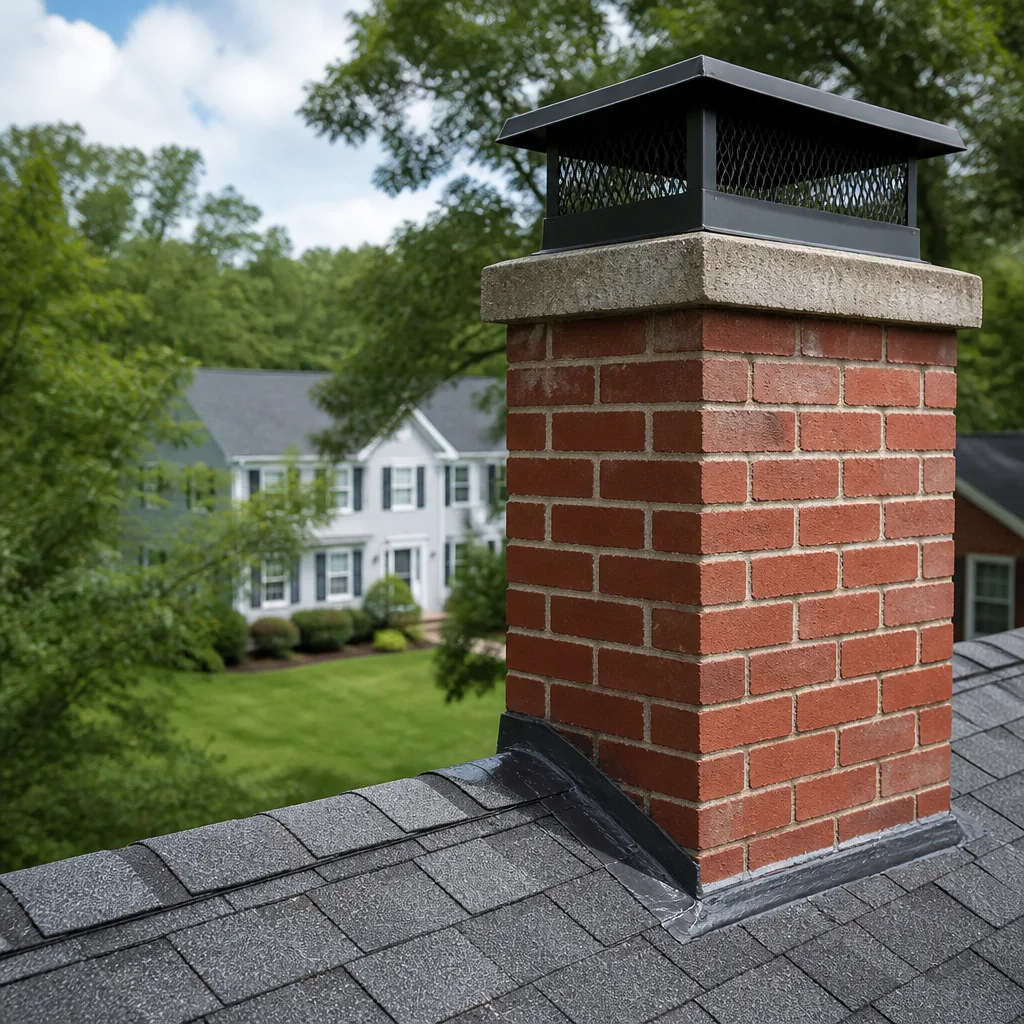 Sweep & inspection
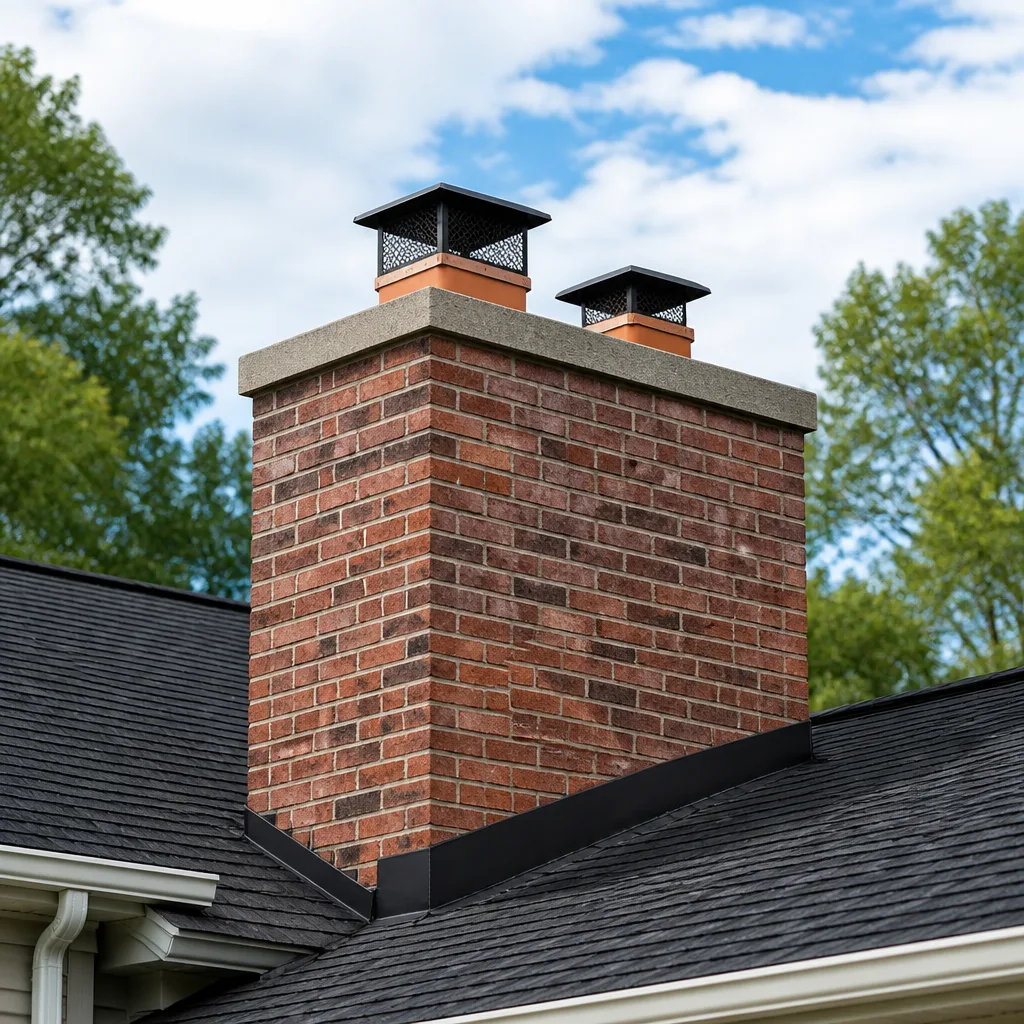 Caps & crowns
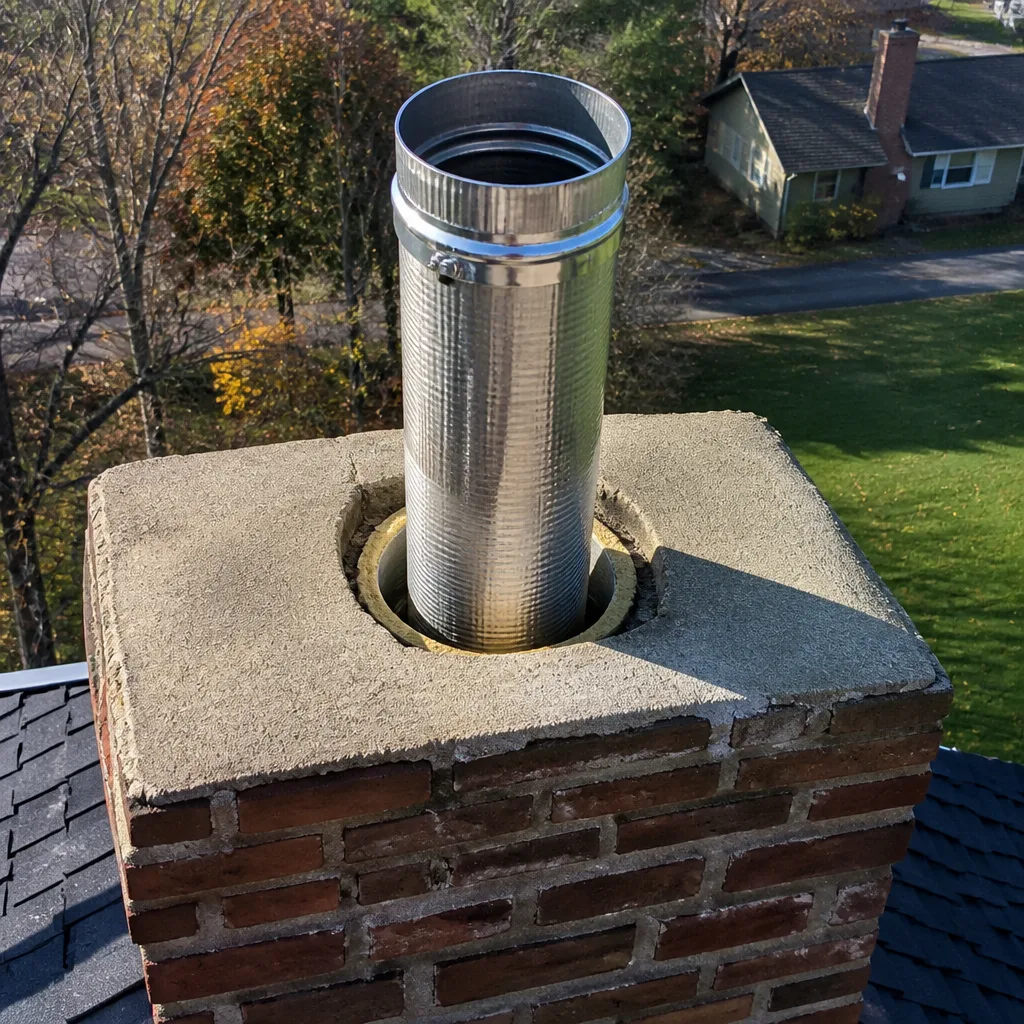 Flue relining
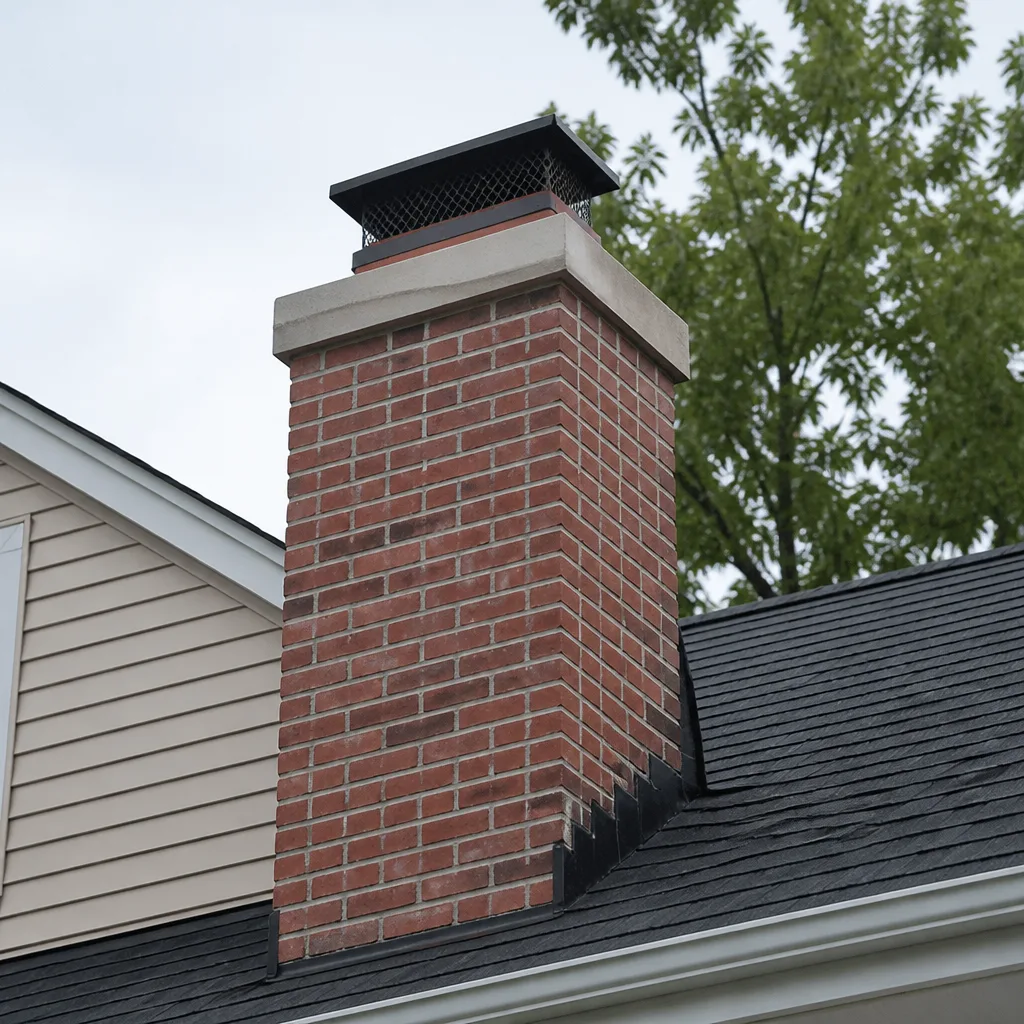 Masonry repair
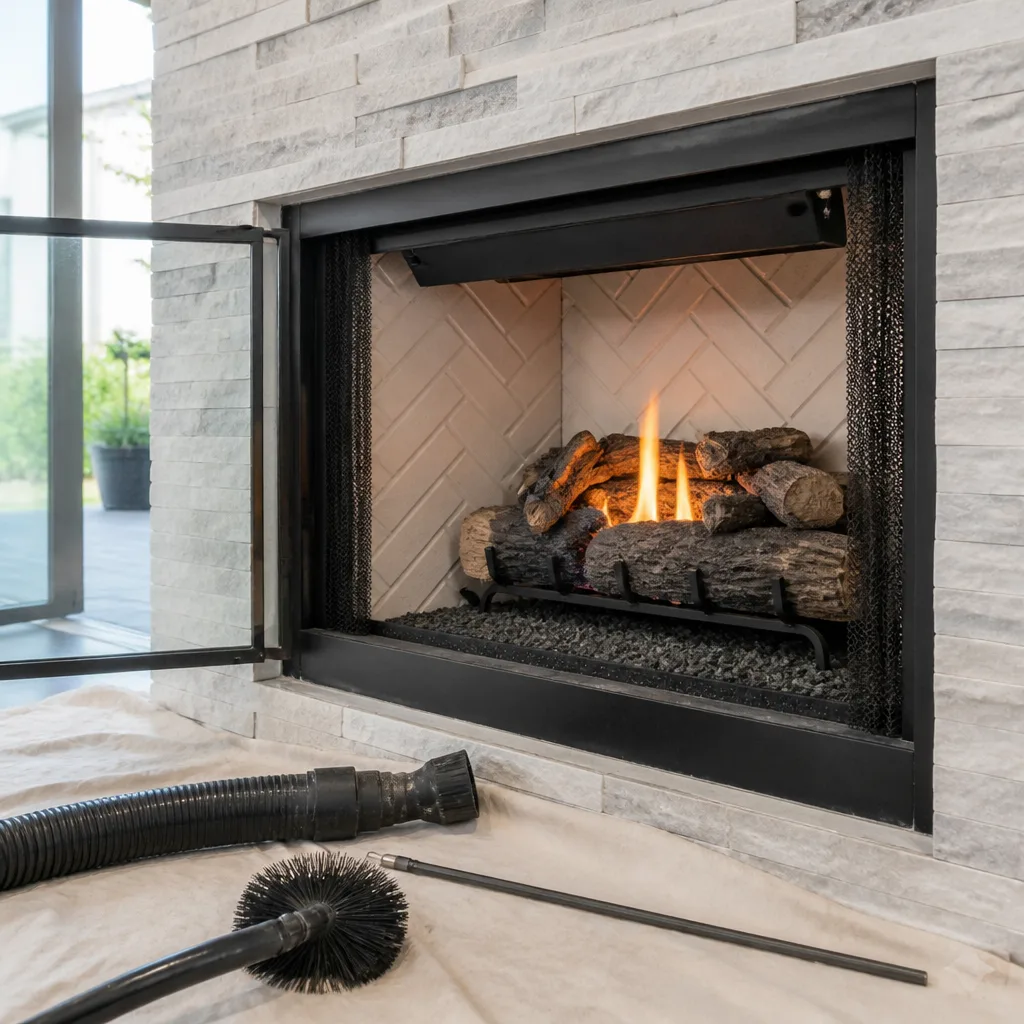 Gas fireplace service
Level 1 sweep and inspection to the NFPA 211 annual standard - flue, crown, cap, and flashing checked and photographed
Chimney sweep logs do not sweep chimneys. They loosen some creosote - which then falls where a brush and vacuum still have to collect it.
Chimney Cleaning Emergency Preparedness Guide for Knoxville Homes
A chimney fire doesn’t always sound like a roaring blaze. It can burn as a slow, oxygen-limited smolder inside the liner for hours, heating the surrounding masonry to temperatures that ignite wall framing without a single visible flame. That’s the part most homeowners don’t know, and it’s the reason this guide exists. We want Knoxville homeowners to recognize the quiet signs, know the exact three-step response before firefighters arrive, understand what to do with the fireplace afterward, and build a chimney emergency file that first responders and insurance adjusters can actually use. Preparation turns a bad night into a manageable one.
Quick Answer
If you suspect a chimney fire in Knoxville, get everyone out of the house, call 911, and don’t throw water on the fire or close the damper all the way. After any chimney fire, don’t relight the fireplace until a certified technician performs a Level 2 inspection with a camera, because the heat can crack tiles and warp a liner even when the fire looked small. Preparation starts before the emergency: an annual sweep, a working CO alarm on the right wall, and a documented record of your chimney’s condition.
Styles & brands we work with
- Sweep & inspection
- Caps & crowns
- Flue relining
- Masonry repair
- Gas fireplace service
Table of Contents
- How do you recognize an active chimney fire?
- What are the three steps to take before firefighters arrive?
- What should you do with your fireplace after a chimney fire?
- Carbon monoxide protocol for chimney-connected appliances
- Knoxville storm preparedness: tornado, high wind, and lightning
- How to build a chimney emergency file
- What prevents a chimney emergency in the first place?
- Common mistakes to avoid
How do you recognize an active chimney fire?
A chimney fire shows itself through sound, smell, and visual signs, and the quiet ones are the hardest to catch. The loud version is obvious: a low rumble that sounds like a freight train or a distant roar, popping and crackling from the flue, and sometimes black smoke or flames at the top of the chimney. The quiet version burns inside the flue with limited oxygen and produces almost no exterior drama. What you may notice instead is a hot chimney breast, a strong creosote smell in the room, puffs of smoke escaping at the damper, or a sudden warping sound as metal components expand.
Knoxville’s burning season runs through the cooler months, and the pattern we see most often is a firebox loaded with wood that has been smoldering in a cold flue. Creosote glazed onto the liner walls is the fuel, and a hot fire or a sudden rush of oxygen can light it. Three things matter when you’re deciding whether to act:
- Sound: a roar, rumble, or continuous crackling that doesn’t match the size of the fire you built.
- Smell: a sharp, hot creosote odor that lingers in the room or drifts outside near the chimney top.
- Visible signs: smoke backing into the room, a glowing or discolored chimney exterior, sparks or flames at the crown.
If two of the three are present, treat it as a fire and act. The chimney sweep that clears glazed creosote before the season is the most direct way to remove the fuel these fires feed on. A chimney with a heavy creosote load is a chimney with a higher risk, and no fire is worth the risk of a hidden smolder heating your framing.
What are the three steps to take before firefighters arrive?
Your job in the first two minutes is to get people out, alert the fire department, and starve the fire of fuel without cutting off your own escape or flooding a hot flue. The order matters. Follow these steps:
- Get everyone out of the house first. Don’t stop to gather belongings, and don’t send anyone back inside for pets. Once outside, call 911. The fire can spread through the chimney’s contact with framing faster than the visible fire in the firebox suggests.
- Close the glass doors and the damper, if you can do so safely from outside the line of the fire. Cutting oxygen slows a chimney fire. Don’t stand in front of a firebox that’s producing flame or heavy smoke to do this. If you can’t reach the controls safely, leave them alone and get outside.
- Never spray water into the firebox or onto a hot flue. Water on a fire-heated masonry flue or a metal liner can crack it or cause a violent steam expansion. Let the fire department handle the interior. Once outside, you can use a garden hose on the roof or exterior only if the fire department directs it and only from the ground with no one climbing.
While you wait, keep people away from the chimney exterior and any roof edge. Don’t climb onto a steep or wet roof to inspect; in our experience, falls during chimney emergencies are more common than the fires themselves. The crews that respond will tell you what they need from you, so have your address clear, the door unlocked if it’s safe, and a description of where the chimney sits.
What should you do with your fireplace after a chimney fire?
After a chimney fire, the fireplace stays out of service until a certified technician performs a Level 2 inspection with a camera, full stop. The reason is simple: a fire hot enough to burn through creosote can crack clay tiles, warp a metal liner, loosen mortar joints, or distort the metal cap and crown. None of that is reliably visible with a flashlight from the firebox. Relighting a damaged flue creates what technicians call a second-event risk, meaning heat or carbon monoxide can pass through a crack that wasn’t there before.
What the inspection should cover:
- A camera run through the full flue to check for tile cracks, gaps, and liner distortion.
- A check of the smoke chamber, damper, firebox, and mortar joints for heat damage.
- An exterior check of the crown, cap, flashing, and chimney top for cracking or displacement.
- A written record with photos that documents what was found, useful for insurance and for the next inspection.
If the inspection finds liner damage, the fix isn’t always a full rebuild. HeatShield is a restoration material used to resurface and seal a deteriorating flue from the inside, and for many older bricks-and-mortar chimneys it means repair instead of a full reline. A flexible liner like those from DuraFlex covers the cases where a full reline is the right call. The point is that the decision should come from the camera evidence, not from a guess. That’s how we approach fireplace repair for a chimney that has been through a fire: find the damage, document it, then recommend the work that matches it.
Carbon monoxide protocol for chimney-connected appliances
Carbon monoxide from a chimney-connected appliance is colorless and odorless, so the alarm placement is the only early warning you get. Standard guidance puts a CO alarm near sleeping areas, but a chimney-driven CO leak often shows up where the flue penetrates a room, not at the ceiling. For chimney-connected appliances, we recommend an alarm on each level of the home and, if you want to catch flue leaks that ceiling-mounted alarms can miss, a second alarm at roughly knee height on the wall of the room where the chimney passes through and in the room with the fireplace or wood stove.
Why lower and closer? CO is slightly lighter than air but mixes readily with room air, and a flue leak tends to spill into the room at the appliance rather than rise straight to the ceiling. A knee-height alarm in the fireplace room catches that spill earlier than one mounted high near the bedrooms. Place one at each level, one inside or just outside every sleeping area, and one low in the room with the chimney. Test the batteries on the same schedule you test your smoke alarms, and check the manufacturer’s replacement date.
If a CO alarm sounds:
- Move everyone to fresh air immediately, and leave the door open behind you. Don’t stop to open windows or find the source first.
- Call 911 from outside. Tell the dispatcher that a CO alarm is sounding and that you have a wood-burning or gas appliance connected to a chimney.
- Don’t re-enter until the fire department clears the home. Once it’s clear, a technician should inspect the appliance and flue before you relight anything.
Common chimney-side CO sources include a blocked flue, a disconnected or rusted liner connector, a cracked flue tile, or a closed damper. In Knoxville, a flue that was clear in December can be blocked by a bird’s nest or debris by spring, which is one reason the spring inspection matters as much as the fall one.
Knoxville storm preparedness: tornado, high wind, and lightning
After a tornado warning, a high-wind event, or a nearby lightning strike, check your chimney from the ground and decide whether the damage needs emergency tarping or can wait for an inspection. Knoxville sits in a region where spring severe weather is common, and chimney damage after a storm often hides at the top of the stack. What to look for from outside:
- The cap: a dislodged or missing cap lets rain, birds, and debris into the flue. This is an inspection item, usually not an emergency.
- The crown: cracks or broken sections that let water run down the outside of the flue. Usually an inspection item, but a large broken section warrants a call.
- Chimney top and flashing: a displaced top, a tilted chimney, or flashing pulled loose at the roof line. This is where water gets into the house, so it moves to the top of the list.
- Loose masonry or a leaning stack: debris on the roof, a bulging section, or bricks sitting askew after a wind event. Treat this as an emergency; keep people and cars away from the drop zone and call a technician.
Emergency tarping is for cases where water is actively getting inside or where loose masonry could fall. A missing cap or a hairline crown crack can wait for the next inspection, and we say so plainly. A lightning strike near the house is its own case: even a near-miss can loosen mortar or crack a flue tile, so it belongs on the inspection list for the week, not the emergency list unless you see visible damage. If you’re unsure, describe what you see over the phone and we’ll tell you whether it should be tarped today. Water intrusion from a storm-damaged chimney crown is one of the most common causes of the interior damage we see, which is why we install chimney cap & crown protection using Gelco crowns and Olympia Chimney caps sized to the flue.
How to build a chimney emergency file
A chimney emergency file gives first responders clear information and gives your insurance adjuster a paper trail, and it takes one evening to assemble. Keep it in a single folder, physical or digital, that anyone in the household can find. A first responder doesn’t have time to search for it, so keep a copy accessible and a second copy off-site or in the cloud.
What belongs in the file:
- Appliance details: the type of fireplace, wood stove, or insert, and the model and serial number if you can find it.
- Last inspection report: the date, the technician’s findings, and the photos of the flue and firebox.
- Liner documentation: the liner material and the date it was installed, whether it’s a HeatShield restoration, a DuraFlex flexible liner, or an original clay flue. A note on the installer and a copy of the receipt helps.
- Chimney sweep history: the date of each annual sweep, and any notes on creosote buildup or repairs recommended.
- Contractor contacts: our number and the fire department’s non-emergency line, with a note on when to call each.
- Home details for responders: the chimney location on the roof, any gas line near the fireplace, and the location of the CO and smoke alarms.
Why it matters practically: insurance adjusters ask when the chimney was last inspected and what the liner situation was. A chimney fire claim with a documented last inspection moves faster than one where the history is a guess. The Chimney Sweep Knoxville inspection report goes straight into this file, and it’s written to be read by someone who wasn’t there. One company handles the diagnosis and the repair, so the report and the repair record come from the same place.
What prevents a chimney emergency in the first place?
Most chimney emergencies trace back to a neglected component, which means most are preventable with an annual sweep, a camera inspection, and a cap. The annual sweep clears the creosote before the burning season, and the inspection catches the liner damage, the loose cap, and the masonry crack before they become an insurance claim. Knoxville’s humid summers and cool winters create their own patterns: a chimney that sat unused through a wet spring can have a blocked flue or a rusted liner connector by the first cold snap. A capped chimney keeps out rain, birds, and debris, which is simpler than clearing a blockage in the middle of winter.
The prevention checklist, in order:
- Book the annual sweep before the burning season. This removes glazed creosote, the fuel that feeds a chimney fire.
- Get a camera inspection to check the flue, smoke chamber, and firebox. Do this every year, and any time after a chimney fire or storm.
- Have the cap and crown checked. Annually through the inspection, and immediately after any high-wind event.
- Test the CO and smoke alarms on a fixed schedule, and place the CO alarms as described above.
- Burn dry, seasoned wood. Wet wood produces more creosote, and that creosote is what burns.
- Never burn cardboard, trash, or treated lumber in a fireplace or wood stove. It compounds the creosote problem and produces corrosive gases.
The materials you have installed matter too. We use the brands chimney professionals specify by name, including HeatShield for flue restoration and Gelco for crown work, so the repair under your cap is the repair the next technician will recognize. If your liner needs replacing, a DuraFlex system is on the list of options we work with. The right materials last through the storms and the seasons Knoxville throws at a chimney. If you’re not sure when your chimney was last inspected, that’s the sign to start the file now rather than later.
Common Mistakes to Avoid
- Relighting the fireplace after a chimney fire without an inspection. The fire can leave hidden cracks in the flue even when it looked small. A Level 2 camera inspection is the only reliable way to know.
- Spraying water into a hot firebox. Cold water on a fire-heated flue or liner can crack it. Let the fire department handle the interior.
- Mounting the only CO alarm at the ceiling. A flue leak can show at knee height in the fireplace room. Place a second alarm lower and closer to the chimney.
- Treating a missing cap as a cosmetic nuisance. An uncapped flue invites birds, rain, and debris. In Knoxville, a spring nest can block the flue by the time the next fire is lit.
- Writing off a tornado warning because the house looks fine. Chimney caps, crowns, and flashing fail at the roof line, where you can’t see from the ground. A ground-level check and a call is worth the effort.
- Burning wet or unseasoned wood because it’s what’s stacked. Wet wood creates more creosote, and more creosote is the fuel a chimney fire needs.
- Skipping the paper trail. Without an inspection record and liner documentation, an insurance claim after a fire becomes a guessing game. Build the file before you need it.
See the difference
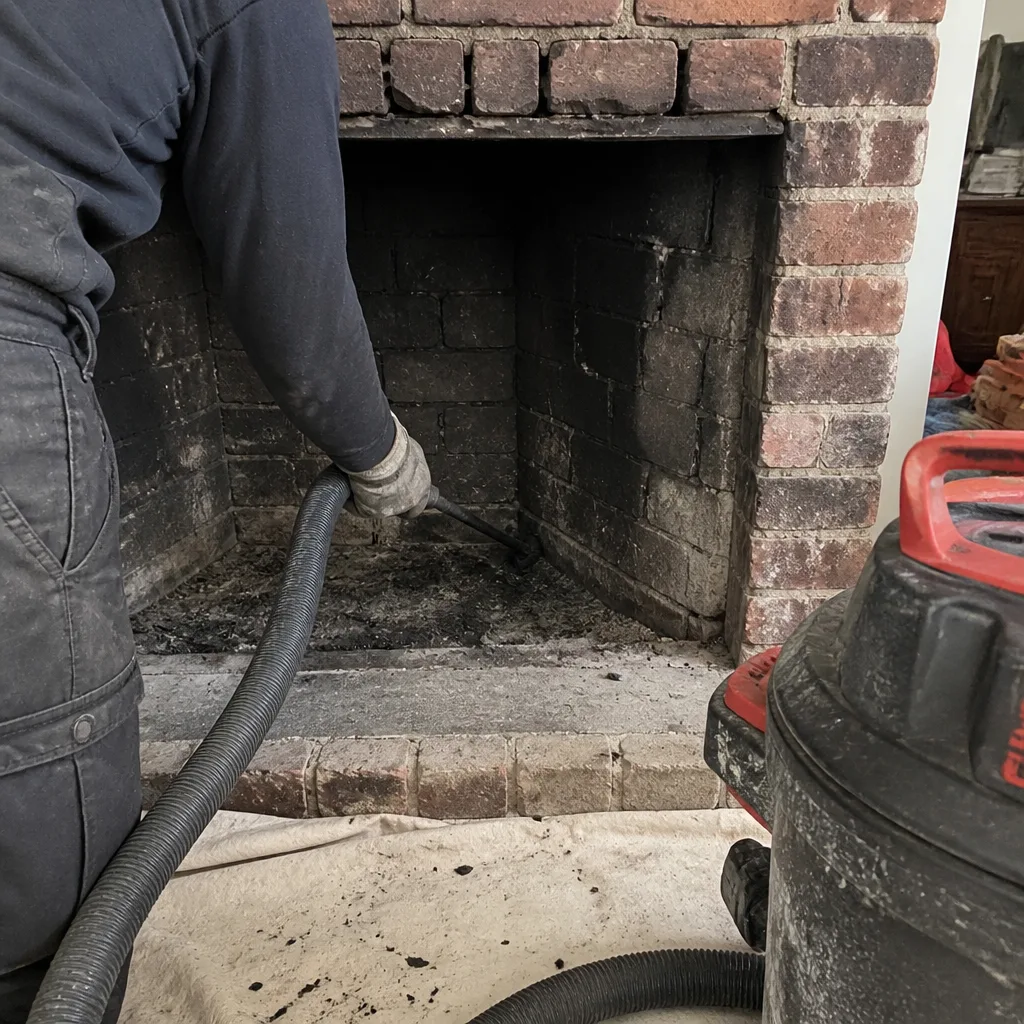 Before
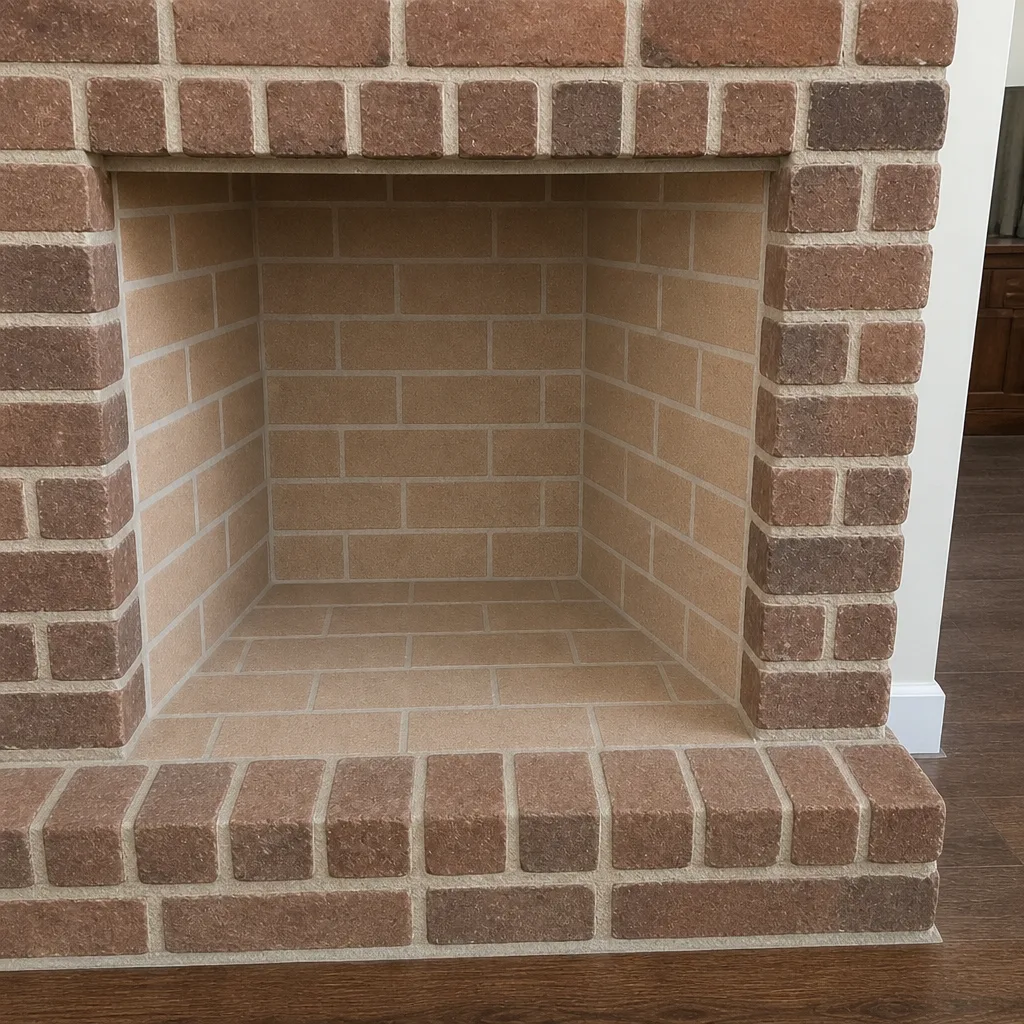 After
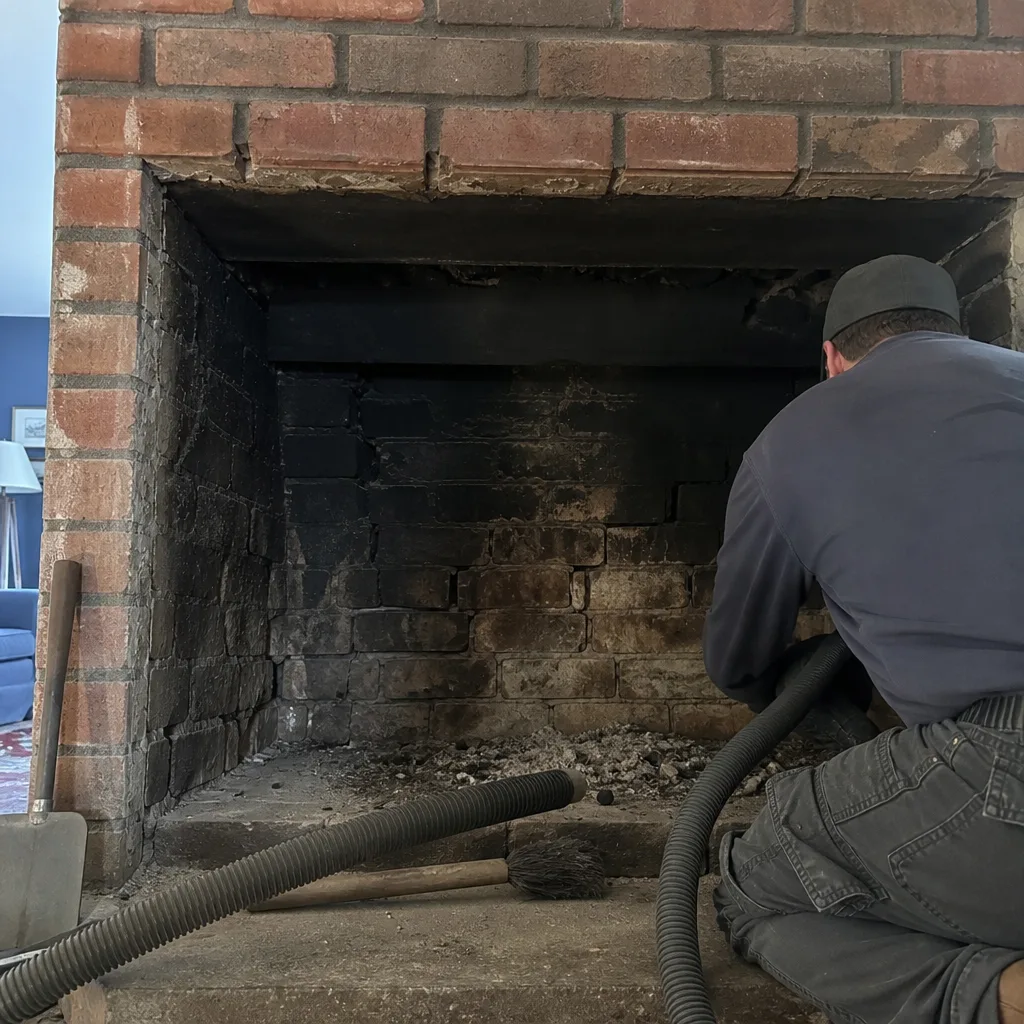 Before
 After
 Before
 After
When to Call a Professional
Call a professional if you’ve had any chimney fire, even a small one; if your CO alarm has sounded; if a storm has left a cap missing, a crown cracked, or masonry loose at the chimney top; if you smell creosote in the room or notice smoke backing into the house; or if it’s simply been more than a year since your last sweep. Our technicians have up to 9 years of experience, and we can work with your insurer if a claim follows. Chimney Sweep Knoxville offers free estimates in Knoxville: call (877) 792-6481. We answer 24/7, with fast dispatch from 7am to 7pm, Sunday through Friday. One call covers the inspection and the repair, using the same materials chimney professionals specify by name. Estimates are free and the price is set per job by the written estimate.
Frequently Asked Questions
Signs of a chimney fire include a roaring or rumbling sound from the flue, a strong hot creosote smell, puffs of smoke at the damper, a glowing or discolored chimney exterior, and popping or crackling from the flue. A slow smolder can leave almost no external sign, so a recent hot smelling fire with no obvious cause warrants an inspection. Call (877) 792-6481 to book one.
Not until a certified technician has performed a Level 2 camera inspection. The heat can crack flue tiles and warp a liner, and relighting a damaged flue creates a second-event risk. Book the inspection before the next fire, and keep the fireplace out of service until the report is clear. The estimate is free.
Put a CO alarm on every level of the home, one near each sleeping area, and a second one at roughly knee height in the room where the chimney passes through or where the fireplace sits. That lower placement catches a flue leak that a ceiling-mounted alarm can miss. Test the batteries on the same schedule as your smoke alarms.
Emergency tarping is for water actively getting inside the house, a leaning or bulging stack, or loose masonry that could fall. A missing cap or a hairline crack in the crown can wait for an inspection. If you’re unsure, describe what you see over the phone and we’ll tell you which category it falls into. Call (877) 792-6481.
A chimney emergency file should include the appliance model and serial number, the last inspection report with photos, liner documentation, the sweep history, contractor contacts, and the chimney location for responders. Keep a copy accessible and a second copy off-site. The inspection report from Chimney Sweep Knoxville is written to go straight into it.
Most chimneys should be swept once a year, before the burning season, and any time you’ve had a chimney fire, a storm, or notice smoke backing into the room. A wood stove or insert sees more creosote and is worth checking on the same annual schedule. Book the sweep before you need it: call (877) 792-6481, and estimates are free.
The Bottom Line
Chimney emergencies in Knoxville follow predictable patterns: heavy creosote, a neglected inspection, a cap lost to a storm, or a CO leak from a cracked flue. Each one is far easier to prevent than to respond to. Keep the annual sweep on schedule, get the camera inspection, place the CO alarms where a flue leak will actually reach them, and know the three-step response if a fire starts. Build the emergency file before you need it, and keep the number for the fire department and a chimney sweep where you can find it. Our technicians have up to 9 years of experience, and one company handles the inspection through the repair. Call (877) 792-6481 for a free estimate on a sweep or inspection. We answer 24/7.
Written by the team at Chimney Sweep Knoxville.