
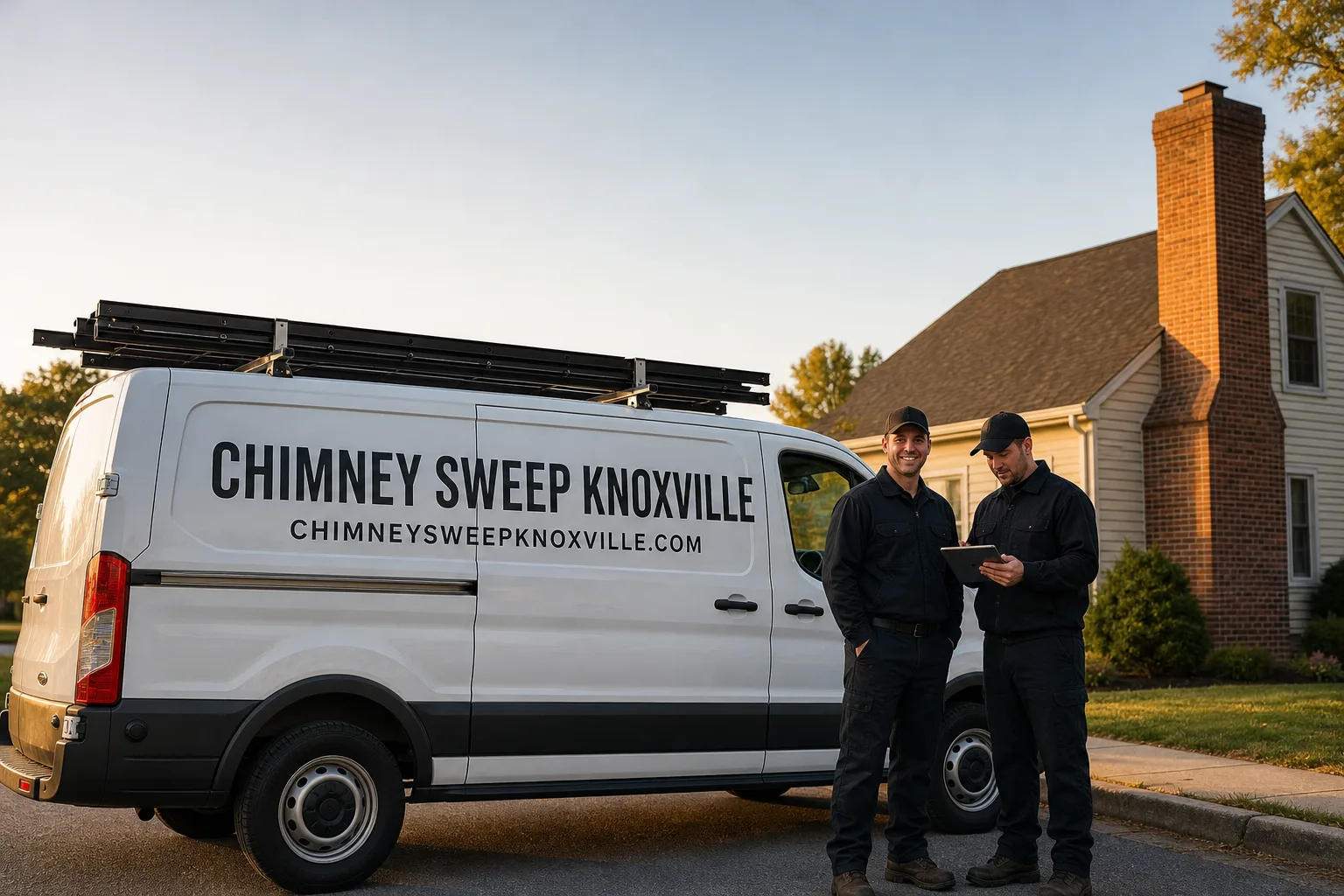
 Sweep & inspection
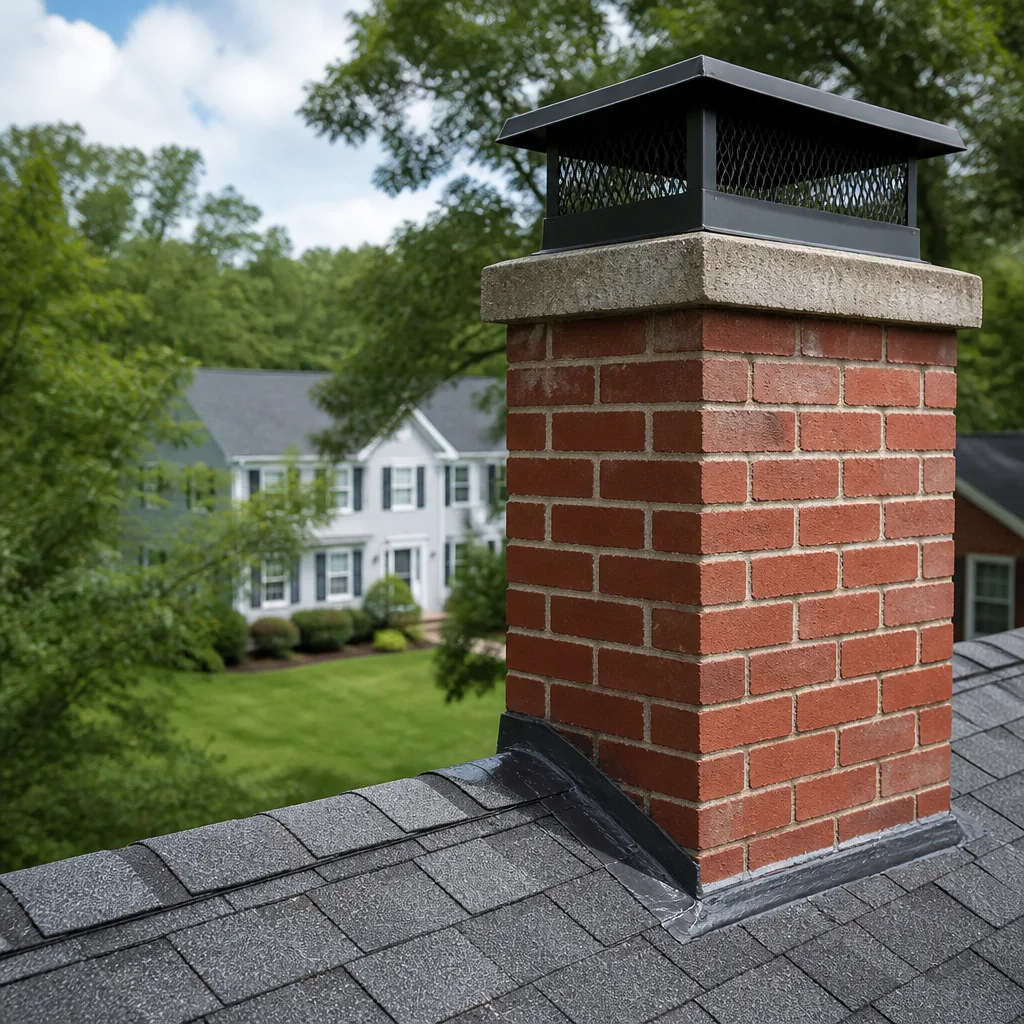
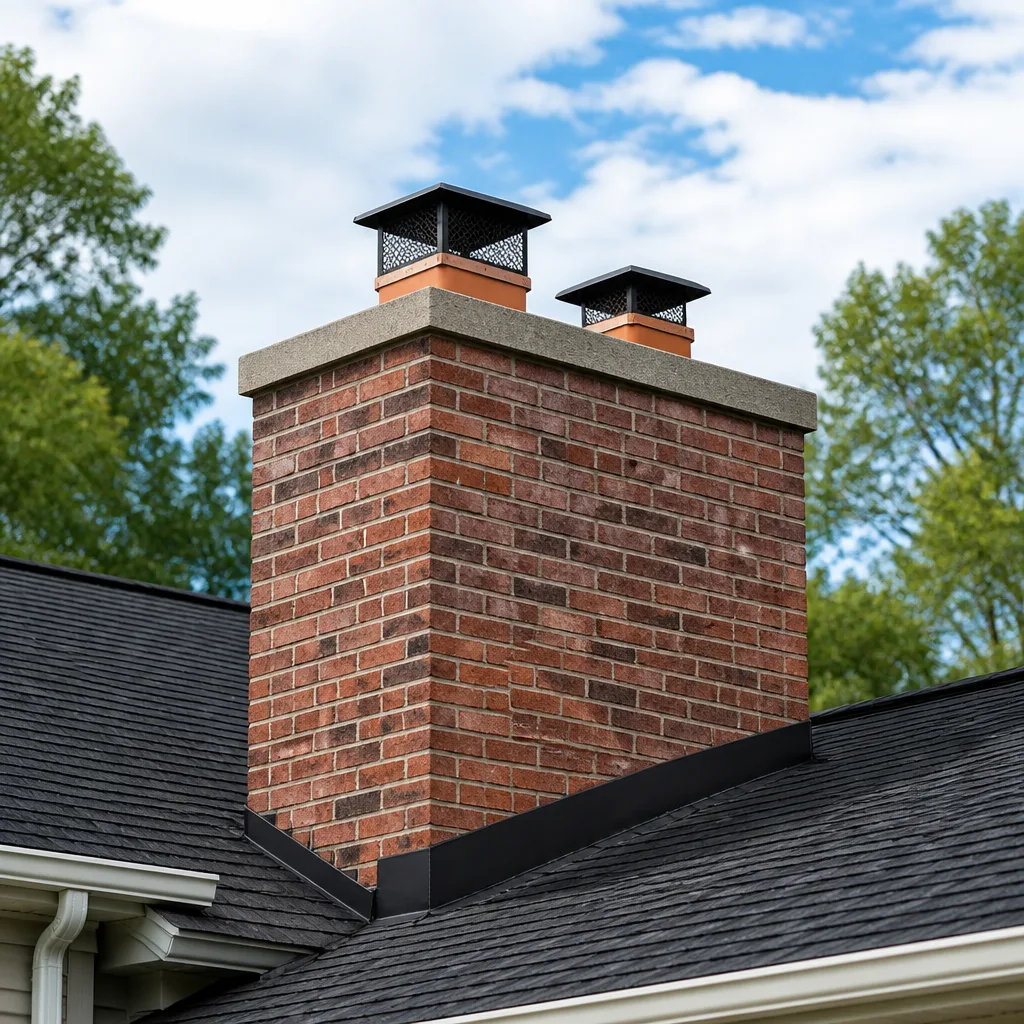 Caps & crowns
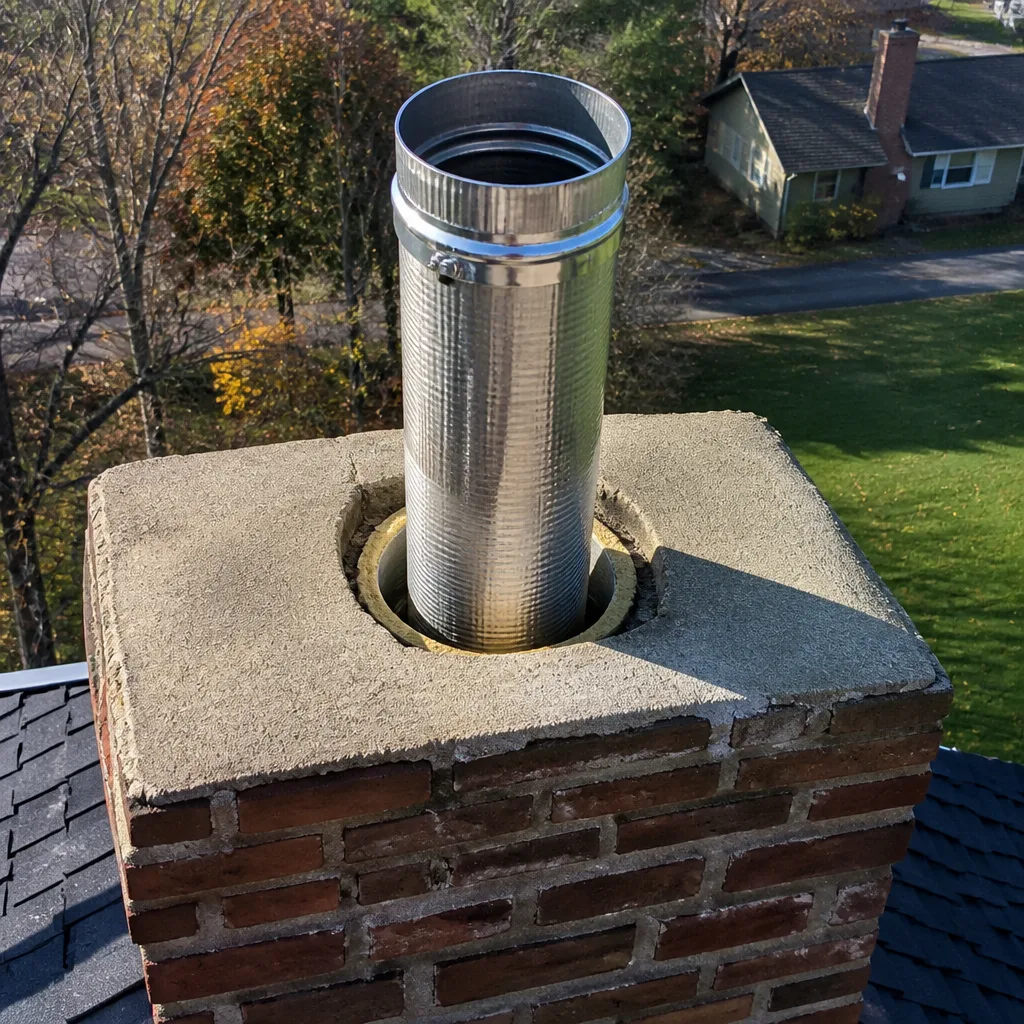 Flue relining
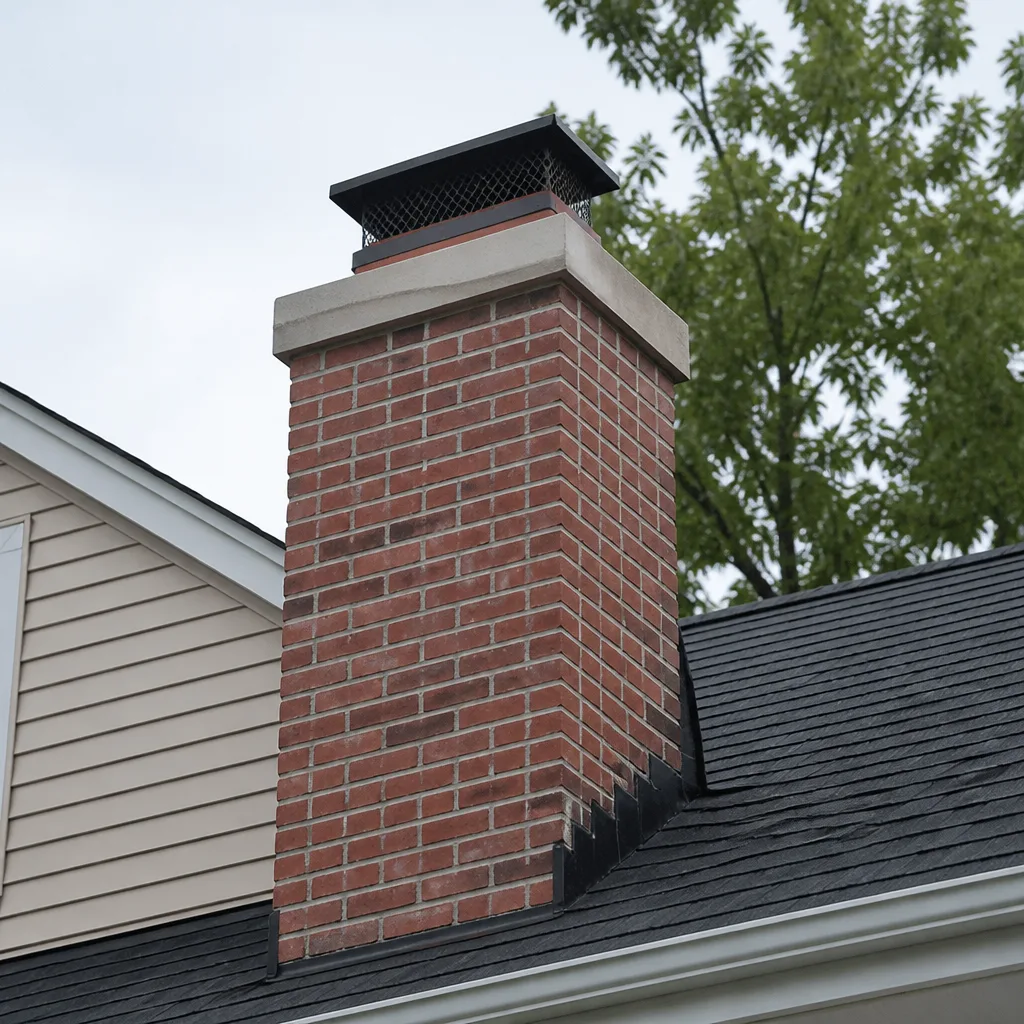 Masonry repair
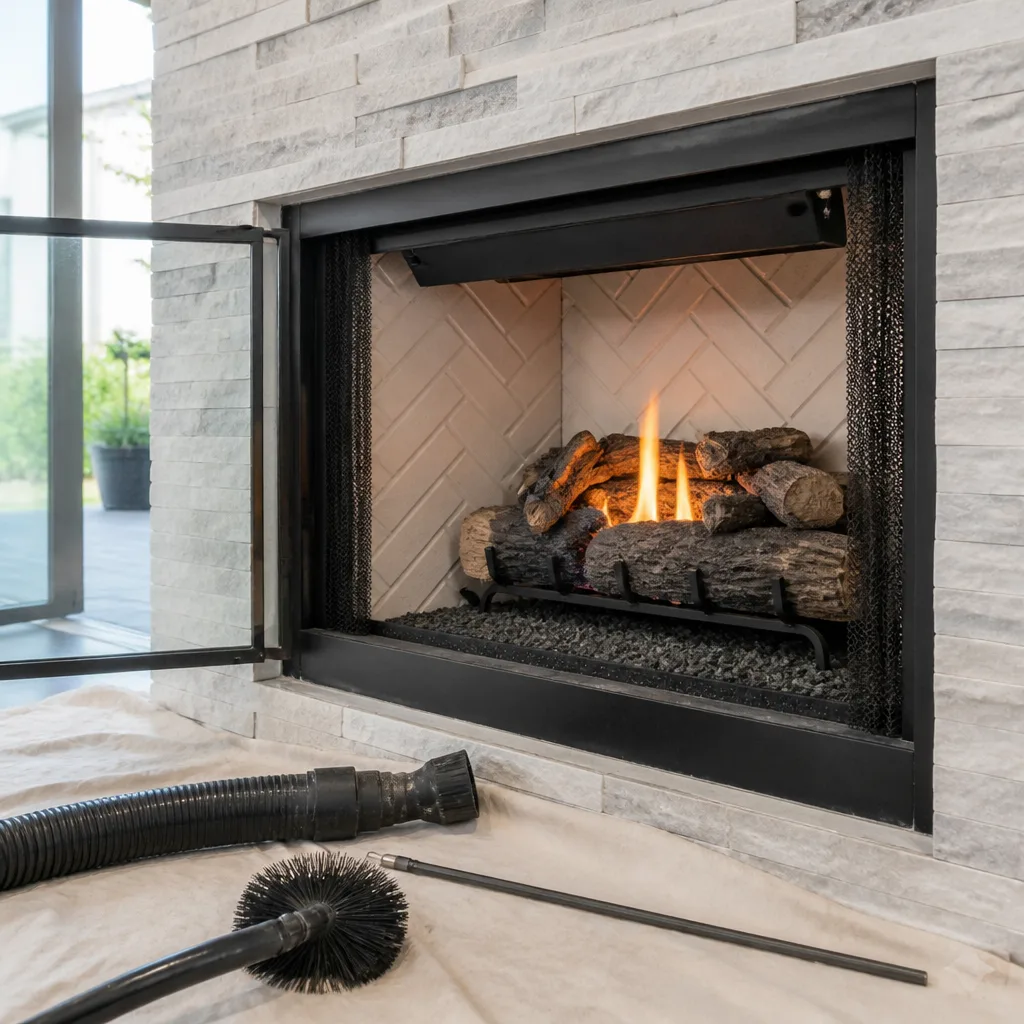 Gas fireplace service
Level 1 sweep and inspection to the NFPA 211 annual standard - flue, crown, cap, and flashing checked and photographed
Chimney sweep logs do not sweep chimneys. They loosen some creosote - which then falls where a brush and vacuum still have to collect it.
Trusted Chimney Inspection for Knoxville Homeowners
A chimney inspection in Knoxville answers one question you can’t answer from the living room: is this flue safe to burn in? Creosote builds up quietly through the burning season, and Knoxville’s mix of older brick chimneys and newer prefab inserts means the problems we find are rarely the same twice. Maybe the damper won’t seat. Maybe a flue tile cracked after a hard freeze. Maybe there’s a bird nest six feet down that you’d never see from the hearth. Our technicians have up to 9 years of experience reading exactly these signs, and we show you what we find with camera evidence before anyone recommends a dollar of work. Call (877) 792-6481. We answer 24/7. Fast dispatch from 7am to 7pm, Sunday through Friday.
What Our Chimney Inspection Service Includes
An inspection isn’t a formality. It’s the difference between a safe fire and a dangerous one, so we treat each level of inspection as its own job with its own scope. Here’s what each one covers and when Knoxville homeowners typically need it.
Level 1 Inspection
A Level 1 inspection is a visual check of the readily accessible parts of your chimney and venting system: the firebox, damper, flue from the firebox up as far as we can see, the cap, and the exterior where it’s safe to reach. You need one when you’re maintaining a chimney that’s already in known-good condition, usually alongside your annual sweep. We go through the firebox and damper by hand, check the cap and crown from the roofline, and give you a plain written summary of anything that looks off.
Level 2 Inspection
A Level 2 inspection goes further: it adds a camera run of the flue interior and a closer look at accessible attic and crawlspace areas where the chimney passes through. You need a Level 2 whenever something has changed: a new appliance, a chimney fire, a change of fuel type, a property sale, or an earthquake or severe weather event. We run a camera the full length of the flue and record stills and video you can keep, which matters because a cracked tile or offset joint at ten feet is invisible from below.
Level 3 Inspection
A Level 3 inspection is the most involved and is only performed when a Level 1 or Level 2 has raised a serious concern that can’t be resolved without opening up construction. That might mean removing part of a wall, a chimney crown section, or interior masonry to reach a hidden flue or chase. You need one when there’s evidence of a problem the camera can’t reach or explain. We’ll tell you clearly what would need to be opened, why, and what we expect to learn before we touch anything, so you can decide with full information.
Camera Inspection
A camera inspection is exactly what it sounds like: a specialized chimney camera run down the flue on a flexible rod, feeding live video back to a monitor we show you on site. You need it whenever there’s a question about flue condition that a visual check can’t settle, which in practice covers most Level 2 work. We record the run and leave you with the footage so you have a record of the flue’s condition, not just our word for it.
Flue Inspection
A flue inspection focuses specifically on the venting path for smoke and gases, checking for cracks, gaps, blockages, improper sizing, and creosote glaze that sits beyond what a sweep can brush away. You need one after any burning problem: smoke rollback, a smoky smell in the house, or a stove that won’t draw. We check the flue from the appliance connection all the way to the termination, including the cap and any offsets, and we’re honest about what can safely wait and what shouldn’t.
Real Estate Inspection
A real estate inspection is a Level 2 inspection timed for a property transaction, written to document the chimney’s condition for both buyer and seller. You need one when a home is changing hands and the fireplace is part of the deal, since a home inspector’s report covers the chimney only at a glance. We document what we find with photos and video, state plainly what’s a safety issue versus what’s normal wear, and give you a written report you can hand to your realtor.
Styles & brands we work with
- Sweep & inspection
- Caps & crowns
- Flue relining
- Masonry repair
- Gas fireplace service
Brands We Service for Chimney Inspection
We inspect chimney systems regardless of what’s in them, but knowing the common makes matters. Gelco is a name we see on liner and venting components, and we know where those systems tend to show wear: at the joints and terminations where heat cycling does its work. Olympia Chimney systems come through our inspections often enough that we recognize the signs of a component that’s reached the end of its service life versus one that just needs cleaning. When we recommend a repair, we use the same materials chimney professionals specify by name, not whatever’s cheapest at the supply house.
Famco and Copperfield round out the makes we know well. Famco components have a way of hiding small failures behind a clean-looking cap, and Copperfield liner systems are ones we can assess and, when needed, reline with matching professional-grade materials. Whether your chimney carries Gelco, Olympia Chimney, Famco, Copperfield, or any other make, we can help, from diagnosis through repair, without handing you to a second contractor.
Signs You Need Chimney Inspection Right Now
- Smoke rolling back into the room. A fireplace that used to draw well and doesn’t anymore usually has a flue restriction, a damaged damper, or negative pressure from something else in the house. It’s a sign worth checking before the next fire, not after.
- A strong creosote smell, especially on warm days. That smoky odor means creosote is present in the flue and off-gassing as temperatures rise. Heavy creosote is the fuel source for chimney fires, so this is the point to get eyes on it.
- Visible cracks in the firebox or missing mortar joints. Deteriorated masonry lets heat and gases reach parts of the structure that were never meant to handle them. Small cracks are cheap to address; the structural damage behind them is not.
- Water stains, rust, or a damaged cap or crown. Knoxville gets its share of freeze-thaw cycles, and water that gets into a chimney through a failed crown or cap will find every crack in the masonry. Rust on a damper or firebox grate points to moisture that shouldn’t be there.
- It’s been more than a year since the last inspection. An annual inspection catches small problems while they’re still small, which is the whole reason the industry recommends it. If you’ve moved into a home and don’t know the chimney’s history, that alone is a reason to schedule one.
Our Chimney Inspection Process – Step by Step
- 1
Talk through the history first. We ask what you burn, how often, whether you’ve had smoke issues, and whether the chimney has been inspected before. That conversation shapes where we look hardest, so we’re not just running a checklist.
- 2
Inspect the firebox and damper by hand. We check the firebox walls and floor for cracks and missing mortar, and work the damper through its range to confirm it seals and opens properly. It’s simple work, but it catches problems a camera won’t.
- 3
Run the flue camera the full length. A flexible camera goes from the firebox connection to the top of the flue, recording as it goes. We look for cracked tiles, gaps, offset joints, heavy creosote glaze, and obstructions, and we show you the footage on site.
- 4
Check the roof-level components. The cap, crown, and flashing are where most water intrusion starts. We assess them from the roofline where it’s safe to do so, and flag anything that needs a closer look or a repair, like a crown that’s cracked or a cap that’s rusted through.
- 5
Write it up and walk you through it. You get a clear written report with photos and video, separating what’s a safety concern from what’s normal wear and what can wait. We’ll tell you exactly what we found and exactly what it means before any work begins, and nothing gets recommended without camera evidence you can see for yourself.
An inspection tells you what’s going on inside the flue; the cleaning that usually follows is what removes the creosote. For the maintenance side of the job, see our chimney sweep in Knoxville service. Structural findings often lead to chimney repair or updated cap and crown work, and damper or firebox issues fall under fireplace repair.
See the difference
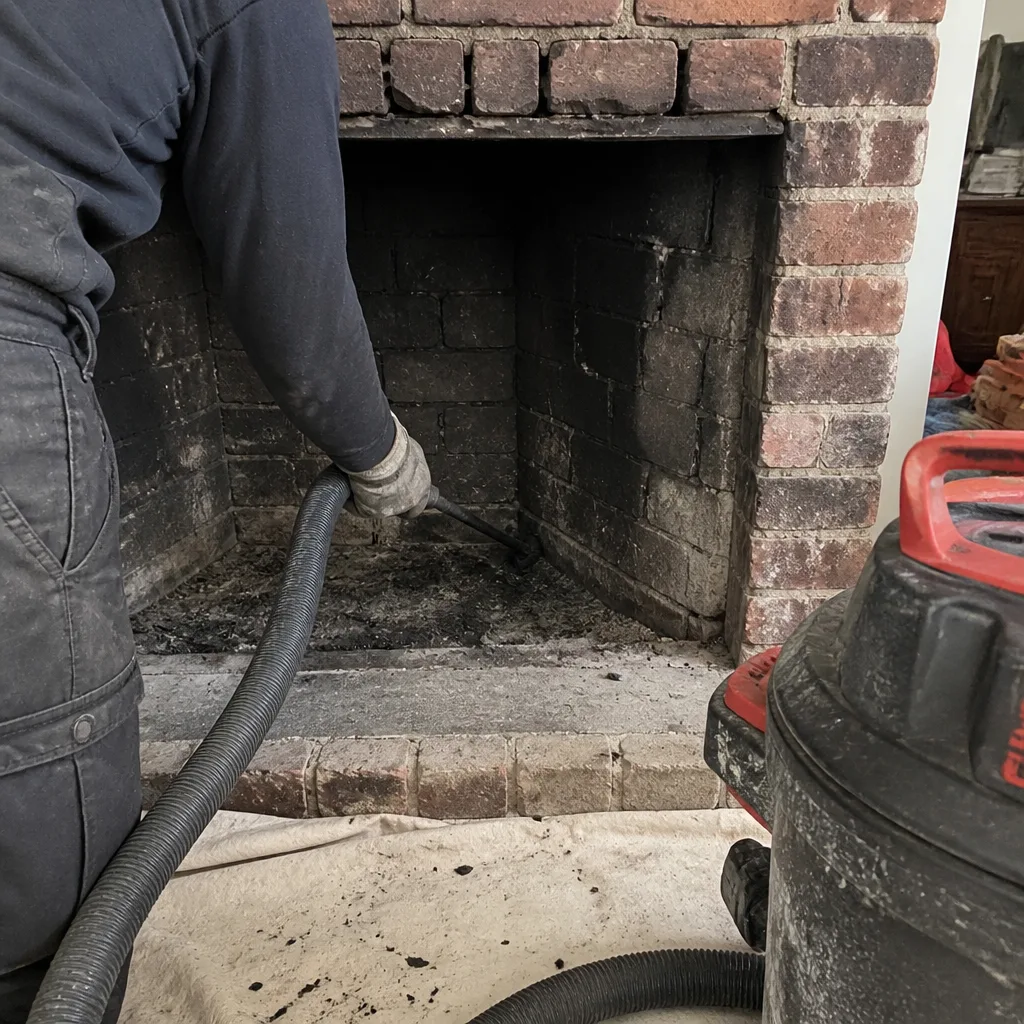 Before
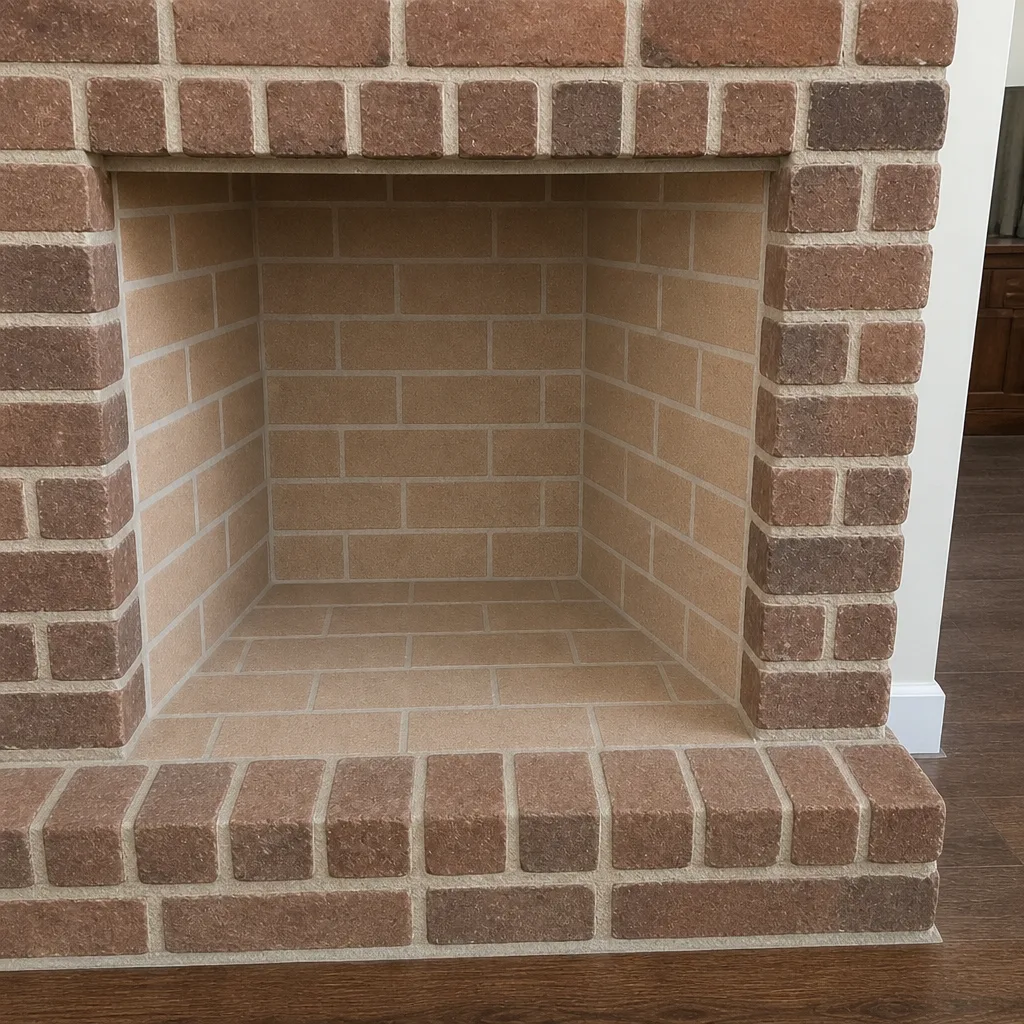 After
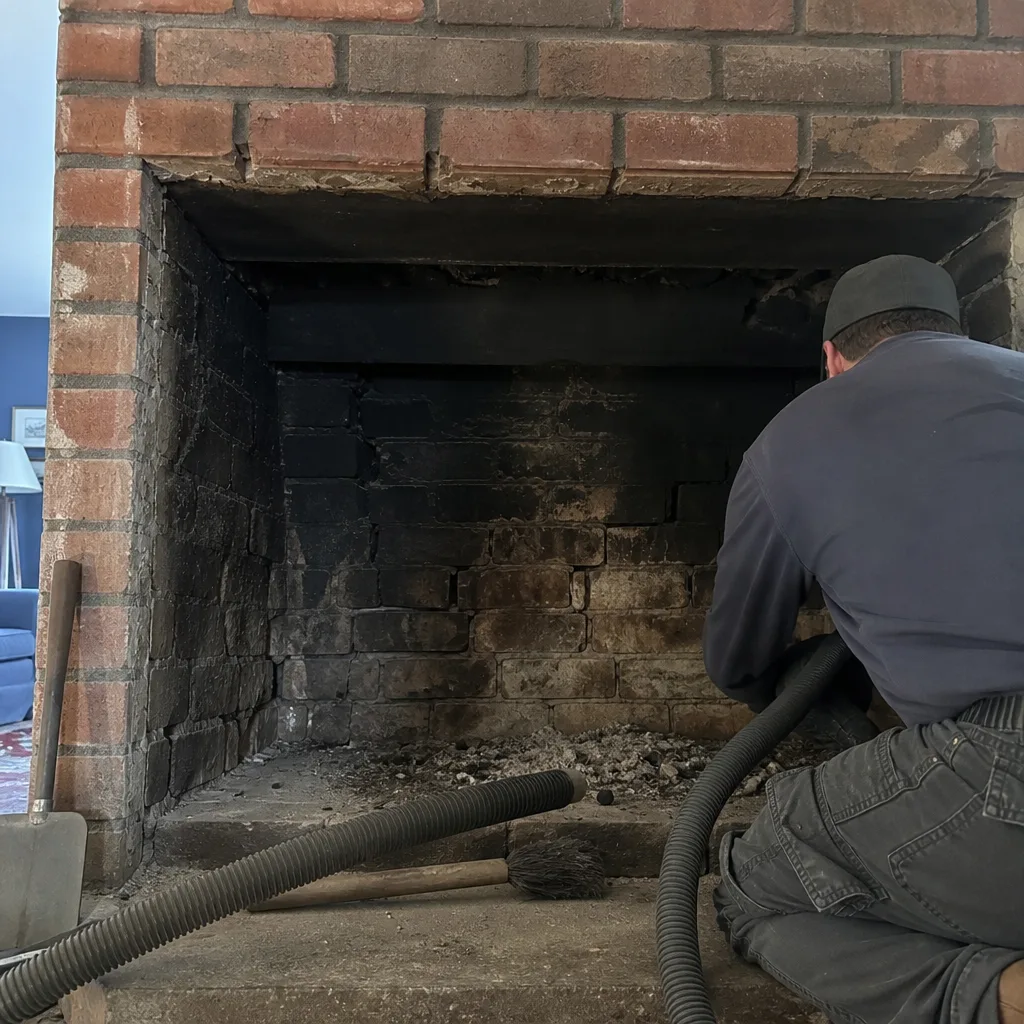 Before
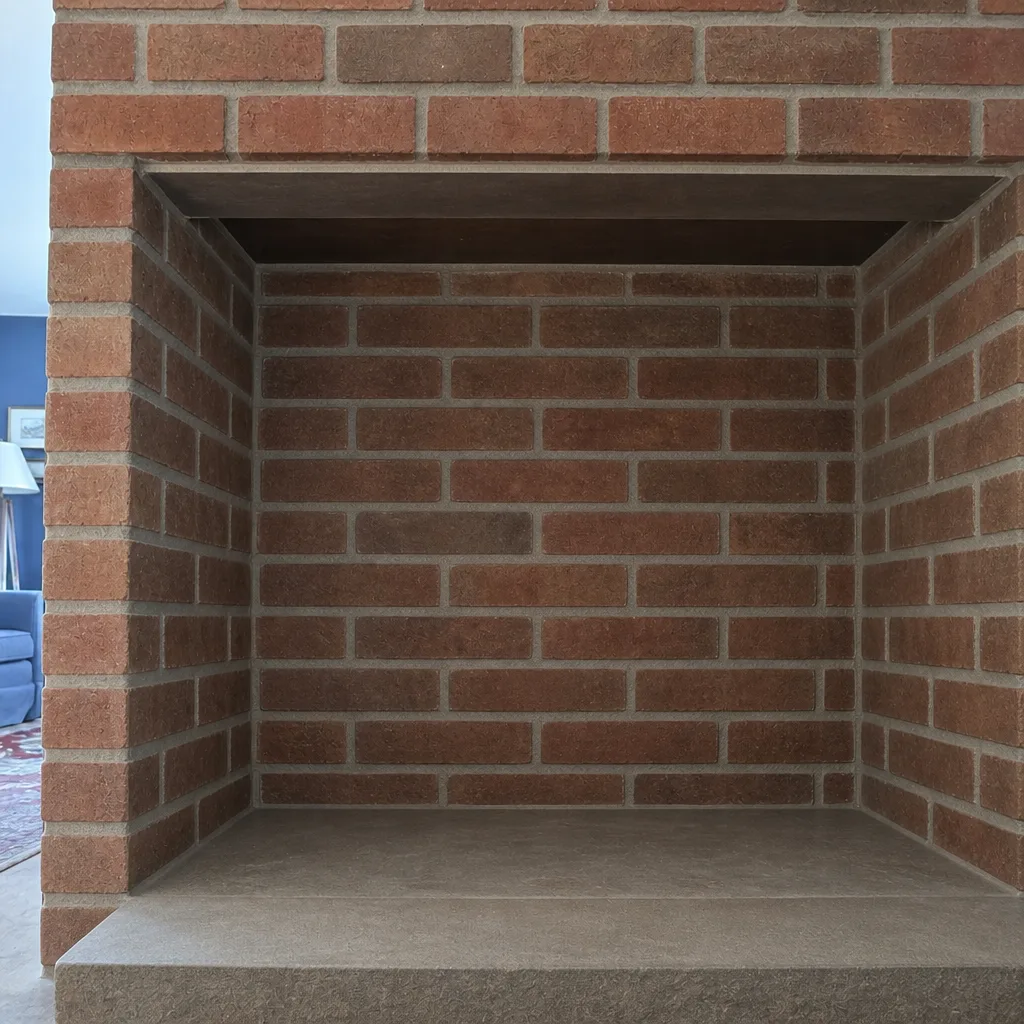 After
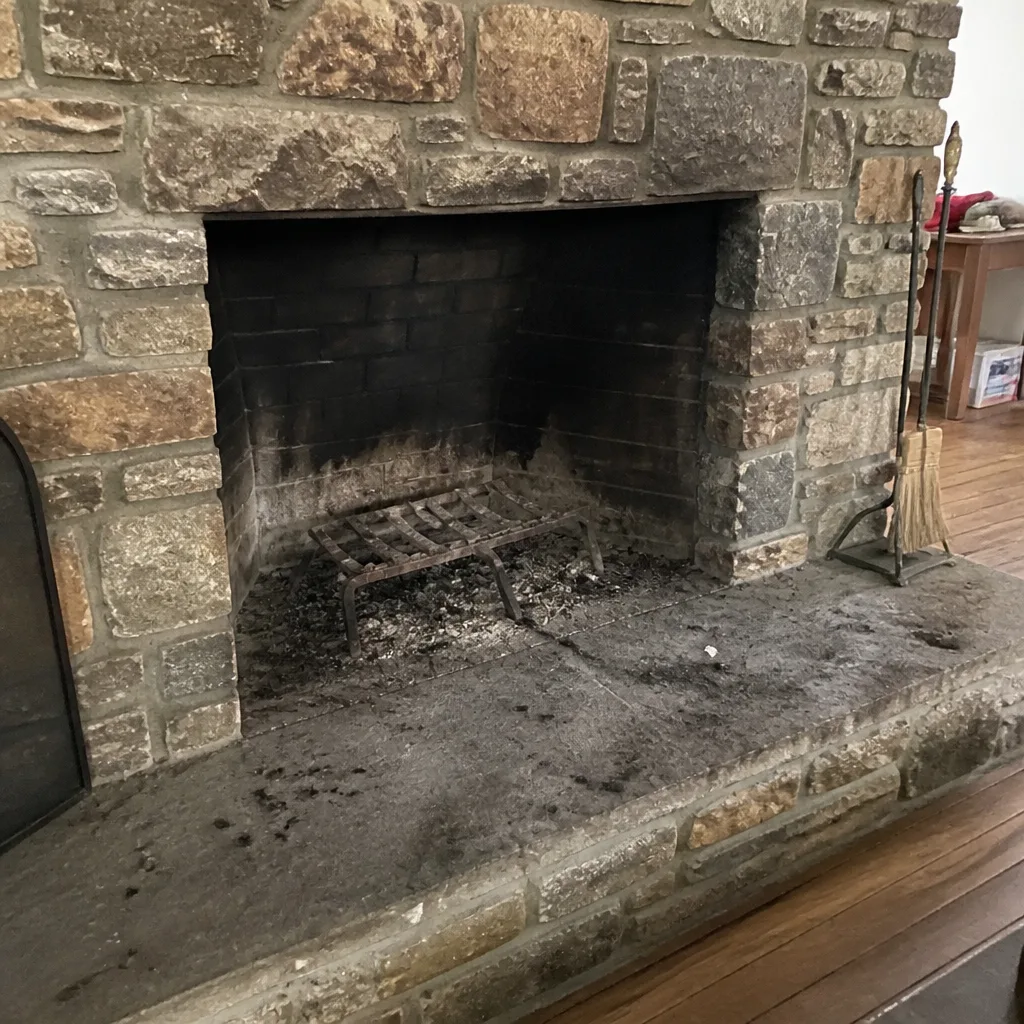 Before
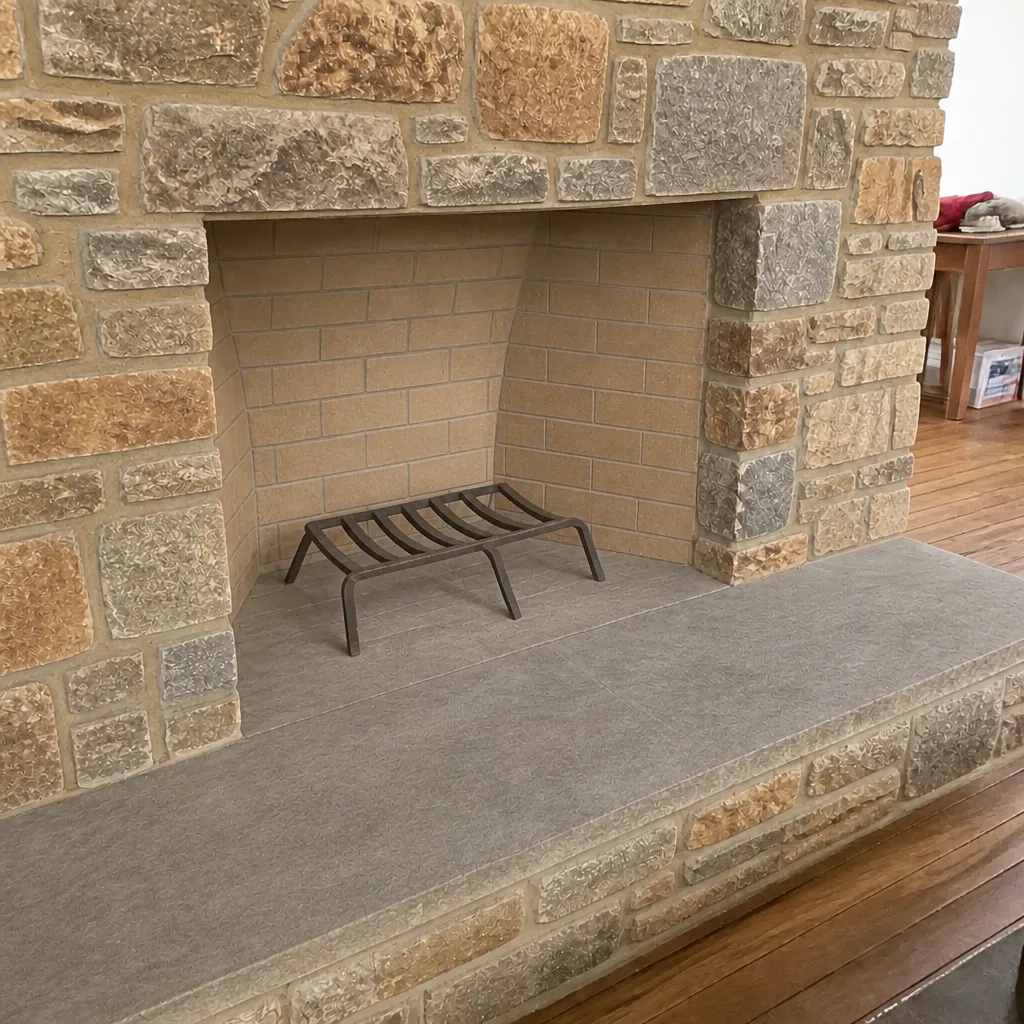 After
How Much Does Chimney Inspection Cost in Knoxville?
Here’s the honest answer to what most people want to know first. A typical Level 1 inspection in Knoxville runs roughly $100 to $180 when it’s paired with a sweep, and a standalone Level 2 inspection, with the camera run and documented report, generally runs $200 to $400. Flue-only inspection sits in the same range as a Level 2. A real estate inspection typically lands $200 to $350 depending on how detailed the report needs to be, and a Level 3 is priced per job once we know what construction would need to be opened. These are estimates, not quotes, and the written estimate sets the final price.
What moves the number: the number of flues, whether the chimney has multiple appliances venting into it, roof pitch and access, and whether the camera run turns up obstructions that need clearing before it can go further. How to avoid overpaying is simpler than it sounds. Ask for a written scope before anyone starts, make sure camera footage is included rather than an upcharge, and insist that any recommended repair comes with evidence from your own flue. A free estimate means you see the scope and the price before you commit.
Chimney Inspection Near Knoxville – Our Service Area
We schedule chimney inspections across the Knoxville area, including Powell and Halls to the north, Karns to the west, and Farragut along the western corridor. East of the city we serve Mascot, and we cover Clinton, Oliver Springs, Alcoa, Louisville, Seymour, and Eagleton Village as well. The nearest crews are scheduled into the next opening, so the further out you are, the more sense it makes to book ahead. For a closer look at how we handle inspections in those areas, see our chimney inspection and chimney inspection pages.
Serving Knoxville, TN – Our Local Coverage Area
We serve Knoxville and nearby communities. Use the map below to see the area we cover. If you’re nearby, we can almost certainly help.
Frequently Asked Questions – Chimney Inspection in Knoxville
A chimney inspection is a professional assessment of your chimney and venting system’s condition, done in levels that range from a visual check to a full camera run and, rarely, opening up construction. It looks at the firebox, damper, flue, cap, crown, and any accessible parts of the chimney structure. The point isn’t to sell you repairs; it’s to establish whether the chimney is safe to use and to catch small issues before they become structural ones. We document what we find with photos and video so you have a record, not just an opinion.
A Level 1 inspection usually takes about 30 to 45 minutes when it’s paired with a sweep. A Level 2 inspection with a full camera run and written report typically runs an hour to 90 minutes, depending on the number of flues and how much documentation your situation calls for. Real estate inspections can run a little longer because the report needs to hold up for both buyer and seller. We’ll give you a realistic time window when we book.
A Level 1 inspection typically runs $100 to $180 when paired with a sweep, and a Level 2 inspection generally runs $200 to $400 depending on flues and documentation. Real estate inspections typically land $200 to $350, and Level 3 is priced per job once we know what needs opening. The written estimate sets the final price, and estimates are free. Call (877) 792-6481 for an exact quote.
Yes. We inspect chimney systems with Olympia Chimney, Gelco, Famco, and Copperfield components, among other makes, and we know where those systems tend to show wear. When an inspection turns up a component that needs replacing, we reline and restore using the same professional-grade materials the industry specifies by name, so you’re not chasing a second contractor. Whether your chimney carries one of those names or none at all, we can inspect it and explain what we found.
Often, yes. We offer same-day appointments where the schedule allows, and an inspection can usually be arranged quickly when you call. We answer 24/7, and fast dispatch runs from 7am to 7pm, Sunday through Friday; we’re closed Saturday. A call outside dispatch hours is booked into the next opening.
The inspection itself is a documented assessment, and the written report is yours to keep whether or not you move forward with any repair. If the inspection leads to repair or relining work, we’ll put the scope and materials in writing before we start, so you know exactly what’s covered. We’ll walk you through what applies to your specific job at the estimate stage rather than making blanket promises on a web page.
Clear the hearth area and give us a path to the fireplace, and if you can, move anything breakable off the mantel and nearby furniture. Don’t burn anything for at least 24 hours before the appointment, since soot and creosote are easier to assess in a cool flue. Have a rough idea of your burning habits and any past smoke or draft issues, and make sure we can get to the roof access if there is one. That’s all you need to do.
Schedule Your Chimney Inspection Service in Knoxville Today
If it’s been more than a year, or you’ve inherited a chimney you don’t know the history of, a chimney inspection is the cheapest way to find out where you stand before burning season. We’ll show you the camera evidence, tell you plainly what can wait and what shouldn’t, and price the work in writing before anything begins. Call (877) 792-6481. We answer 24/7. Fast dispatch from 7am to 7pm, Sunday through Friday. Estimates are free and there’s no obligation.
Written by the team at Chimney Sweep Knoxville.