
Last updated November 25, 2026
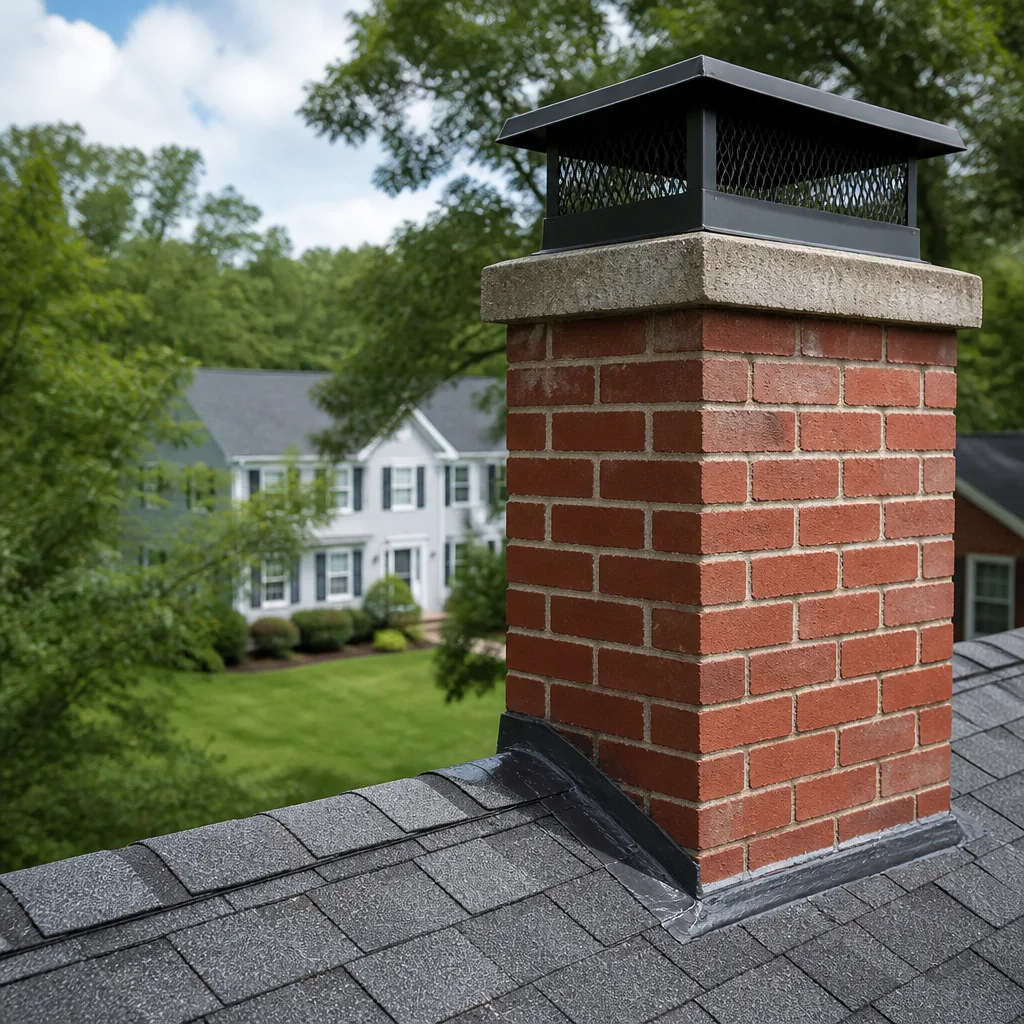 Sweep & inspection
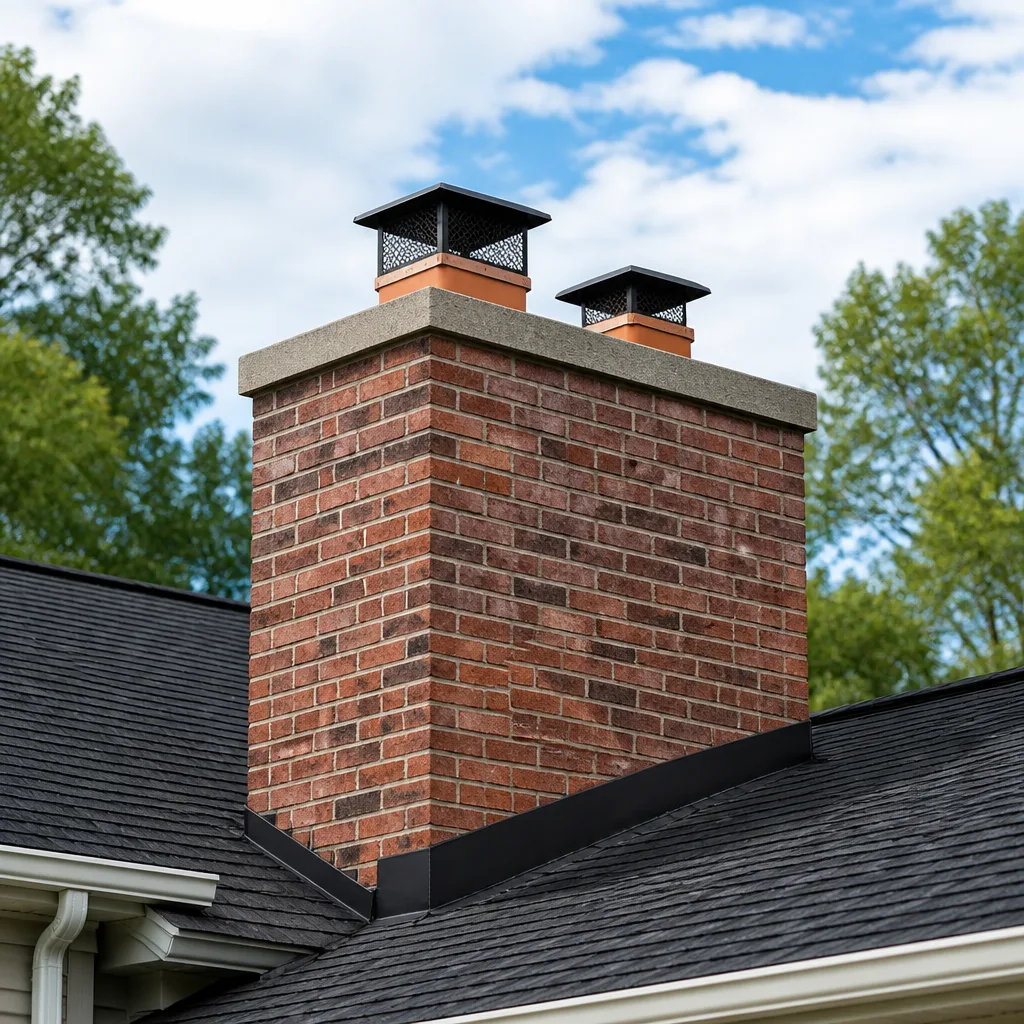 Caps & crowns
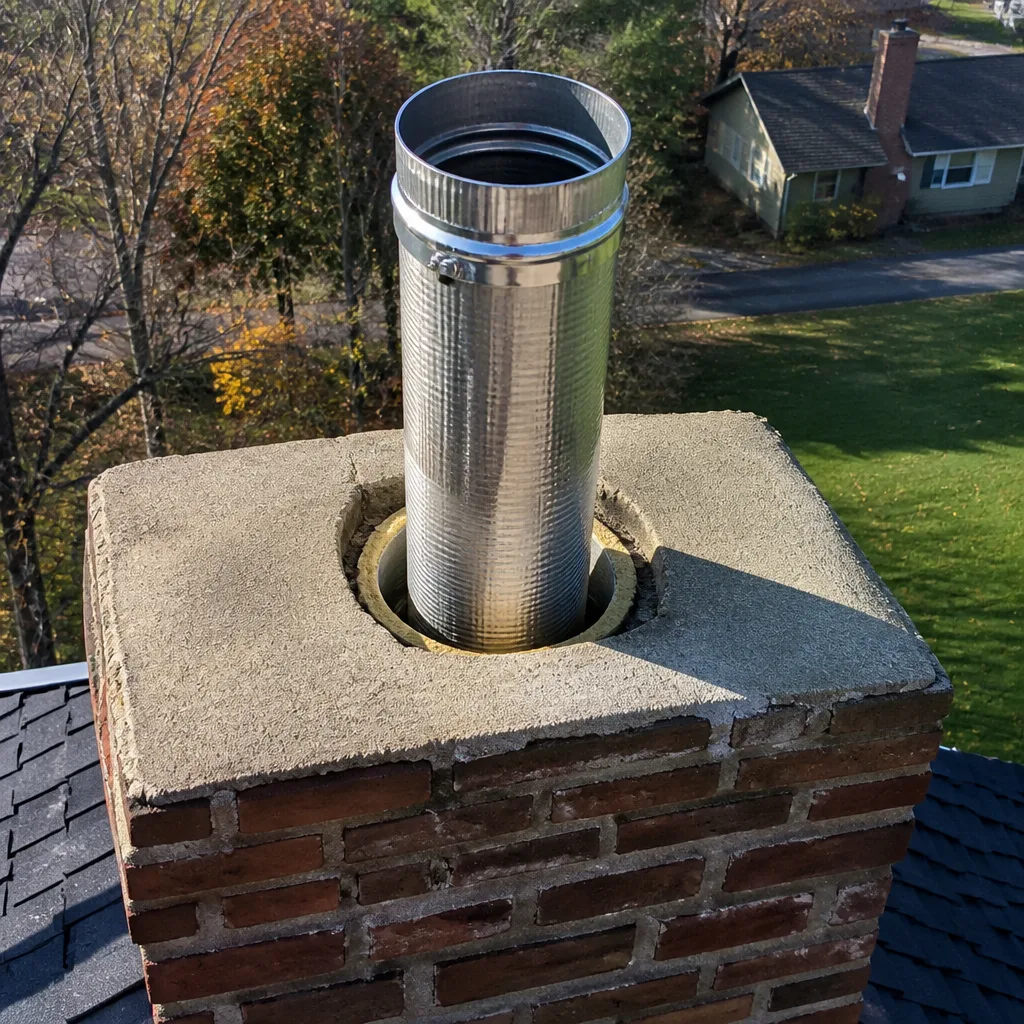 Flue relining
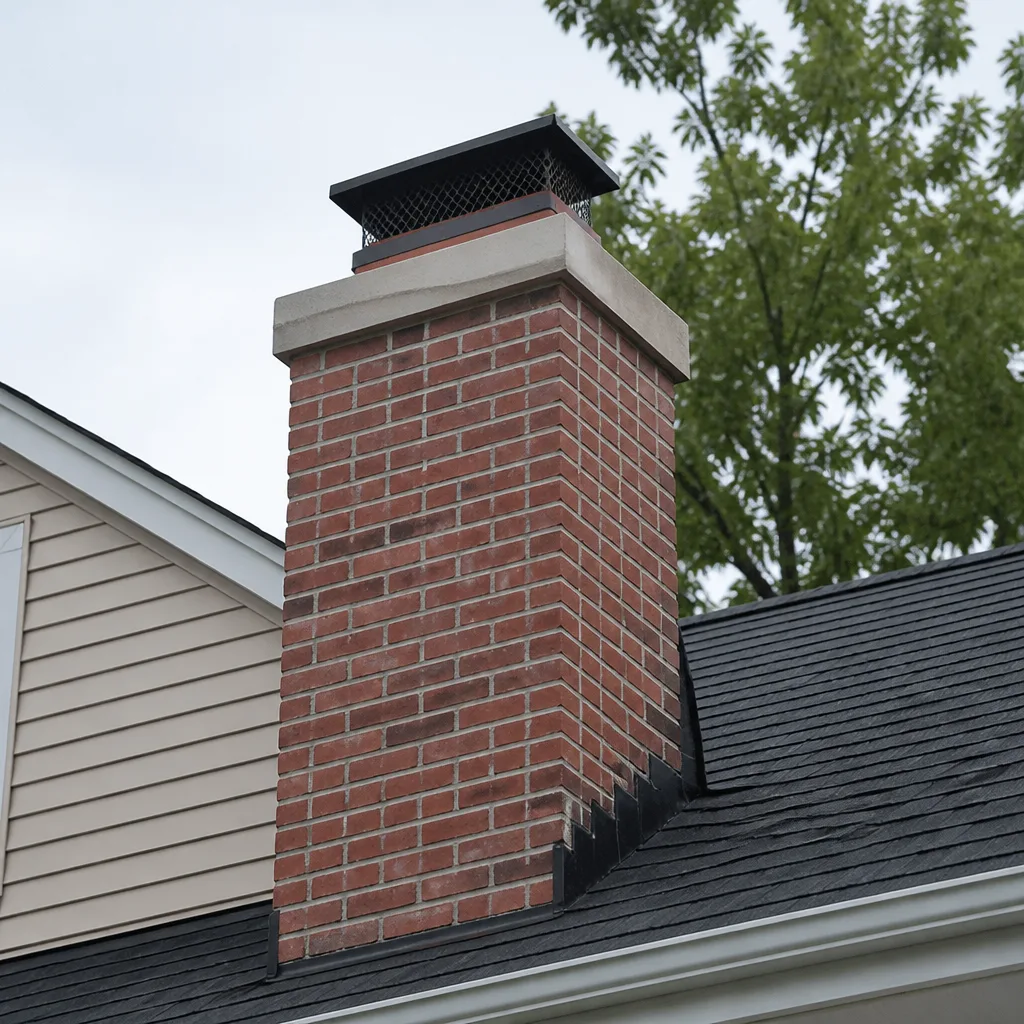 Masonry repair
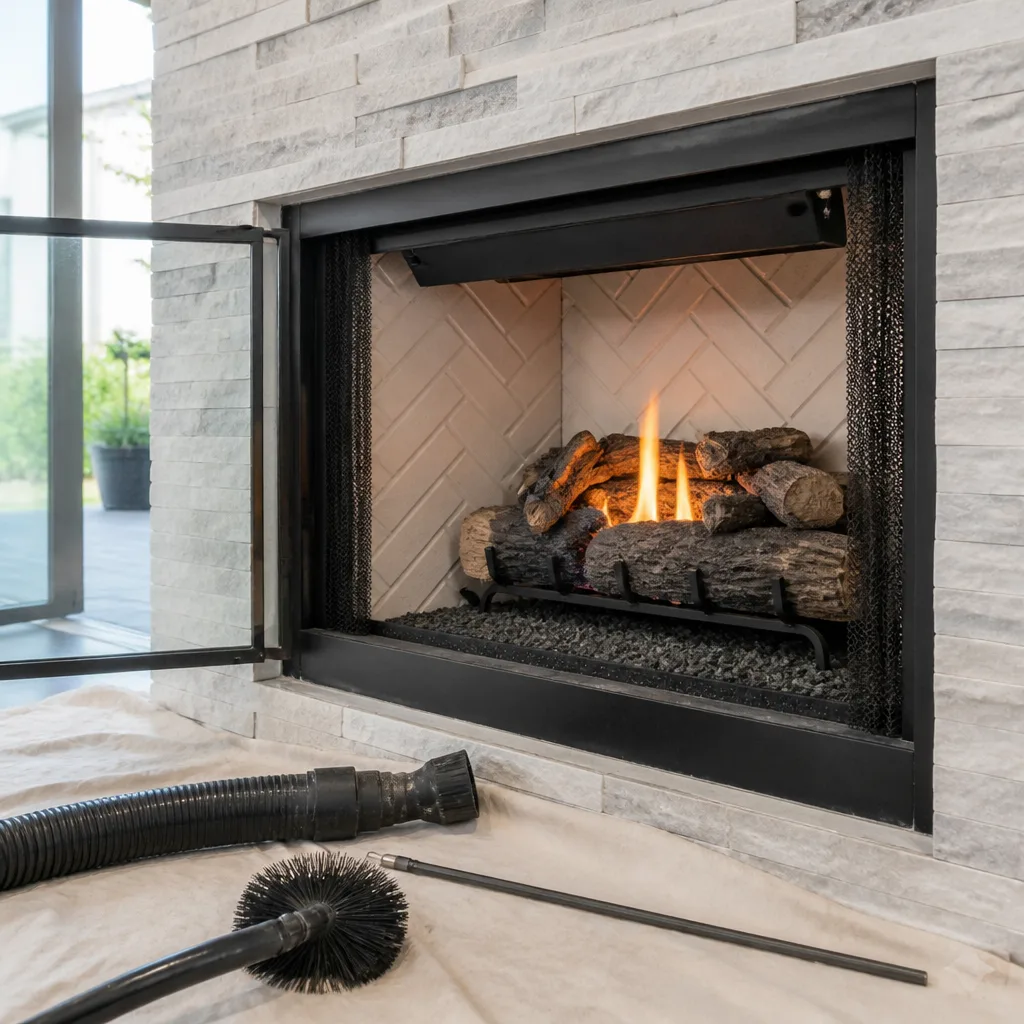 Gas fireplace service
Level 1 sweep and inspection to the NFPA 211 annual standard - flue, crown, cap, and flashing checked and photographed
Chimney sweep logs do not sweep chimneys. They loosen some creosote - which then falls where a brush and vacuum still have to collect it.
The Complete Guide to Chimney Cleaning in Knoxville
Most Knoxville chimneys that pass a visual inspection still have a hidden problem: glaze-stage creosote that a standard brush won’t touch and that a Level 1 inspection isn’t designed to catch. That’s the part nobody tells you when they say “get your chimney swept.” A sweep is not an oil change. It’s a diagnostic process, and in East Tennessee the diagnosis is shaped by clay-heavy soils that shift under freeze-thaw, humidity that swings hard between seasons, and mixed-fuel burning habits that leave very different deposits depending on what’s in your firebox. This guide maps every layer of that process, from creosote chemistry to inspection levels to why your flue might need a liner restoration instead of a cleaning. By the end, you’ll know exactly what a Knoxville chimney needs and why.
Styles & brands we work with
- Sweep & inspection
- Caps & crowns
- Flue relining
- Masonry repair
- Gas fireplace service
Quick Answer
Chimney cleaning in Knoxville means removing creosote, soot and blockages from the flue, then inspecting the entire system for the damage that East Tennessee’s freeze-thaw cycle and humidity cause. Most homes need a sweep once a year when the fireplace is used regularly, but the real work is the inspection that follows: a Level 2 camera inspection catches cracked mortar joints, failing liners and glaze-stage creosote that a brush and a flashlight miss entirely. Cleaning without that inspection is half the job.
Table of Contents
- Why Chimney Cleaning in Knoxville Is a Diagnostic Process
- The Freeze-Thaw Cycle and Your Chimney’s Mortar
- The Three Stages of Creosote and Why Stage Two Changes Everything
- Level 1 vs. Level 2 Inspections: Which One Do You Actually Need?
- How East Tennessee Wood Species Affect Your Cleaning Schedule
- Rotary Sweeping vs. Hand Brushing: When Each Is Right
- What a Complete Chimney Sweep Actually Includes
- How Often Should You Schedule a Chimney Sweep in Knoxville?
- Common Mistakes to Avoid
- When to Call a Professional
- Frequently Asked Questions
- The Bottom Line
Why Chimney Cleaning in Knoxville Is a Diagnostic Process
A chimney sweep removes what’s there. A diagnostic chimney cleaning tells you what’s happening to the whole system and why. In Knoxville, those are different jobs, and confusing them is how homeowners end up paying for a cleaning that solves nothing and missing a liner problem that gets worse every winter.
Here’s the difference in practice. A basic sweep runs a brush up the flue and vacuums out the debris. A diagnostic cleaning starts with an assessment: how much creosote, at what stage, in what distribution. Is the deposit soft and flaky, or hard, glazed and bonded to the flue wall? Is it concentrated near the top, which points to a cold flue and draft problems, or spread evenly, which points to burning habits? Does the smoke chamber have a shelf of soot the brush can’t reach? Are there cracks in the mortar crown that let water run behind the flue tile?
- What’s burning: the fuel determines the creosote profile
- How it’s burning: air supply, dampers, and whether the fire gets hot enough to burn clean
- What the flue is made of: clay tile, a factory-built system, or an older unlined chimney
- What the weather has done: freeze-thaw damage, water intrusion, and storm impact
- What the last sweep missed: the hidden deposits and hairline cracks that only appear under camera inspection
We use the same materials chimney professionals specify by name, including Famco components and Copperfield liner systems, because the diagnosis is only useful if the fix uses parts that last. From the annual sweep to a full liner restoration, it’s one call, one accountable company. That continuity matters most in a city where the housing stock ranges from century-old masonry chimneys near downtown to newer factory-built systems out west, and the diagnosis is never the same twice.
The Freeze-Thaw Cycle and Your Chimney’s Mortar
East Tennessee’s freeze-thaw cycle is the single biggest driver of chimney deterioration in Knoxville, and it’s the reason a sweep without a liner check misses half the picture. Water gets into masonry, freezes overnight, expands, and pushes the mortar apart a little more each time. Repeat that across a Knoxville winter and the damage compounds quietly.
The mechanism is simple. Brick and mortar are porous. A chimney cap that’s missing or cracked lets rain straight into the flue. A crown with a hairline crack lets water wick into the masonry from the top down. Once moisture is inside, a hard freeze turns it to ice, which takes up more space than liquid water. The mortar joint widens. The tile liner cracks. Next thaw, more water gets in. Do that for a few seasons and you have a chimney with structural problems that no brush will ever fix.
Knoxville sits on clay-heavy soils, which makes the problem worse at the base. Clay holds water and swells when it freezes, and that movement can shift a chimney footing and open cracks at the smoke chamber and flue base. You won’t see any of this from the firebox with a flashlight.
What the freeze-thaw cycle actually does to a Knoxville chimney over time:
- Water enters through a missing cap, a cracked crown, or failed flashing at the roofline
- Masonry absorbs it into brick, mortar joints and the clay tile liner
- Freezing expands it and opens hairline cracks into real gaps
- Thawing drains it and the cycle repeats with more exposure each time
- Liner joints separate and let heat and gases reach combustible framing
- Mortar crumbles at the crown and smoke chamber, and the chimney starts to lean or spall
A Level 2 camera inspection is the only way to see this happening before it becomes a rebuild. That’s why our sweeps include camera inspection and a photo report: you see the cracked joint or the separated liner section yourself, on the screen, before anyone recommends a repair. A cap and crown in good condition is the cheapest protection against all of it, which is why we treat chimney cap & crown work as part of the maintenance conversation, not an upsell.
The Three Stages of Creosote and Why Stage Two Changes Everything
Creosote comes in three stages, and only the first one responds to a standard brush. Stage two, glazed creosote, is bonded to the flue wall and needs chemical treatment before brushing, not instead of it. This is the deposit that turns a routine Knoxville sweep into a multi-step job, and it’s the one most homeowners don’t know exists.
Stage 1: Soot and Soft Flaky Creosote
This is what most people picture when they think of chimney cleaning. It’s a light, dusty, flaky deposit that builds up on the flue walls and in the smoke chamber. A brush removes it cleanly. If your chimney is swept every year and you burn dry, well-seasoned wood with good air supply, you’ll mostly see stage one, and the cleaning is straightforward.
Stage 2: Glazed, Hardened Creosote
Stage two is where the chemistry matters. When a fire burns cool or smolders, or when the wood is wet, the creosote vaporizes and then condenses on the cooler flue walls as a sticky film. That film hardens into a shiny, glazed shell that a brush will skip right over. Brushing a glazed flue just polishes it. The deposit has to be broken down chemically first, then removed with the right tool, then brushed. Stage two is a fire hazard because it’s concentrated fuel bonded to the flue wall, and it’s exactly what a Level 1 inspection isn’t designed to catch.
Stage 3: Puffed, Concentrated Creosote
Stage three is heavily concentrated, often puffed or honeycombed, and it’s the most dangerous. At this point the flue is a fuel-lined tube, and the deposit can ignite. Stage three usually means the flue has been running cool for a long time, often from an undersized flue, a poorly sealed damper, or burning wet wood season after season. It may also mean the liner is already compromised underneath. This is a professional-only situation, and the fix is often relining, not just cleaning.
If a sweep finds stage two or three in your Knoxville chimney, the conversation should shift from “when’s the next cleaning” to “what does the flue need to be safe again.” We’ll tell you exactly what we found and exactly what it means before any work begins. When relining is the answer, DuraFlex flexible liner systems and Copperfield rigid systems cover a wide range of chimney architectures, including the offset and angled flues common in older Knoxville homes.
Level 1 vs. Level 2 Inspections: Which One Do You Actually Need?
A Level 1 inspection is a visual check of accessible parts of the chimney with the standard tools of the trade. A Level 2 inspection adds a camera scan of the flue interior and is required for a home sale, after a chimney fire, after storm damage, or when a new appliance is connected. Knowing which one applies to your situation saves you money and, more importantly, catches problems the other level misses.
What a Level 1 Inspection Covers
- Readily accessible portions of the firebox, damper, smoke chamber and flue from the firebox and from the roof
- Condition of the cap, crown, flashing and exterior masonry
- Visible creosote buildup and obvious blockages
- Basic verification that the system is intact and safe for continued use
Level 1 is the right call for a routine annual sweep when the system hasn’t changed, nothing has happened, and everything visible looks normal.
What a Level 2 Inspection Covers
- Everything in a Level 1, plus a video camera scan of the full flue interior
- Hidden cracks in clay tile, separated liner joints, gaps in mortar
- Flue sizing for the appliance, and whether the liner is appropriate for what’s being burned
- The smoke chamber and its shape, which is a common source of hidden deposits
- Documentation, often with photos or video, which matters for a real estate transaction
Which Knoxville Scenarios Require Which
- Annual maintenance, system unchanged: Level 1 is usually enough, paired with the sweep
- Selling or buying a home: Level 2, and get the report in writing for the transaction
- After storm damage or a lightning strike: Level 2, because impact and water damage hide inside the flue
- New fireplace insert, stove or appliance: Level 2, because the flue sizing and liner compatibility have to be checked against the new appliance
- After a chimney fire, even a small one: Level 2, always, because a fire can crack the liner without any visible exterior sign
- Persistent draft or smoke problems: Level 2, to see what a visual check can’t
In our experience, the Knoxville homes that end up needing emergency work are almost always the ones where a Level 2 was never done. A visual check looks fine. The camera finds the crack. That’s the whole argument for doing it right the first time. If you’re scheduling a sweep, schedule the inspection that matches your situation and know which is which before you book. You can start with chimney sweep service and ask for the inspection level in the same conversation.
How East Tennessee Wood Species Affect Your Cleaning Schedule
The wood you burn in Knoxville changes the creosote profile in your flue, and it changes how often you need a sweep. Oak, hickory and pine each burn differently, and one of them is much harder on your chimney than the other two.
Oak
Oak is the go-to hardwood in East Tennessee and burns hot and long once it’s properly seasoned. That heat is good for the flue because a hot fire burns off creosote-forming gases before they condense. The catch is moisture. Oak holds water and needs a long drying period, often a year or more depending on how it’s stacked and stored. Wet oak is one of the fastest routes to stage two creosote. Burn it dry, and it’s one of the cleanest fuels you can use.
Hickory
Hickory is dense and burns hot, and it’s a favorite for serious fireplace users in Knoxville. Hot, dry hickory keeps the flue warm and reduces creosote condensation. It also produces strong, sustained heat, which means you need a liner rated for the temperatures involved. If you burn hickory and notice the fire getting very hot, that’s a reason to make sure your flue is properly inspected, not a reason to worry.
Pine and Softwoods
Pine is the wood that gives softwood burning its reputation, and the reputation is partly deserved, partly not. Dry pine burns hot and fast and actually creates less creosote than wet hardwood because the heat clears the flue. Wet pine, or a smoldering fire built from it, is where the trouble comes in. The sticky, resinous sap contributes to fast creosote buildup if the fire is starved for air. Many Knoxville homeowners burn pine as kindling or for quick warm-ups, and that’s fine. It’s long, cool, smoldering pine fires that coat the flue.
The practical takeaway: burn dry wood, burn it hot enough that the fire has good air supply, and get a sweep annually if you burn regularly. If you’re burning a mix and not sure what’s seasoned, ask us to check the flue at the end of the season and we’ll tell you what the wood did to it. That’s more useful than guessing from the woodpile.
Rotary Sweeping vs. Hand Brushing: When Each Is Right
Rotary sweeping uses a spinning brush on a flexible rod to scour the flue walls, while hand brushing uses a stiff brush on rods turned by hand. Rotary is better at removing stubborn, glazed and hardened deposits; hand brushing is right for light, soft creosote and for flues where a spinning brush could damage delicate surfaces. Knowing which one your chimney needs is part of the diagnosis, not a preference.
When Hand Brushing Is Appropriate
- The deposit is stage one, soft and flaky
- The flue is a standard clay tile run with no offsets or damage
- The sweep is routine maintenance on a chimney that’s been cleaned regularly
- The flue lining is delicate and a rotary brush would be too aggressive
When Rotary Sweeping Is the Right Tool
- Glazed stage two creosote is present and has been treated chemically
- The flue has deep pitting or rough surfaces where deposits lock in
- The flue is large and the brush needs mechanical force to reach the walls evenly
- There’s a heavy load from a long gap between cleanings
Rotary sweeping is a controlled process, not a power tool run wild against the liner. The technician matches the brush to the flue type and the deposit stage. Get it wrong and a rotary brush can scuff a clay tile or dislodge a joint that was already weak. Get it right and it removes what a hand brush can’t touch. This is one reason a proper sweep needs to happen after the inspection, not before. When a sweep finds stage two creosote and a compromised liner underneath, the fix often moves into repair territory, and that’s where our chimney sweep and repair scope under one roof keeps the diagnosis and the fix in the same set of hands.
What a Complete Chimney Sweep Actually Includes
A complete chimney sweep in Knoxville includes the firebox, damper, smoke chamber, flue and cap inspection, a full interior cleaning with drop cloths and a HEPA vacuum, a camera scan, and a written report with photos. A sweep that only runs a brush up the flue and leaves without a report is not a complete job.
Here’s what the process actually looks like, step by step:
- Set up and protect the home: drop cloths and a HEPA vacuum at the firebox so soot and dust stay contained
- Assess the firebox and damper: check the damper operation, firebox mortar and smoke chamber shape before anything moves
- Sweep the flue: hand brush or rotary, matched to the deposit stage and flue type
- Clear the smoke chamber: remove the soot shelf that a flue brush alone doesn’t reach
- Inspect the cap and crown: look for cracks, gaps and water entry points at the top of the chimney
- Run the camera: scan the full flue interior and record what it shows
- Vacuum and clean the work area: leave the home as clean as it was found
- Walk you through the findings: show the photos, explain what was found and what it means, and recommend only what the evidence supports
That last step is the part that matters most, and it’s where a lot of homeowners get burned by the contractor who finds “urgent” work every visit. Nothing is recommended without camera evidence you can see for yourself, and we’ll tell you plainly when work can safely wait. Cleaned means the system is clean and documented. We handle the diagnosis and the repair in the same visit when repairs are needed, using the same professional-grade materials professionals specify, which is how fireplace repair and sweeping stay connected instead of split across two contractors.
How Often Should You Schedule a Chimney Sweep in Knoxville?
Most Knoxville homes that burn regularly need a chimney sweep once a year, and homes that burn heavily or burn unseasoned wood may need one every season. The honest answer is that frequency should follow what the flue is accumulating, not a calendar, and that’s why the sweep-and-inspect combination matters.
The variables that push you toward annual or more frequent cleaning:
- How much you burn: a fire a few times a week in winter is different from a fire most nights
- What you burn: dry hardwood is clean; wet wood, green wood and smoldering softwood are not
- How the fire runs: a hot fire with good air supply produces less creosote than a starved one
- What the flue is: older unlined or clay-tile chimneys accumulate faster than a properly sized liner
- What the weather does: Knoxville’s humidity and freeze-thaw swings work on the masonry between sweeps
A simple rule to work from: get the sweep at the end of the heating season or just before the next one, get it inspected every year, and get the Level 2 camera scan in any year where the system changed, the chimney took storm damage, or the home changes hands. If the sweep finds stage two creosote, don’t wait for next year. That’s a this-season job. For anyone starting the process, Chimney Sweep Knoxville is a good place to begin the conversation and get on a schedule that follows the flue instead of the calendar.
Common Mistakes to Avoid
- Treating a sweep like an oil change. A brush up the flue doesn’t tell you whether the liner is intact. Without a camera scan, you’re paying for a cleaning that can’t detect the problems most likely to matter in a Knoxville chimney: cracked tile, separated joints and glazed creosote.
- Skipping the liner check. In East Tennessee’s freeze-thaw cycle, a liner can crack while the chimney looks fine from the outside. A sweep without a liner check misses half the picture.
- Burning wet or green wood. Seasoned wood is the single biggest thing you control. Wet oak or wet pine smolders, condenses creosote on the flue wall, and turns a routine cleaning into a glazed-flue job.
- Brushing over glazed creosote. Stage two creosote has to be chemically treated before it’s removed. Brushing a glazed flue just polishes it and leaves the fuel hazard in place.
- Ignoring the cap and crown. A missing cap or cracked crown is how water gets in and starts the freeze-thaw damage. It’s the cheapest preventive maintenance on the whole system, and the most commonly skipped.
- Chasing the lowest price. A cheap sweep that skips the camera scan and the report is the most expensive kind, because it can miss the problem that ends up costing thousands later. A fair price for a sweep with inspection and documentation is the better value.
- Putting it off “until the holidays.” The time to clean and inspect a Knoxville chimney is before the burning season, not after the first cold snap. If you’re already burning, book the sweep now and know where you stand.
When to Call a Professional
Call a professional before the heating season if you’ve burned last season and haven’t had the flue inspected since. Call if you’ve noticed a strong, oily, smoky smell when the fireplace isn’t in use, if smoke rolls back into the room when you light a fire, if the damper doesn’t open or close cleanly, or if you’ve had a chimney fire, even a small one. These are all things a homeowner can’t diagnose by looking up the flue with a flashlight, and each one points to a specific set of problems that need eyes and a camera. The same applies after any storm that drops limbs or drives water against the chimney, and after a new insert or stove is connected, because the flue has to be checked against the new appliance. If any of that sounds like your winter, don’t wait for a problem to announce itself.
Chimney Sweep Knoxville offers free estimates in Knoxville, and we’ll tell you exactly what we found and what it means before any work begins. Call (877) 792-6481. We answer 24/7. Fast dispatch from 7am to 7pm, Sunday through Friday.
Frequently Asked Questions
A standard chimney sweep in Knoxville typically runs between $150 and $350, with the exact price set per job by a written estimate. A Level 2 camera inspection and any liner or repair work add to that, depending on what the camera finds. The estimate is free and the written estimate sets the final price. Call (877) 792-6481 for an exact quote – estimates are free.
You need a Level 2 inspection in specific situations: buying or selling a home, after a chimney fire, after storm damage, or when a new appliance is connected. For a routine annual sweep on an unchanged system, a Level 1 is often enough. If you’re not sure which applies, ask when you book, and we’ll match the inspection to the situation. Call (877) 792-6481 – estimates are free.
Once a year for most homes that burn regularly, and every season for homes that burn heavily or burn unseasoned wood. If a sweep finds stage two glazed creosote, the flue needs treatment and a follow-up sooner than the annual schedule. Call (877) 792-6481 to schedule a sweep and get the flue on a schedule that follows what it actually accumulates.
Creosote keeps building in stages, and glaze-stage deposits become a fire hazard bonded to the flue wall. Meanwhile, water entering through a missing cap or cracked crown keeps working the masonry through Knoxville’s freeze-thaw cycle, and small cracks become structural problems. Skipping a cleaning doesn’t pause the damage; it lets it compound. Call (877) 792-6481 for a free estimate.
Same-day cleaning is often possible when the schedule allows, and we’ll tell you the next available opening when you call. We answer 24/7, and dispatch runs from 7am to 7pm, Sunday through Friday. A call outside dispatch hours is booked into the next opening. Call (877) 792-6481 to get on the schedule.
A sweep removes the creosote and soot. A full inspection evaluates the whole system, and a Level 2 adds a camera scan of the flue interior to find cracks, separated joints and hidden creosote the eye can’t reach. The best value is both in one visit, so the cleaning and the diagnosis come from the same set of findings. Call (877) 792-6481 – we’ll walk you through what we found, with photos.
The Bottom Line
Chimney cleaning in Knoxville is a diagnostic process, not a chore. The creosote stage, the condition of your liner, the wood you burn and East Tennessee’s freeze-thaw cycle all determine what your flue needs, and a brush alone can’t answer those questions. The single biggest step a homeowner can take is pairing the sweep with an inspection matched to the situation, then acting on what the camera shows. Most of the expensive problems we see start as small ones that were never looked at. Get the sweep, get the inspection, get the photos, and make the call before burning season instead of after it.
Call Chimney Sweep Knoxville at (877) 792-6481 for a free estimate. We answer 24/7. Fast dispatch from 7am to 7pm, Sunday through Friday. From the annual sweep to liner restoration, caps and crowns to structure repair, it’s one call and one accountable company using the same professional-grade materials chimney professionals specify by name.
Written by the team at Chimney Sweep Knoxville.
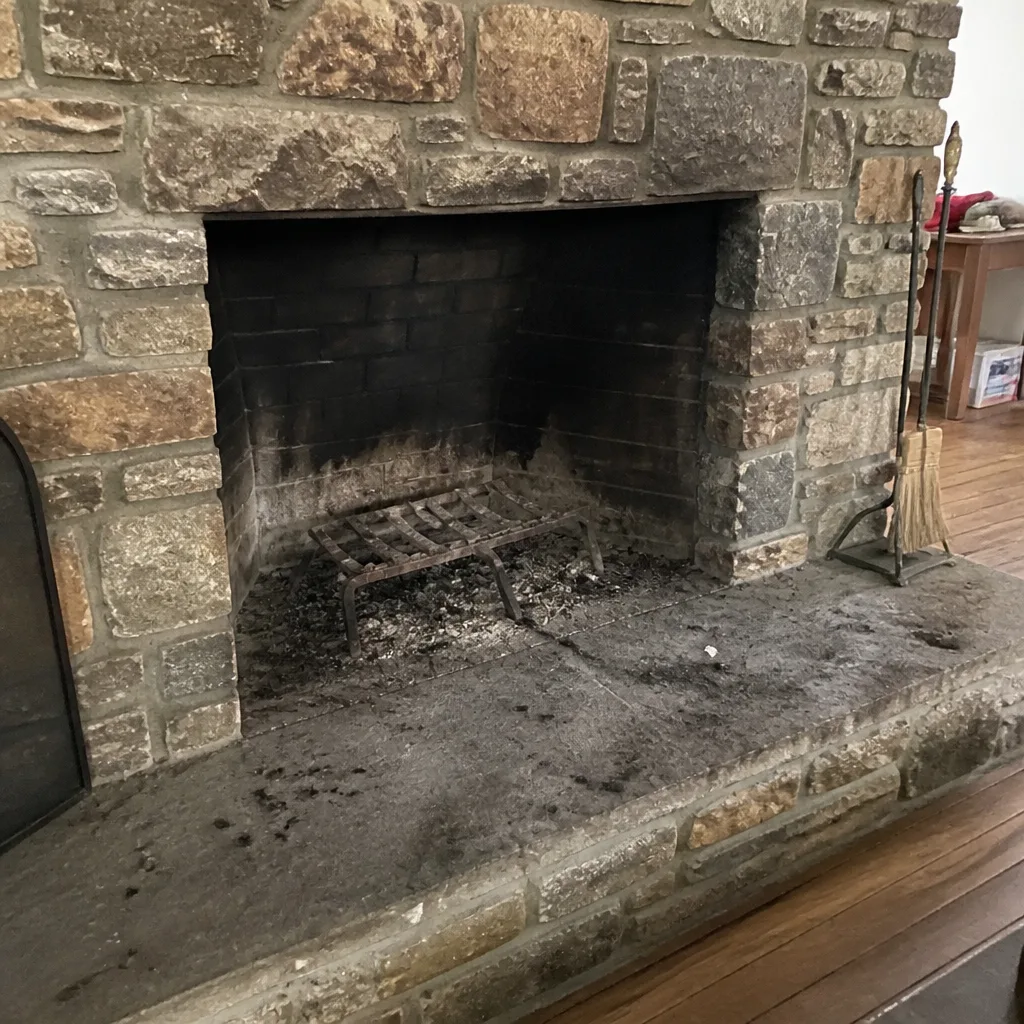
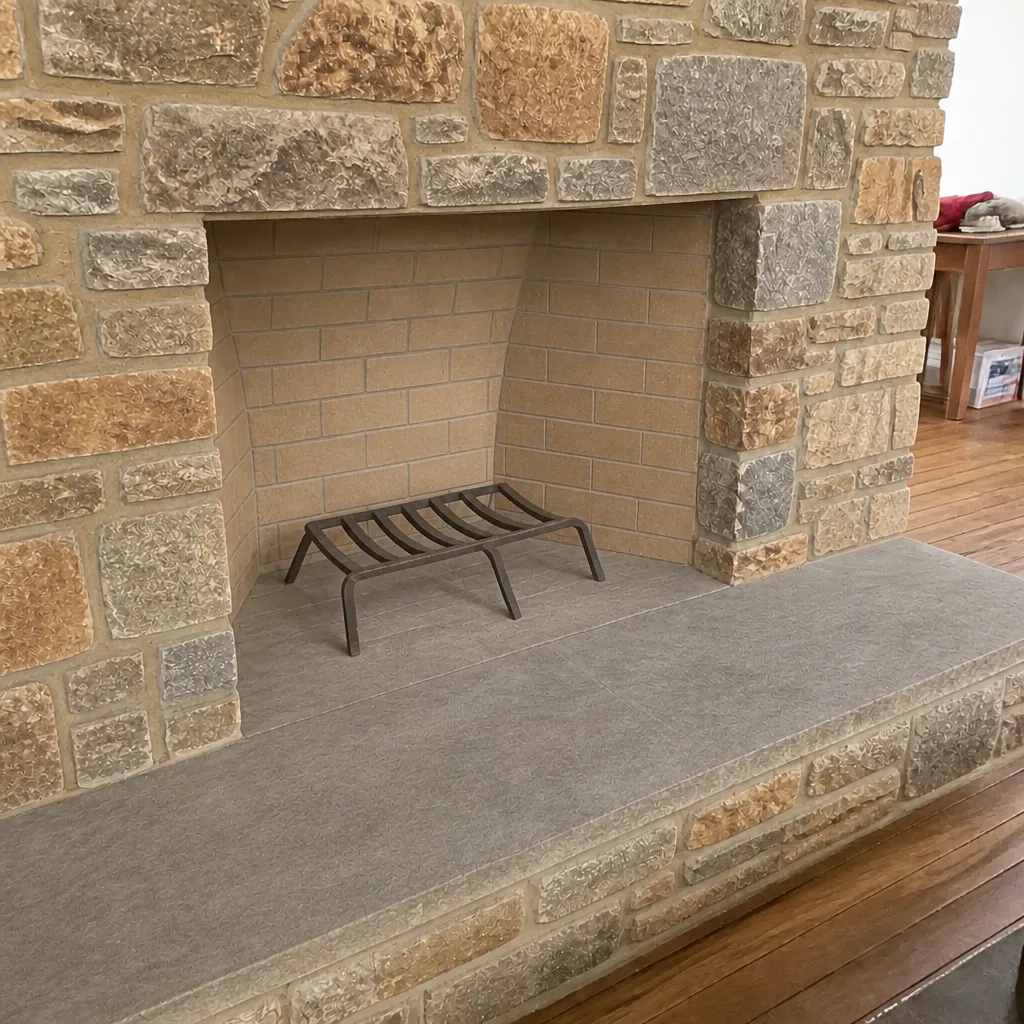
See the difference
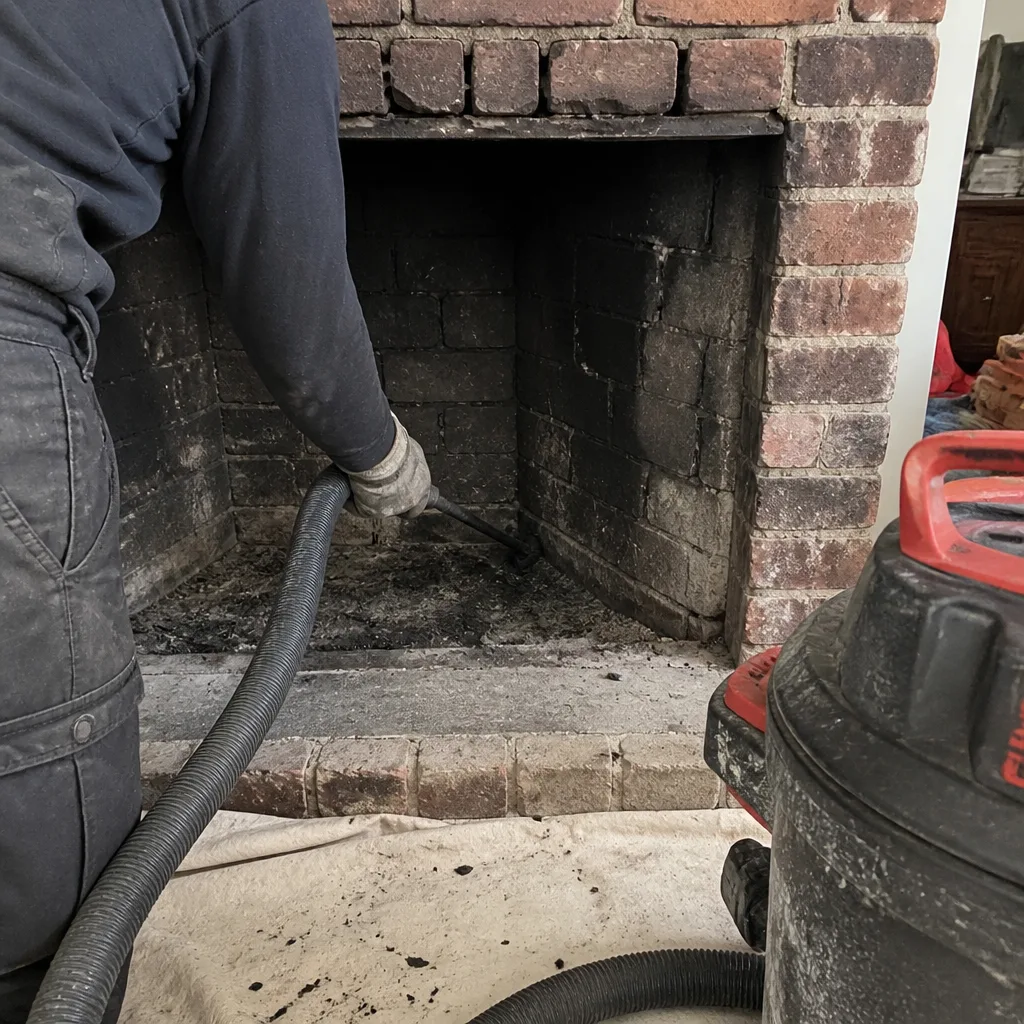 Before
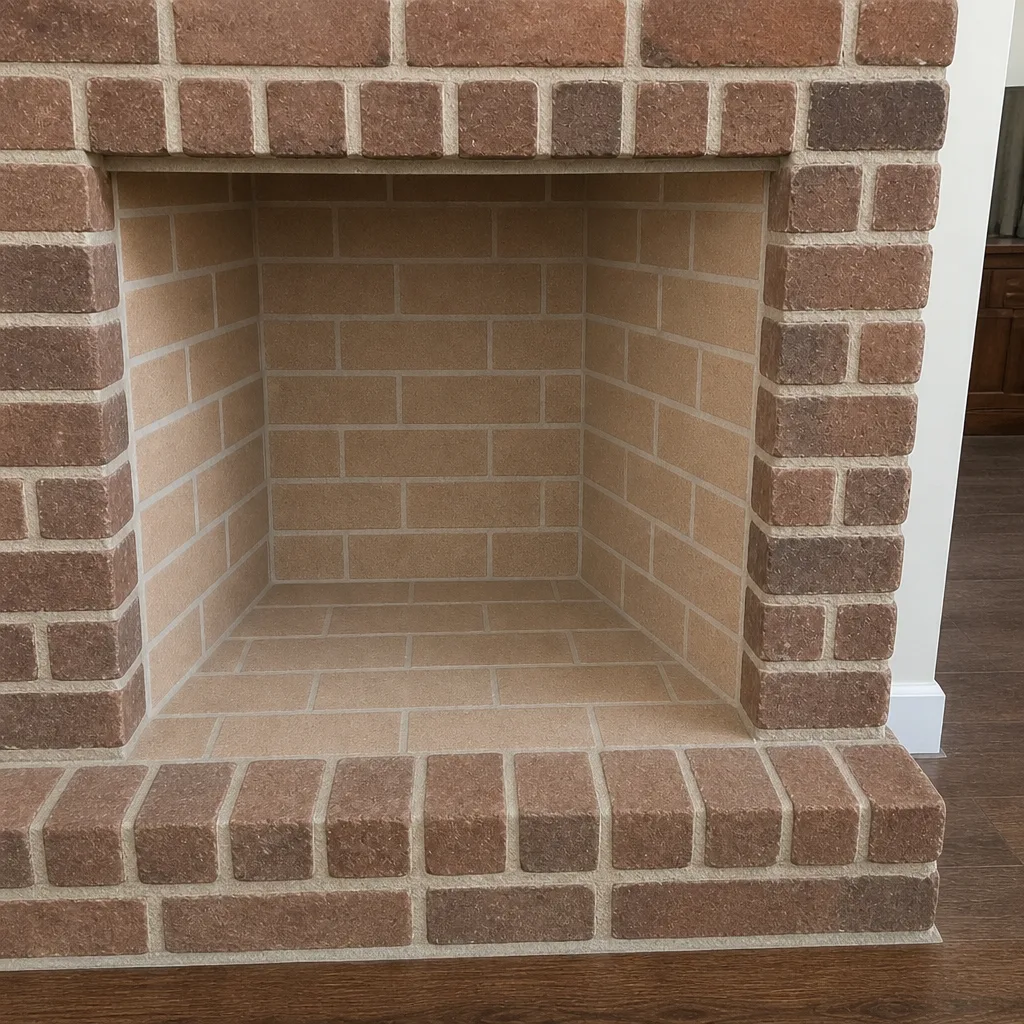 After
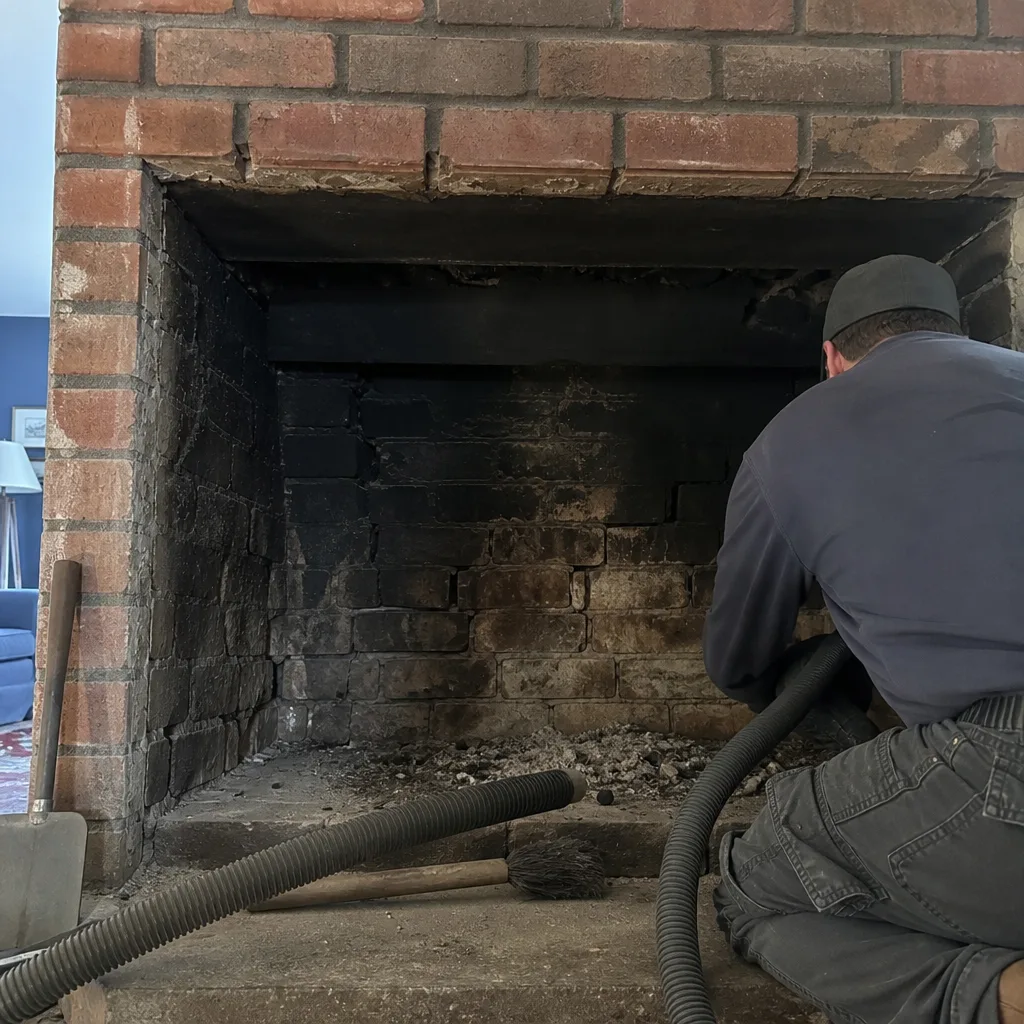 Before
 After
 Before
 After