

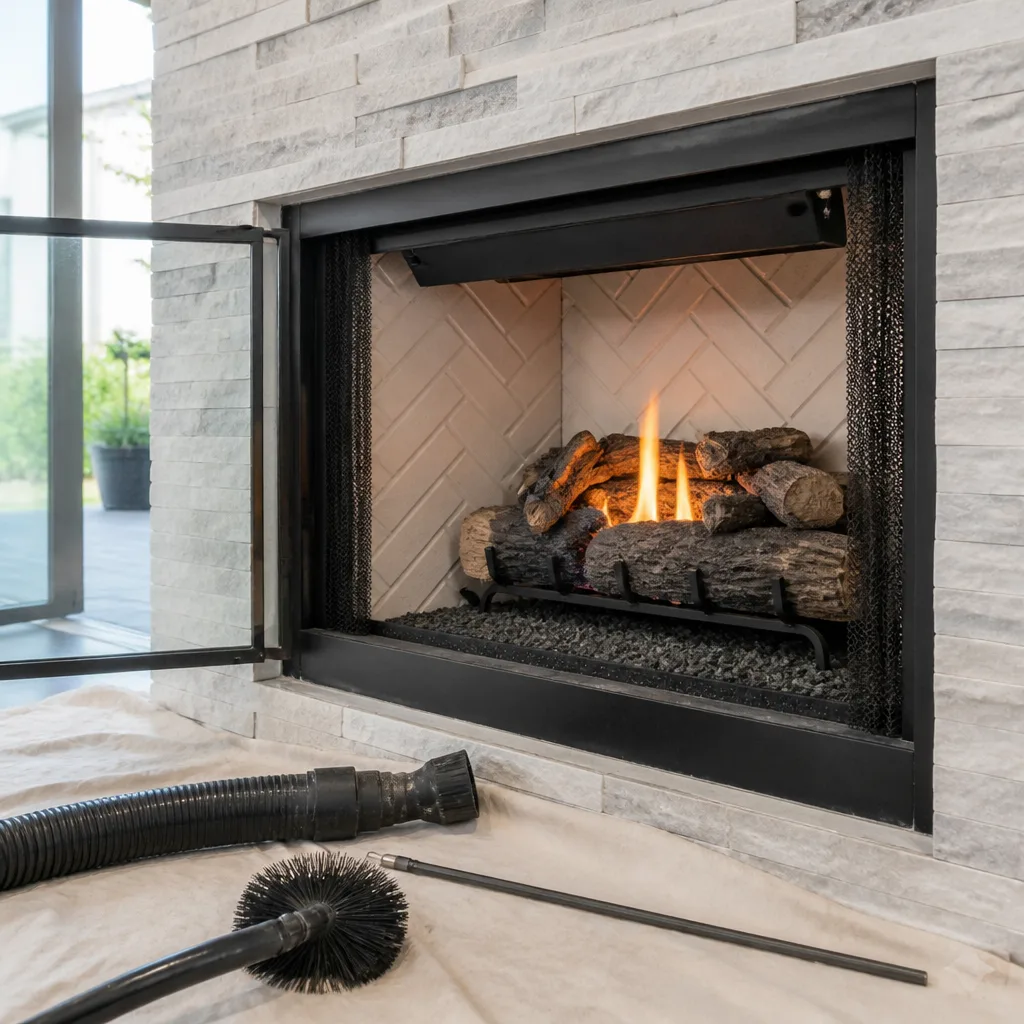
 Gas fireplace service
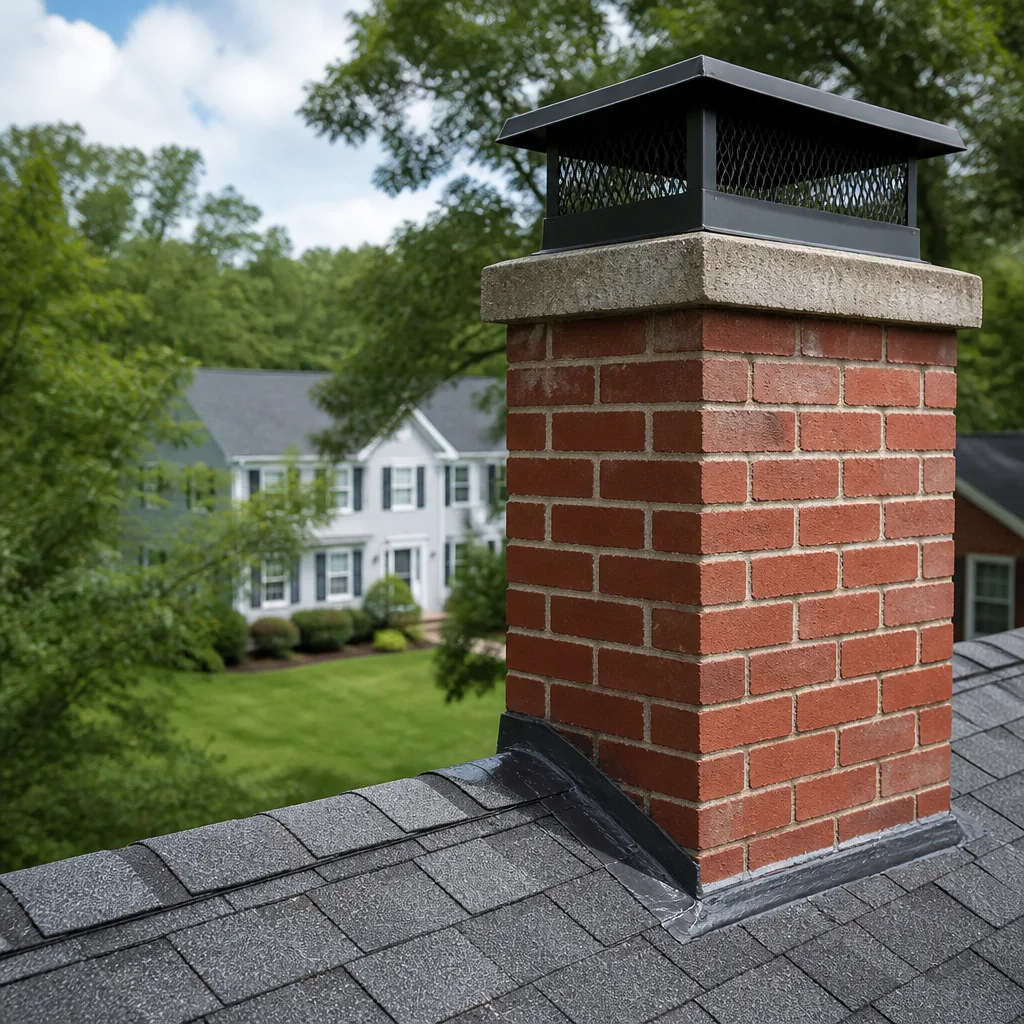 Sweep & inspection
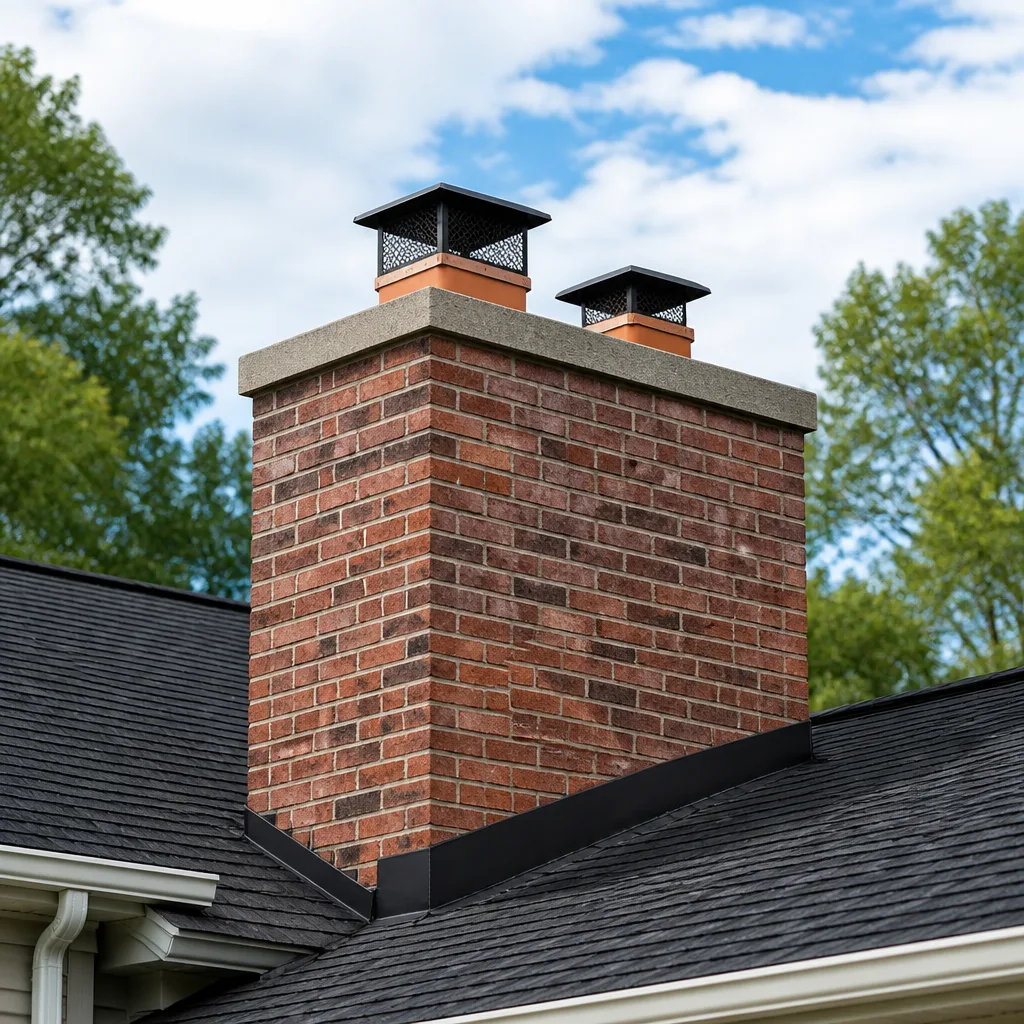 Caps & crowns
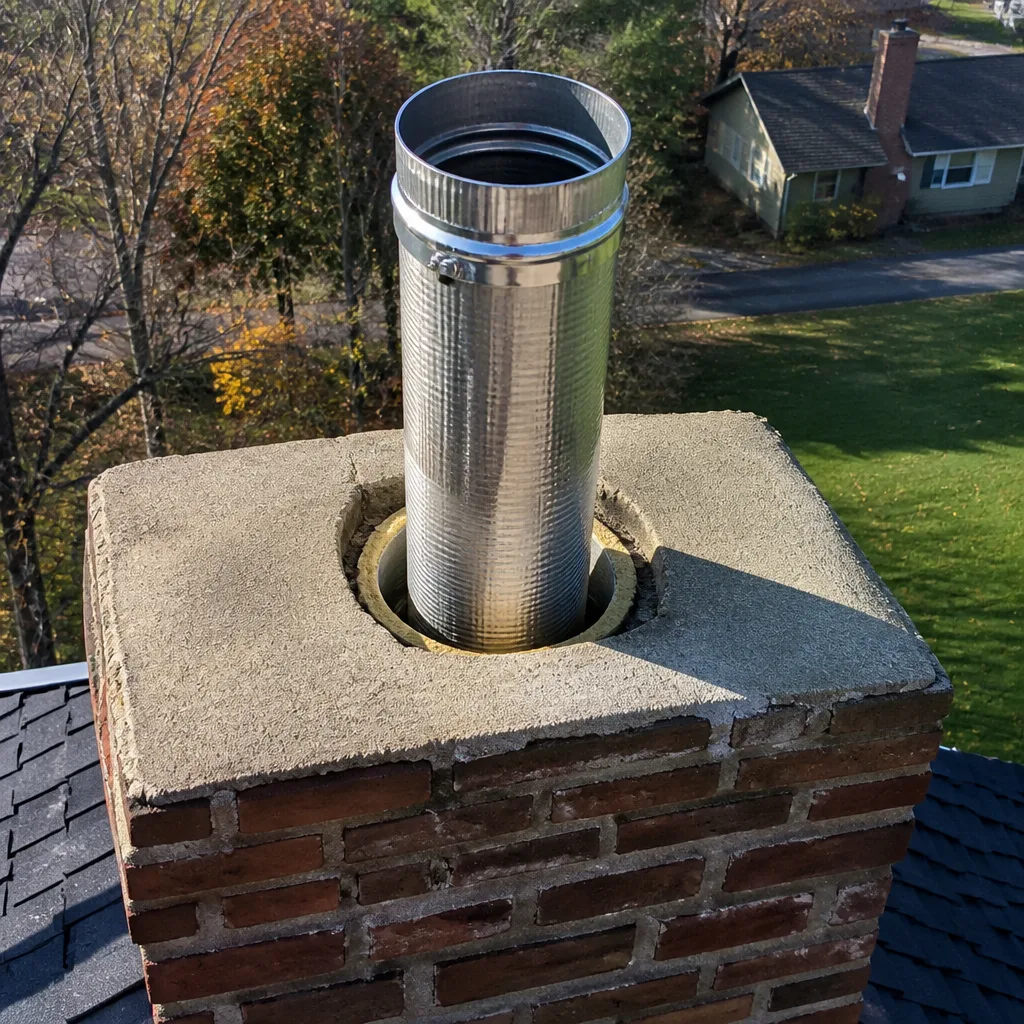 Flue relining
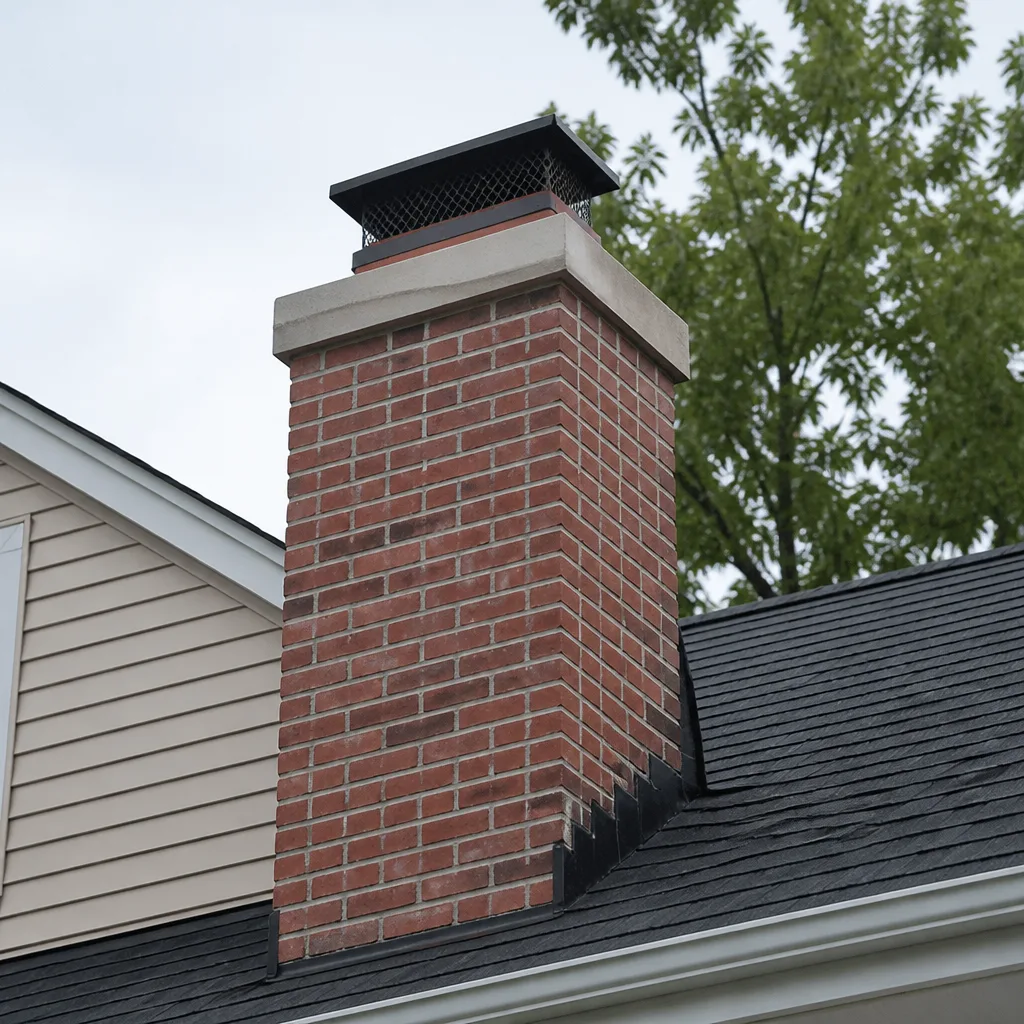 Masonry repair
Level 1 sweep and inspection to the NFPA 211 annual standard - flue, crown, cap, and flashing checked and photographed
Chimney sweep logs do not sweep chimneys. They loosen some creosote - which then falls where a brush and vacuum still have to collect it.
Why Knoxville Homeowners Choose HeatShield Chimney Cleaning
We provide independent HeatShield chimney cleaning and repair service in Knoxville, including the flue and firebox resurfacing work that restores a failing masonry chimney without a full rebuild. HeatShield isn’t a fireplace brand: it’s a repair method, a castable refractory system applied over a wire-lath armature to rebuild a damaged firebox face or resurface a clay-tile flue from the inside. What sets our work apart is that we treat it as a method with limits. We’ll tell you when resurfacing is the right fix and when it’s cosmetic work over a structural problem that needs a rebuild or a stainless reline.
That matters in Knoxville, where the housing stock includes a large concentration of pre-1950 Arts and Crafts bungalows in neighborhoods like Old North Knoxville, Fourth and Gill, and Sequoyah Hills. Many of those original masonry chimneys have clay-tile liners built for wood or coal, and quite a few were originally coal-burning with multiple flues that are now unlined or badly deteriorated. HeatShield work on a chimney like that takes a technician who understands historic construction, not just modern prefab systems.
We’re an independent HeatShield service provider. Chimney Sweep Knoxville is not affiliated with, authorized by, or a dealer for HeatShield. We repair, install and service HeatShield systems with quality parts that fit them, and we say so plainly. Call (877) 792-6481 for a free estimate.
Why Trust Chimney Sweep Knoxville for Your HeatShield Chimney Cleaning?
Our technicians have up to 9 years of experience, and a good share of that work involves reading HeatShield installations rather than selling them. A HeatShield system lives or dies on preparation: brick ground back to bare masonry, the substrate dry, the material fully cured before the first fire. A shop that treats resurfacing as a quick cosmetic job will hand you a firebox that spalls within a season. We know what a properly cast surface looks like and what the early signs of a bad one look like, and we inspect for both before we quote anything.
Parts matter just as much. HeatShield repairs are system-specific: the castable refractory, the bonding agents and the stainless relining components should come from HeatShield or a distributor authorized to supply them. Mixing brands undermines the cure and departs from the manufacturer’s installation method, which is exactly the kind of shortcut that voids warranties. We don’t carry OEM parts and we don’t claim to. What we do is source components that fit the system correctly and install them the way the method calls for.
One company handles the diagnosis and the repair. If a Level 2 inspection turns up a creosote-glazed flue alongside a spalled firebox, you’re not handed to a second contractor to deal with the liner while somebody else handles the firebox. The same accountable company does both.
Styles & brands we work with
- Sweep & inspection
- Caps & crowns
- Flue relining
- Masonry repair
- Gas fireplace service
Common HeatShield Chimney Cleaning Problems We Fix in Knoxville
HeatShield failures usually trace back to preparation or curing, not the material itself. These are the patterns we run into most often around Knoxville.
- Resurfaced firebox delaminating or spalling. This happens when the original brick wasn’t cleaned to bare masonry before the refractory was cast, or when the brick was damp at the time. The material bonds to what’s underneath it, and soot, old mortar or moisture will not hold. You’ll see flakes lifting at the edges or patches dropping off the firebox face. Fixing it means stripping the failed layer back and starting from clean, dry brick.
- Hairline cracking from firing too soon. A HeatShield firebox surface needs to cure fully before it sees fire. When the first fire comes too soon after installation, the material dries unevenly and cracks in fine lines. Some hairline checking is normal; cracks that open wider or run through to the brick behind are not, and they need to be looked at before another fire is lit.
- Flue liner resurfacing failing at the transitions. Cast-in-place flue resurfacing is most likely to fail where the new material meets the original tile at the top of the flue or the appliance connector at the bottom. Those joints move differently than the middle of the run. A gap or crumble at either end lets gases escape past the liner, which is a real safety concern rather than a cosmetic one.
- Crown coating cracking over a bad crown. A HeatShield crown coating is only as good as what’s under it. If the original crown wasn’t properly sloped to shed water, or the expansion joint was skipped, the coating cracks and water gets in. In Knoxville’s humid climate and abundant rainfall, a crown that doesn’t drain is a moisture problem waiting to happen, and freeze-thaw cycles in a cold snap will widen those cracks.
- Resurfacing chosen when a rebuild or reline was the honest answer. When firebox walls are cracked through, or the flue tile is displaced, a resurfacing job is a cosmetic layer over a structural problem. It may look fine for a season or two, but it doesn’t restore the chimney’s integrity. This is the failure we most often get called to correct, and it’s the one worth catching before the work is done rather than after.
HeatShield Parts & Our Repair-vs-Replace Approach
HeatShield work isn’t a place to substitute parts. The castable refractory, bonding agents and stainless relining components need to come from HeatShield or a distributor authorized to supply them, because the cure and the installation method depend on the system matching itself. We source what fits the equipment correctly. We don’t stock OEM or genuine HeatShield parts and we don’t present ourselves as a HeatShield dealer.
The repair-or-replace call comes down to what’s behind the damage. If the firebox brick is structurally sound and only the face is spalled, resurfacing is usually the right call: it restores the surface, protects the brick, and costs far less than a rebuild. If the firebox walls are cracked through, or the flue tile is displaced or missing, resurfacing is cosmetic over a structural problem. The honest answer there is a rebuild or a stainless reline, and we’ll say so and show you the inspection evidence that led us there.
Have a firebox that’s flaking or a liner you’re not sure about? Call (877) 792-6481 for a free estimate.
Our HeatShield Service Process – Step by Step
- 1
Diagnosis. We start with a Level 2 inspection to establish what’s actually wrong: firebox face condition, brick structure behind it, smoke chamber, and the flue tile from top to bottom. Creosote removal comes first where the flue is glazed, because a dirty flue hides the liner condition and can’t be resurfaced over.
- 2
Repair or install. For a firebox resurfacing, the brick is ground back to bare masonry and the castable refractory is applied over a wire-lath armature. For flue resurfacing, the cast-in-place material goes in from the top, and we watch the top and bottom transitions closely since that’s where these jobs tend to fail. Where the liner is too far gone for resurfacing, we install a stainless relining system instead.
- 3
Test and cure check. We confirm the surface is sound, the transitions are sealed, and the crown, if we coated it, sheds water the way it should. We walk you through the cure timeline so the first fire doesn’t come too soon, which is the single most common cause of hairline cracking.
- 4
Warranty and documentation. You get the inspection findings, what was done and with what materials, so the work is documented for your own records and for the manufacturer’s warranty terms. If the system carries a warranty, we make sure the installation method protects it rather than voids it.
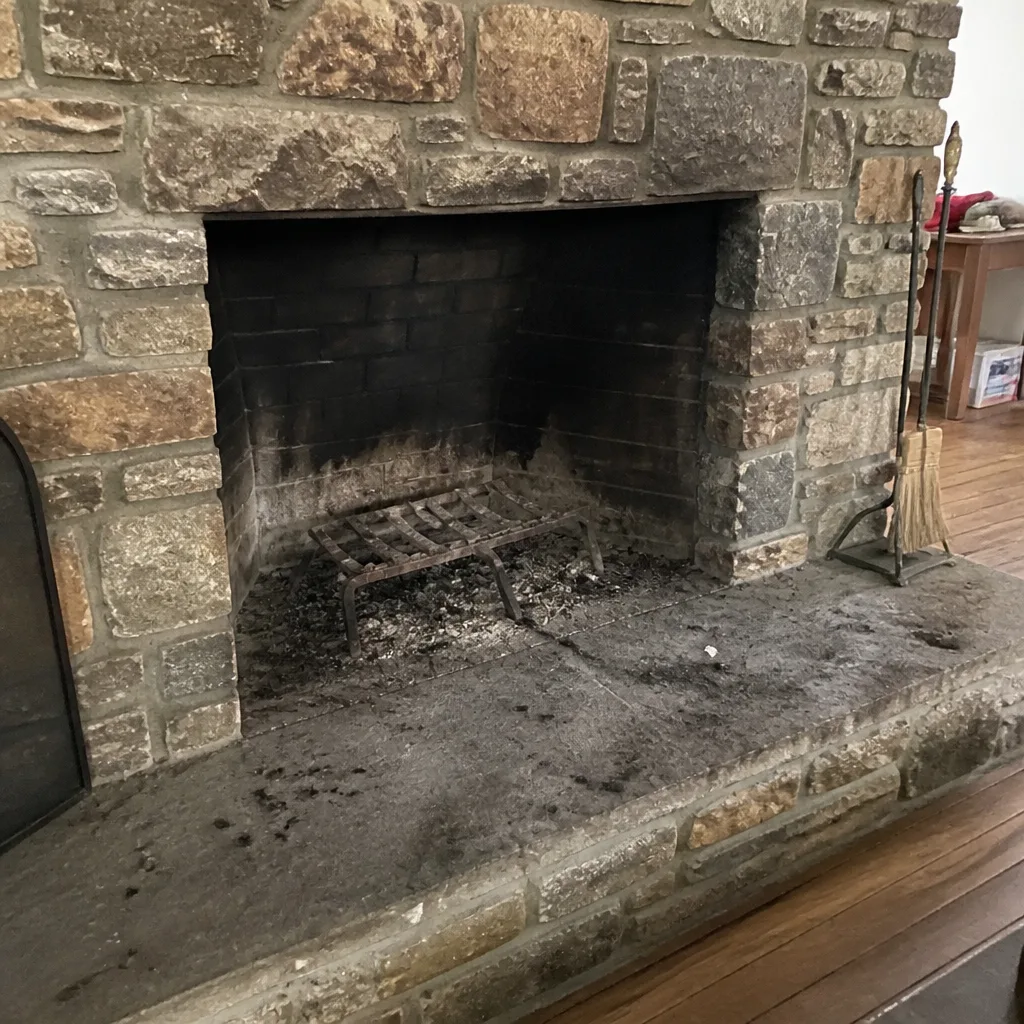
See the difference
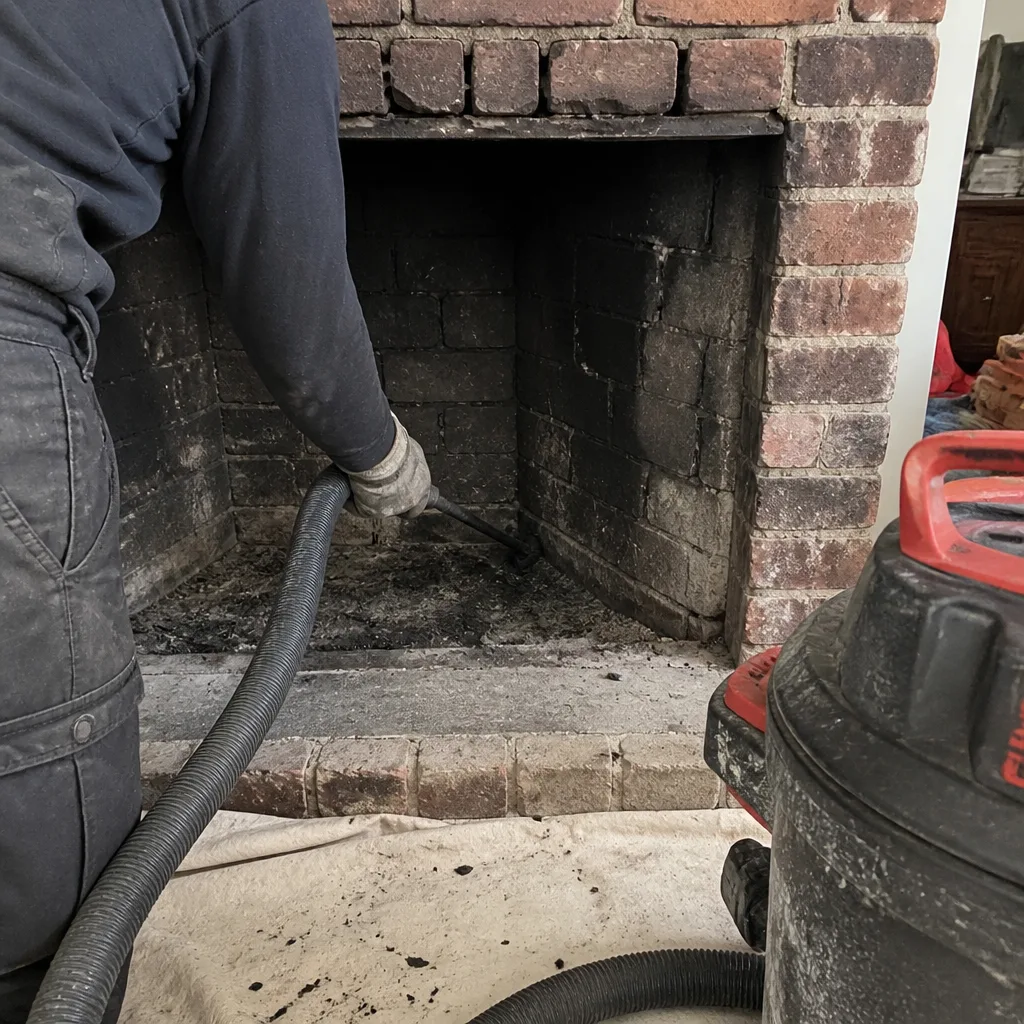 Before
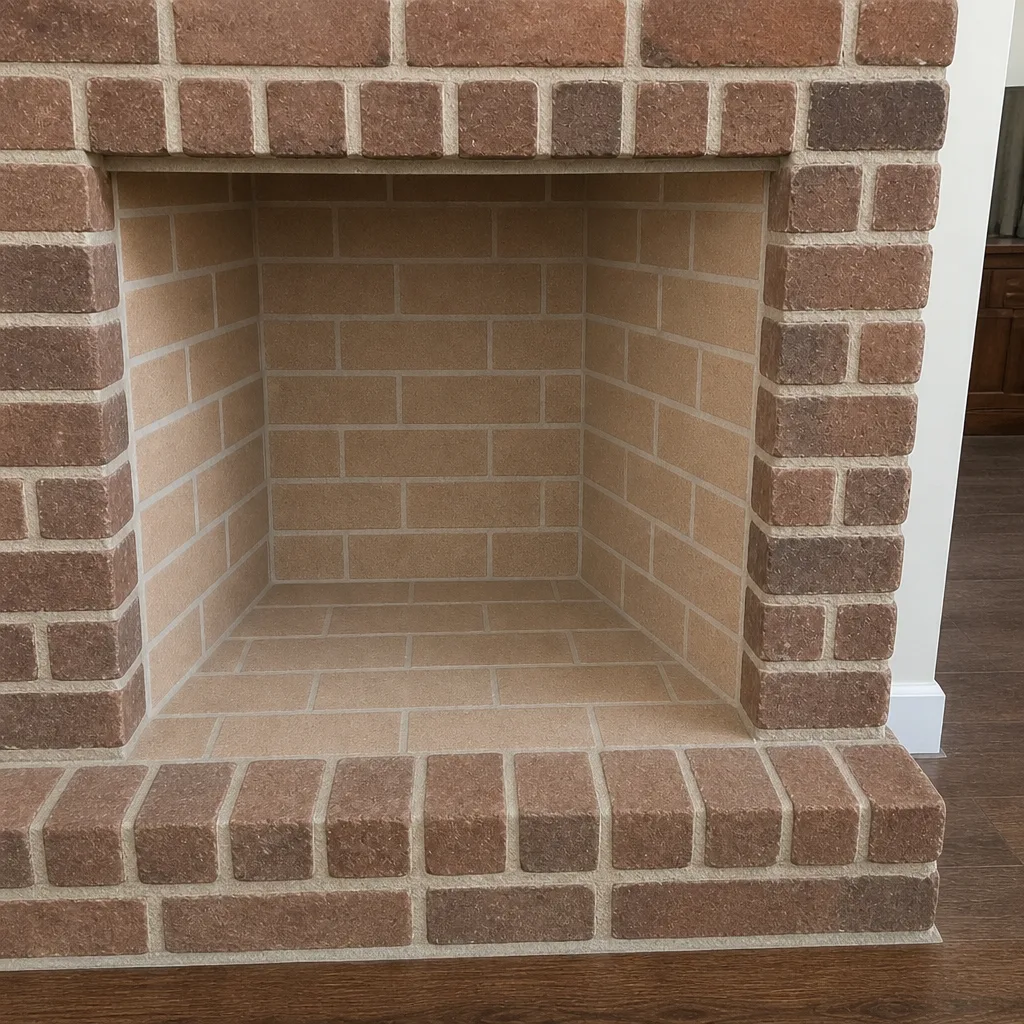 After
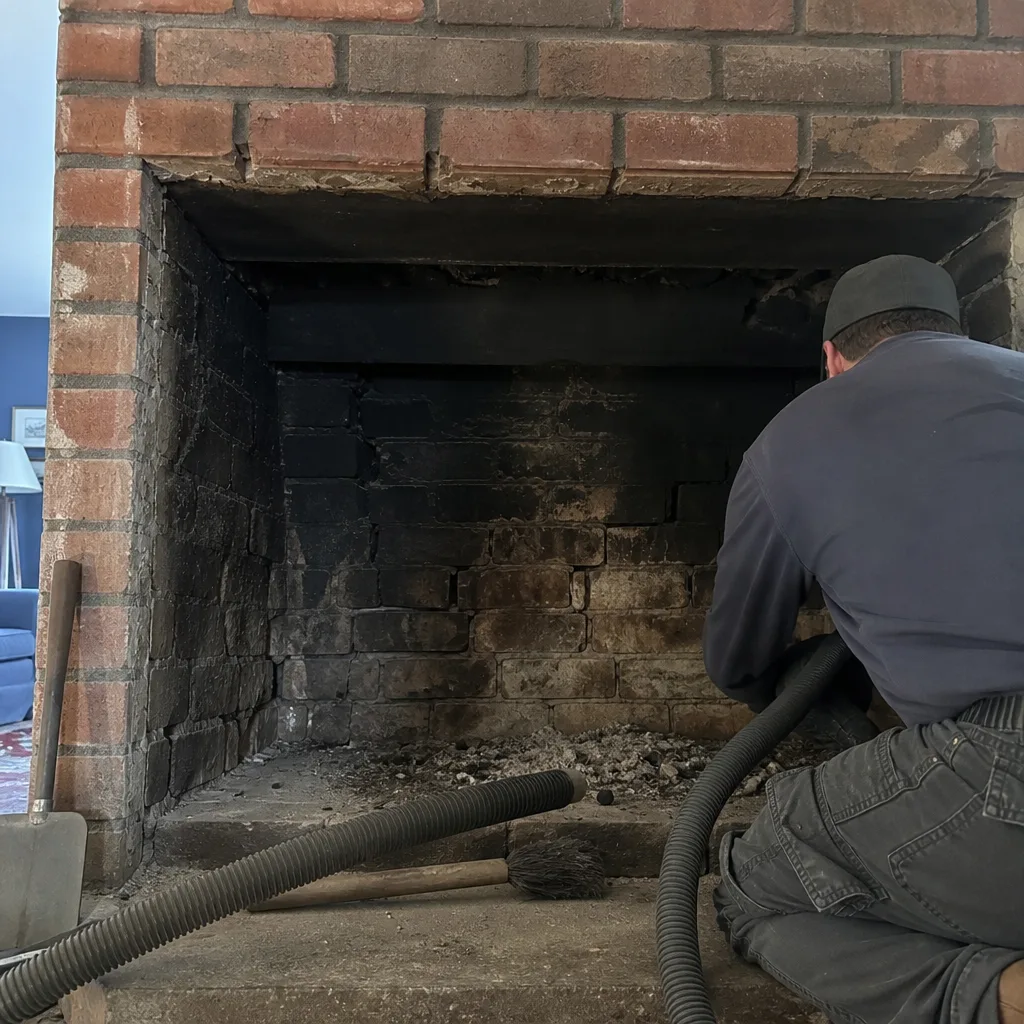 Before
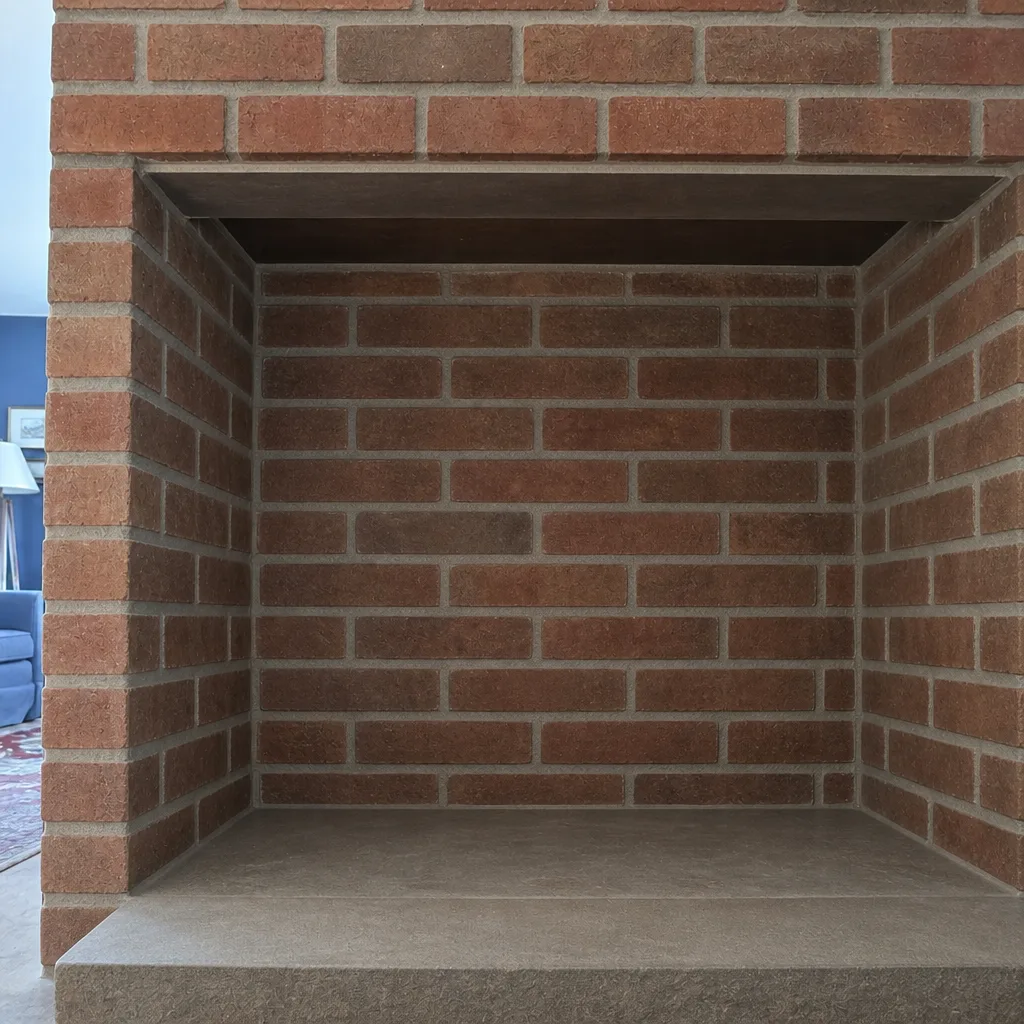 After
 Before
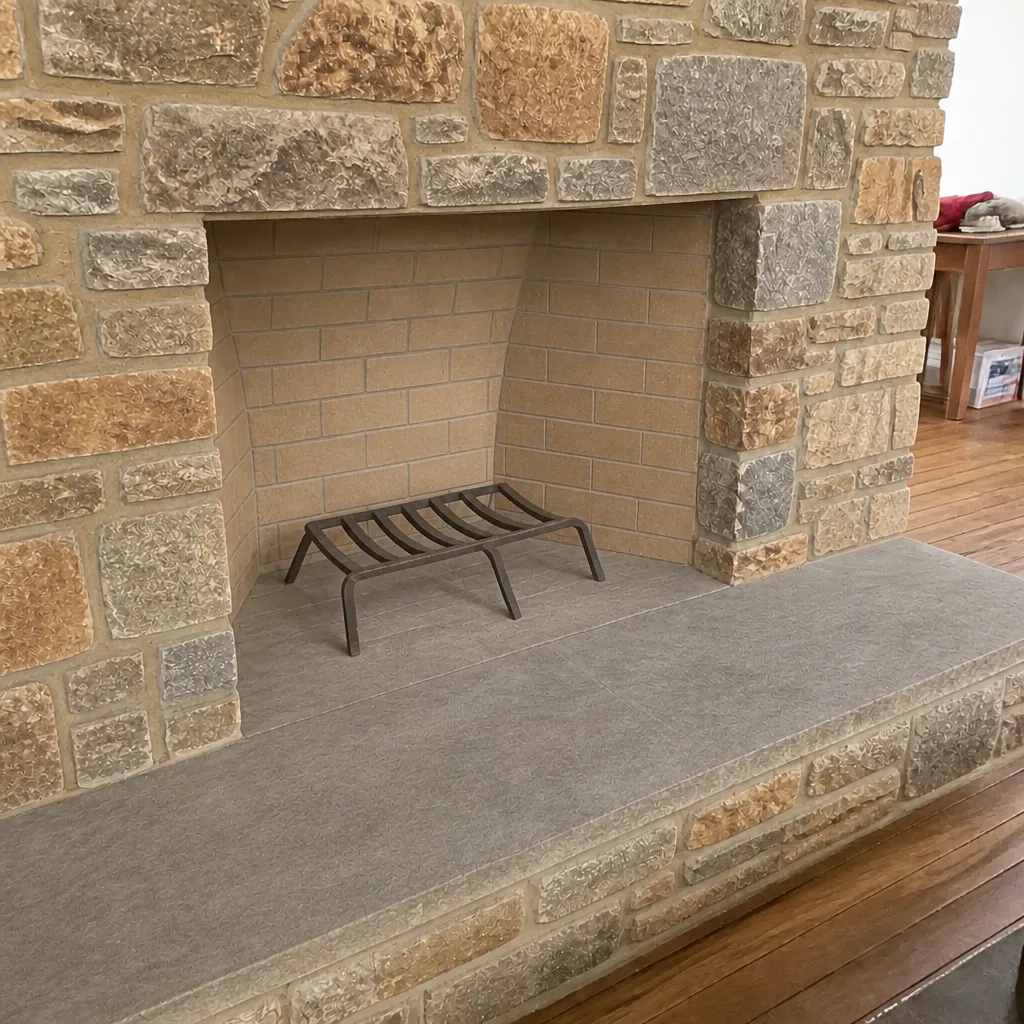 After
HeatShield Products We Service & Install in Knoxville
We handle the HeatShield applications that come up in Knoxville’s older masonry chimneys. That includes HeatShield Firebox Resurfacing, where castable refractory is applied over a wire-lath armature to restore a spalled firebox face. It includes HeatShield Flue Liner Resurfacing, a cast-in-place refractory for clay-tile flues that rebuilds the liner from the inside. We also handle the HeatShield Crown Repair and Crown Coating System for crowns that need a proper slope and expansion joint, and HeatShield stainless-steel flue relining for liners too badly deteriorated for resurfacing.
We service and install these systems. We don’t claim to stock them, and we’re clear about when one application fits better than another.
We Also Service These Brands
HeatShield is one method among several we work with. We also install and service DuraFlex flexible liner systems and Gelco products, and we work with the professional-grade roster that certified chimney pros specify by name. A chimney doesn’t always call for the same solution, and a shop tied to one brand tends to find one answer. We look at the chimney and recommend the method that fits it.
FAQs – HeatShield Chimney Cleaning Service in Knoxville
No. We’re an independent HeatShield service provider, not affiliated with, authorized by, or a dealer for HeatShield. We repair, install and service HeatShield systems with quality parts that fit them and install them to the manufacturer’s method. We won’t tell you otherwise to win a job.
Yes. HeatShield repairs require the castable refractory, bonding agents and stainless relining components to come from HeatShield or a distributor authorized to supply them, because mixing brands undermines the cure and the manufacturer’s installation method. We source parts that fit the system correctly. We don’t stock OEM parts and we don’t claim to.
A HeatShield firebox resurfacing is typically a single-day job once the firebox is prepped, but the cure time before the first fire matters more than the install itself. Firing too soon is the most common cause of hairline cracking. A cast-in-place flue resurfacing takes longer. We’ll give you a realistic timeline with the written estimate, not a guess on the phone.
We service and install HeatShield firebox resurfacing, flue liner resurfacing for clay-tile flues, crown repair and crown coating, and stainless-steel flue relining. Each one fits a different condition on the chimney, and we’ll tell you which applies once we’ve inspected it.
Not when the installation follows the manufacturer’s method and uses parts that belong to the system. The reverse is what voids a warranty: mixing brands, skipping the prep, or coating a crown that wasn’t properly sloped first. We document what we did and with what materials so your warranty terms stay intact.
HeatShield service is priced per job by a written estimate, and the estimate is free. A firebox resurfacing sits at one price, a flue liner resurfacing at another, and the two together at a third, so the only honest number comes after we’ve inspected the chimney. A Level 2 inspection and creosote removal are part of what determines the scope. Call (877) 792-6481 for an exact quote. We answer 24/7. Fast dispatch from 7am to 7pm, Sunday through Friday.
Book Your HeatShield Service in Knoxville, TN
Crumbling mortar and flaking brick at the back of the firebox usually mean a season of heavy burning has caught up with the face. A sweep finds spalled brick over sound structure, does a Level 2 inspection to confirm the flue and smoke chamber, clears creosote, then casts the refractory and lets it cure fully before the first fire. If that sounds like your chimney, call (877) 792-6481 for a free estimate. We answer 24/7. Fast dispatch from 7am to 7pm, Sunday through Friday.
Written by the team at Chimney Sweep Knoxville.