
Last updated November 25, 2026
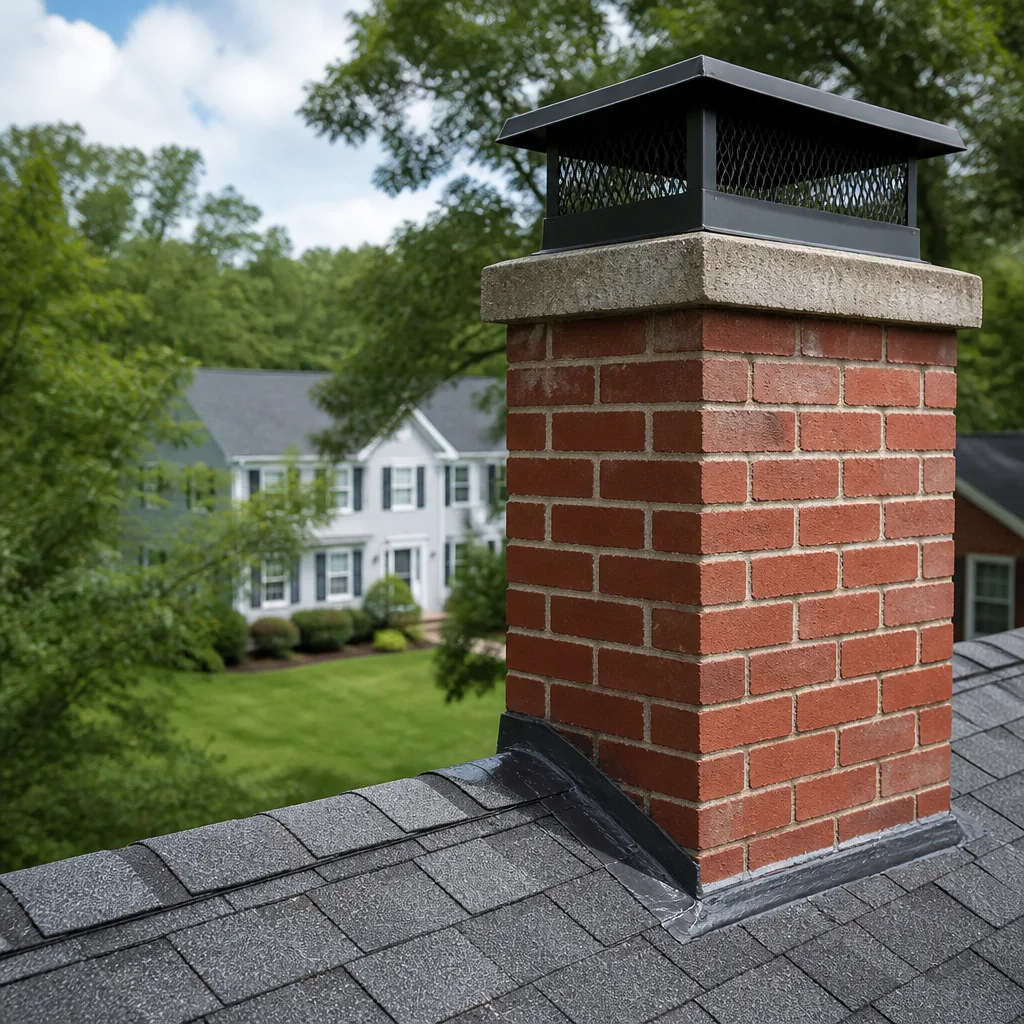 Sweep & inspection
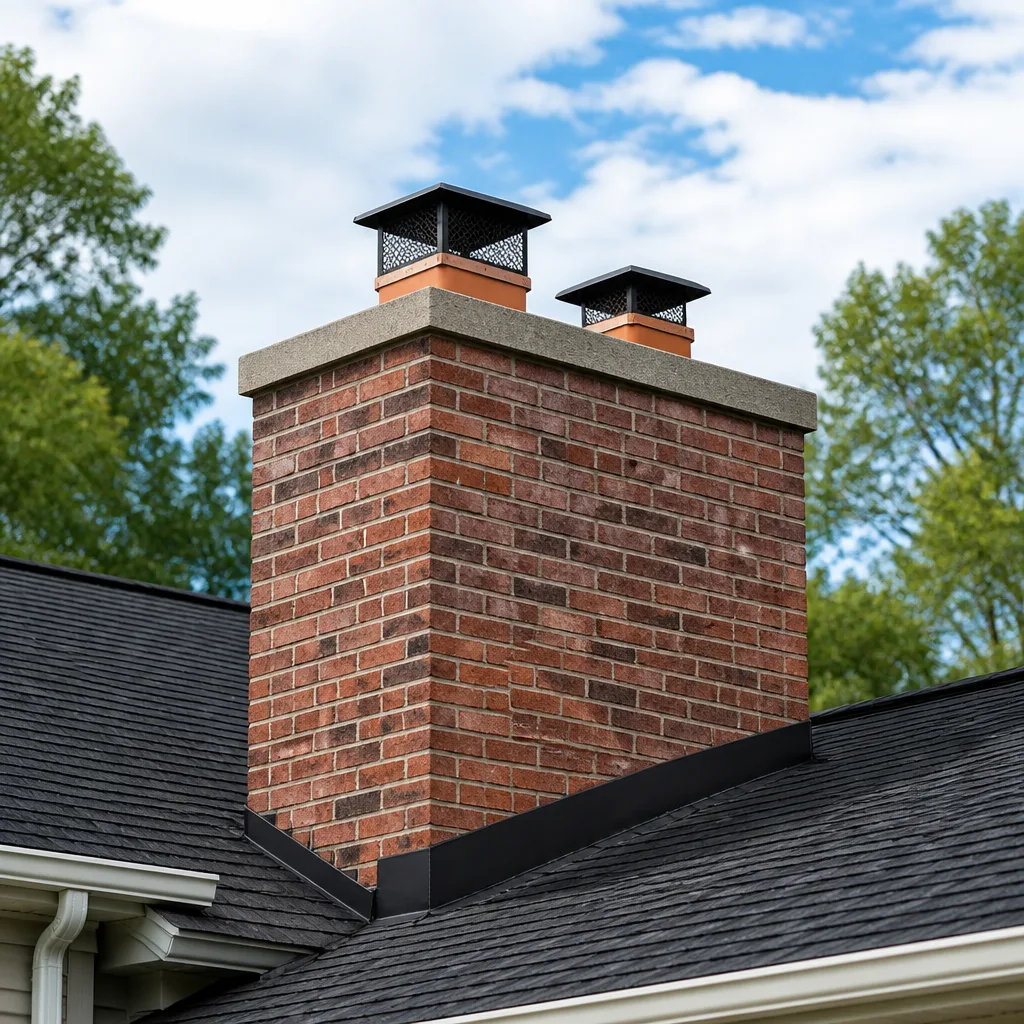 Caps & crowns
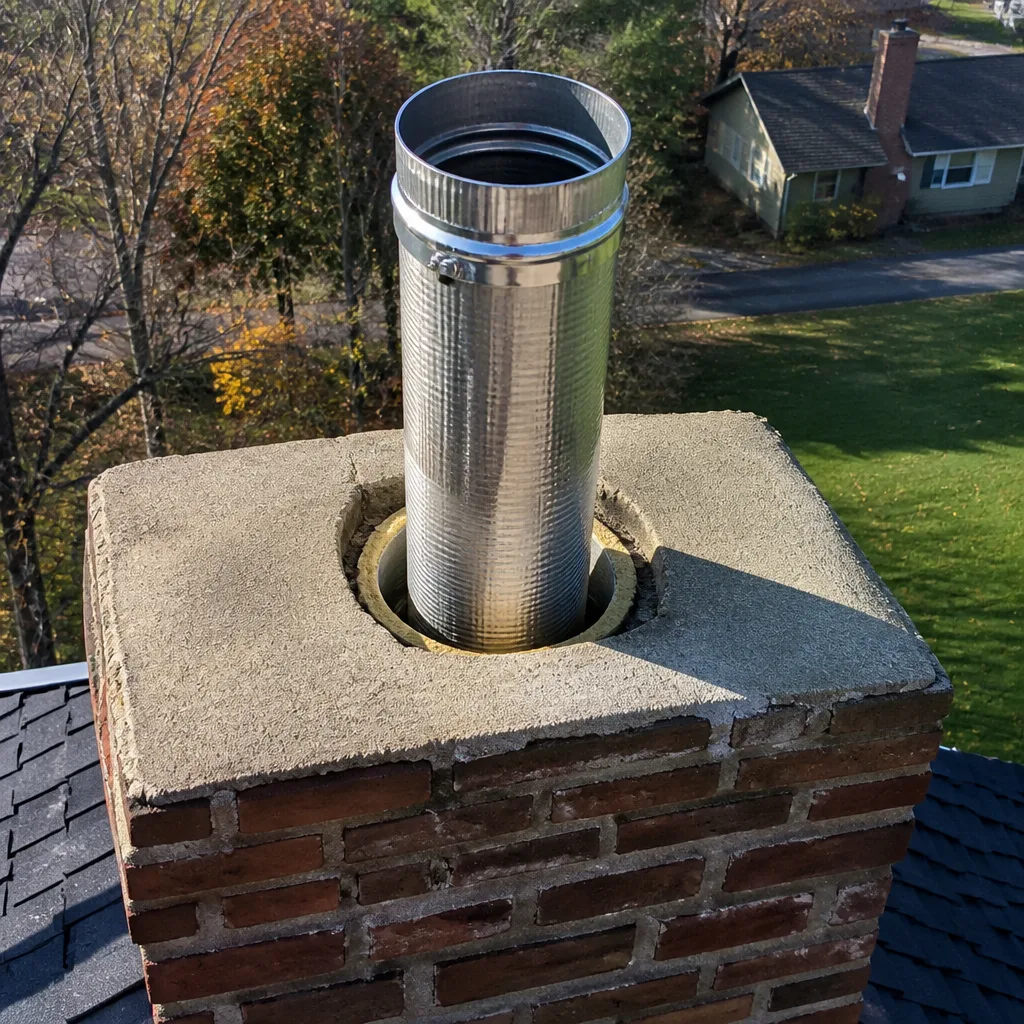 Flue relining
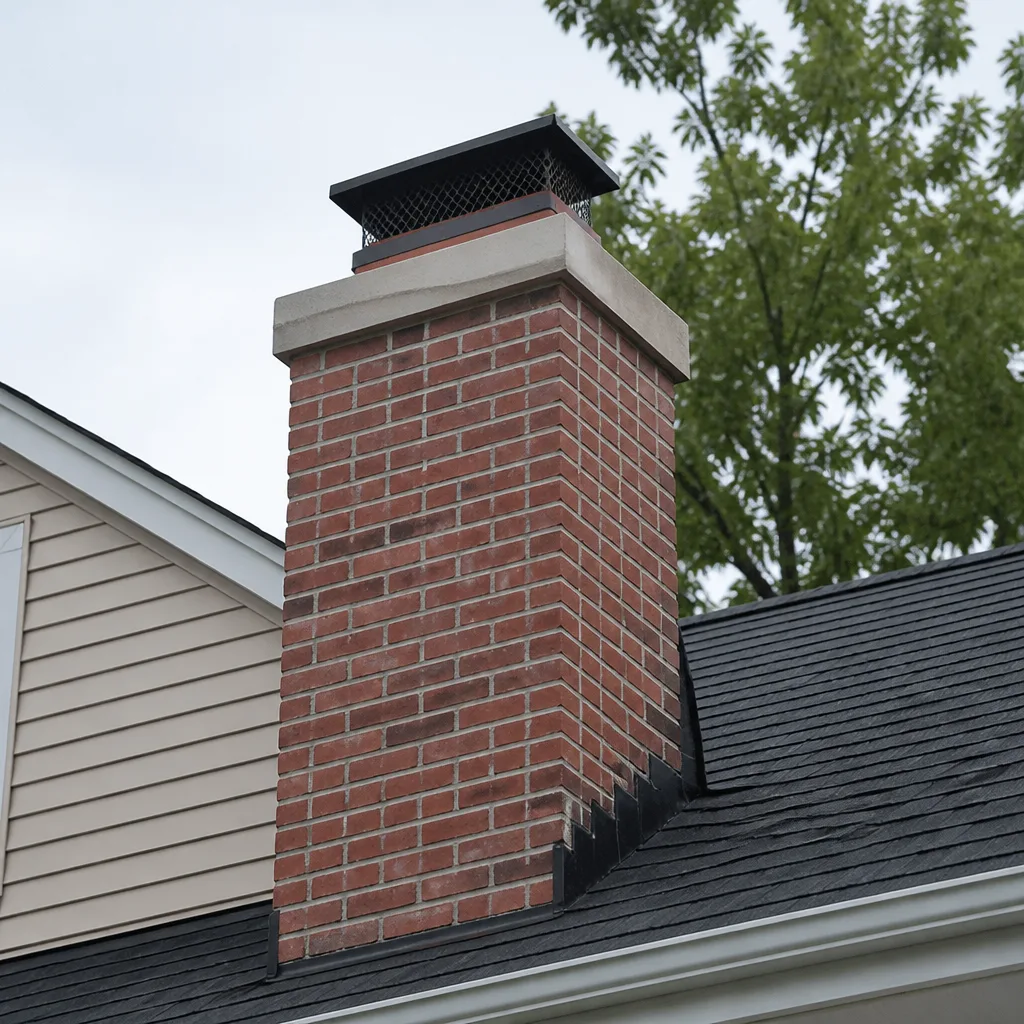 Masonry repair
 Gas fireplace service
Level 1 sweep and inspection to the NFPA 211 annual standard - flue, crown, cap, and flashing checked and photographed
Chimney sweep logs do not sweep chimneys. They loosen some creosote - which then falls where a brush and vacuum still have to collect it.
Chimney Cleaning Permits, Codes & Inspections in Knoxville, TN: What You Need to Know
Most Knoxville homeowners assume chimney work never touches a permit desk. For a routine sweep, they’re right. But the moment a job stops being cleaning and starts being construction, Knox County code and the International Residential Code step in and quietly define what a “code-compliant” chimney actually is. A liner swap, a firebox rebuild, or a wood stove install all live in that zone. This guide walks through which chimney services need a permit in Knoxville, which are simple maintenance, what IRC Section R1001 and NFPA 211 require, what a real inspection report looks like, and how unpermitted work can surface during a home sale.
Quick Answer
In Knoxville, a standard chimney sweep and Level 1 inspection are maintenance and don’t require a permit. Liner replacement, firebox or crown reconstruction, wood stove and insert installation, and flue changes do require a Knox County building permit, and the finished work should comply with IRC Section R1001 and NFPA 211. A proper inspection report records defects with photos and measurements, which is a very different document from a sweep receipt.
Styles & brands we work with
- Sweep & inspection
- Caps & crowns
- Flue relining
- Masonry repair
- Gas fireplace service
Table of Contents
- Which Chimney Services Need a Knox County Permit?
- How IRC Section R1001 and NFPA 211 Define a Compliant Chimney
- What a Real Chimney Inspection Report Looks Like
- The Scenarios That Trigger a Mandatory Inspection
- How the Permit and Inspection Process Actually Flows
- How Unpermitted Chimney Work Surfaces in a Knoxville Home Sale
- Knoxville Climate, Housing Stock, and What They Mean for Your Flue
- Common Mistakes to Avoid
Which Chimney Services Need a Knox County Permit?
The clean split is between maintenance and construction. Maintenance keeps the existing system doing what it was built to do. Construction changes the system, and that’s where Knox County building permits apply. A sweep is maintenance. A reline is construction.
On the maintenance side, our Chimney Sweep Knoxville crews handle these without pulling a permit:
- Routine chimney sweeping and creosote removal
- Level 1 and Level 2 inspections
- Chimney cap installation on an existing flue
- Minor mortar touch-ups and firebox repointing that don’t alter structure
- Damper cleaning and adjustment
The construction side is where the permit desk comes into play. These jobs alter the flue system or the structure around it:
- Liner replacement or installation (including HeatShield restoration of a deteriorated flue)
- Firebox reconstruction or major masonry rebuild
- Crown replacement where the crown connects to the flue system
- Wood stove or gas insert installation, including appliance conversion
- Flue resizing, added flues, or a change in the type of appliance served
If you’re not sure which bucket your project falls into, ask. Call (877) 792-6481. We answer 24/7. Fast dispatch from 7am to 7pm, Sunday through Friday. We’ll tell you plainly whether the job needs a permit before we quote it.
How IRC Section R1001 and NFPA 211 Define a Compliant Chimney
Two documents do most of the heavy lifting. IRC Section R1001 is the residential code chapter on chimneys and vents. NFPA 211 is the standard for chimneys, fireplaces, vents, and solid fuel-burning appliances. Knox County adopts the IRC with local amendments, and NFPA 211 fills in the detail IRC leaves to referenced standards. When both are applied together, they define what “code-compliant” means in practical terms.
Here’s what those two documents actually constrain for a typical Knoxville chimney:
Flue sizing
The flue has to be sized to the appliance it serves. A wood stove with a 6-inch flue collar needs a 6-inch flue, not a 10-inch chimney that used to serve an open fireplace. Oversized flues run cold and build creosote faster. Undersized flues draft poorly and can back smoke into the room. This is the single most common mismatch we find when a wood stove is swapped in without a permit.
Liner material and construction
The liner has to be listed for the fuel type and protected against direct contact with combustible framing. A flexible stainless system like DuraFlex and a rigid system from a maker like Olympia Chimney both meet code when installed to the manufacturer’s listing. A clay tile flue with cracks, spalling, or missing joints doesn’t. Those are the defects that drive the reline decision.
Clearances
The 2-inch clearance-to-combustibles rule for exterior chimneys and the 1-inch rule where the chimney penetrates a roof or wall are not negotiable. A masonry chimney that was never built with the right clearance can’t be fixed by adding insulation on the outside. It has to be evaluated and, in most cases, relined.
Height
The chimney must extend at least 3 feet above the highest point where it passes through the roof surface and at least 2 feet above any roofline within 10 feet. Short chimneys are the classic cause of draft complaints in Knoxville homes built into hillsides, where the roofline next door can sit higher than the flue.
What a Real Chimney Inspection Report Looks Like
A sweep receipt says “chimney cleaned.” An inspection report says what the sweep found and what it means. Those are different documents with different value when you’re the one deciding whether to spend money on repairs.
A code-compliant Level 2 inspection report should contain all of the following:
- Photos of every accessible flue. Not just the firebox. The full flue, from the top and from the bottom, with the camera run the length of the interior.
- Measured flue dimensions. Cross-section, height above the roofline, and the measured clearance to combustibles where visible.
- The appliance served. Fuel type, appliance type, and whether the flue is sized correctly for it.
- A defect list with location and severity. Cracks, spalling, gaps in joints, deteriorated mortar, failed crown, missing cap, and liner condition.
- Video or photo evidence for any recommended work. If we recommend a liner replacement, you see the reason, not just the price.
- Clear language on what can wait and what cannot. Some findings are cosmetic. Some are a fire waiting to happen. The report should distinguish them.
Our technicians have up to 9 years of experience, and the field standard we hold is camera evidence for every recommendation. If it isn’t in the camera footage, it doesn’t go in the report.
The Scenarios That Trigger a Mandatory Inspection
Three everyday projects come up again and again in Knoxville, and each one triggers an inspection requirement. Here’s what the inspector actually looks for in each.
Wood stove installation
The flue must be lined, sized to the appliance, and protected by a listed liner. The inspector checks clearances to combustibles, the floor protection under and around the stove, the wall pass-through details, and the chimney termination height. What sinks these projects is the flue: a 6-inch stove dropped into an 8-inch or 10-inch flue fails on sizing, and a clay flue with cracked joints fails on material. That’s often where a flexible DuraFlex liner gets specified. The permit is what proves the install was inspected.
Gas insert conversion
Converting a wood-burning fireplace to a gas insert changes the fuel type the flue serves and usually requires a permit. The inspector looks at the liner (many gas inserts need a dedicated liner, not the old masonry flue), the gas connection, ventilation clearances, and the manufacturer’s listing for the insert. A conversion done without a permit and without a liner is the situation where insurance becomes a problem after a fire.
Liner repair or replacement
Any change to the liner assembly – a partial reline, a full reline, HeatShield restoration of a deteriorated flue – is construction, not maintenance. The inspector checks that the liner is listed for the appliance, that it’s continuous and properly terminated at both ends, that the top plate is secured, and that clearances are maintained. A restoration job using HeatShield gets inspected on the same terms, because the finished flue has to meet the same standard as a new liner.
If you’re staring at one of these and not sure whether a permit is required in your situation, that’s the right question to ask. Call (877) 792-6481. We’ll tell you what the job needs before anyone picks up a tool.
How the Permit and Inspection Process Actually Flows
Permits are the easy part. The sequencing is where Knoxville homeowners get tripped up, because a chimney job that starts before the permit is pulled can turn into an expensive stop-work and a red tag.
- Inspection first. Before any permit application, we run a Level 2 inspection and document the existing chimney. The report becomes the basis for the scope of work. You can’t get a permit for work you haven’t defined.
- Scope and estimate. We write the scope to match what the inspection found and what the code requires. The written estimate is what sets the final price, and the scope is what gets submitted.
- Permit application. The application goes to Knox County with the scope and, where required, drawings or manufacturer’s listings. The permit is pulled before work begins.
- Inspection during rough-in. For a reline or a rebuild, there’s often an inspection at the rough stage, before the flue is closed off. Miss this step and you may be asked to open work back up.
- Final inspection. The inspector confirms the finished work meets IRC Section R1001 and NFPA 211 as adopted locally. Pass the final and the paper trail is complete.
- Certificate and close-out. You get the permit closed out, and you keep the documentation. That file is what protects you when the house sells or when you need to make an insurance claim.
We handle the inspection side and the repair side together, which keeps the sequencing clean. The same company that documents the defect pulls the permit and does the work. There’s no hand-off to a second contractor halfway through.
How Unpermitted Chimney Work Surfaces in a Knoxville Home Sale
Chimney work done without a permit doesn’t stay hidden forever. It usually shows up during the buyer’s inspection, and by then the seller is the one who has to answer for it. Here’s how the sequence typically unfolds.
Buyer’s inspection
Most Knoxville buyers hire an inspector, and a good one will flag a chimney liner that doesn’t match the appliance, a stove install with missing clearances, or a crown that was clearly rebuilt without the permit record to match. The buyer’s inspector doesn’t need to know the code chapter and verse. They just need to see something that doesn’t look right.
Disclosure obligations
Once the defect surfaces, the seller’s disclosure form becomes the pressure point. A seller who knows about a code violation and doesn’t disclose it is in a much worse position than one who does. “I didn’t know” stops working once the inspection report is on the table.
Title insurance and the paper trail
Title insurance covers title defects, not construction defects. What it does track is whether permitted work has open permits or code violations recorded against the property. An open chimney permit can hold up a closing. A violation can force the seller to fix the work or negotiate the price down.
Buyer inspection contingencies
Most Knoxville contracts include an inspection contingency. If the buyer’s inspector flags unpermitted chimney work, the buyer can ask the seller to repair it, credit the cost, or walk away. In a competitive Knoxville market, a clean permit record closes faster.
Chimney work done on the up-and-up is also just easier. When the buyer’s inspector comes through, the permit documentation and inspection report are sitting in a file, and the conversation ends there. We can help you get that file in order before you list.
Knoxville Climate, Housing Stock, and What They Mean for Your Flue
Knoxville sits in a valley with a humid subtropical climate. Summers are hot and sticky, winters are cool but rarely brutal. The chimney consequence of that pattern is the one most homeowners miss: the flue spends most of the year cold and damp, then gets fired up hard in the first cold snap. That wet-to-hot cycle accelerates mortar deterioration and joint cracking in clay flues.
Housing stock amplifies it. Downtown and the neighborhoods that ring it – Old North Knoxville, Fourth and Gill, Mechanicsville, Fort Sanders – have a lot of early-1900s masonry chimneys originally built around coal and open fireplaces. Those flues are oversized for a modern wood stove or gas insert, which is exactly the mismatch that triggers the reline decision. Homes out toward West Knoxville and Farragut tend to be newer, with clay-flue chimneys that are fine when the original appliance is still in place and a problem when it’s been swapped out.
The valley also affects draft. Inversions in the Tennessee River valley can cause smoke to hang over the ridgelines on still mornings, which shows up as a backdraft complaint. Sometimes that’s a chimney height problem. Sometimes it’s a flue that’s too large for the appliance. A camera inspection tells you which.
What that means for permits is simple: the older the house and the more the appliance has changed, the more likely the work crosses from maintenance into construction, and the more likely you need a Knox County permit. A pre-season inspection in Knoxville catches the problem when it’s still small and cheap to fix.
Common Mistakes to Avoid
- Assuming a liner swap is just cleaning. A reline changes the flue system, and Knox County treats it as construction. Skipping the permit leaves you without the inspection paper trail that protects you at resale.
- Installing a wood stove without a permit and without a liner sized to the appliance. The most common failure is a 6-inch stove dropped into an oversized clay flue. The fix after the fact usually costs more than the permit would have.
- Converting a wood fireplace to gas without verifying the flue. A gas insert needs a listed liner matched to the appliance. The old masonry flue isn’t a substitute, and the inspector will say so.
- Accepting a sweep receipt as an inspection. A receipt proves someone cleaned. A report proves someone looked. Insist on photos of the full flue and plain language on what was found.
- Restoring a flue with HeatShield or a liner without documenting the work. Restoration is a real fix, and it meets code when done right. The mistake is skipping the permit and inspection that proves it was done right.
- Letting a cap or crown job slide past the permit threshold. A cap replacement on an existing flue is maintenance. A crown rebuild that ties into the flue system is construction, and it needs the paperwork.
- Waiting until a home sale to check the permit record. A pre-listing inspection and permit check takes one visit. Recovering from an open permit or a violation at closing can take weeks.
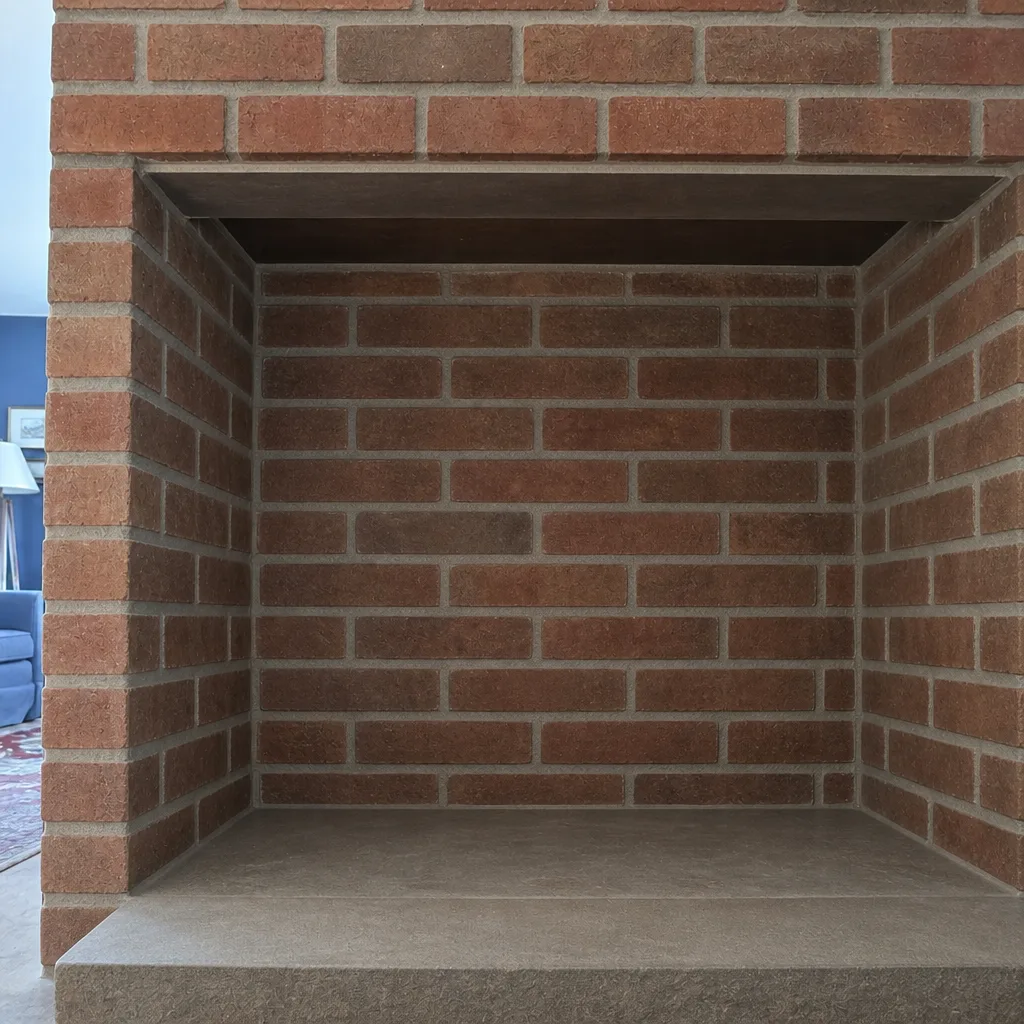
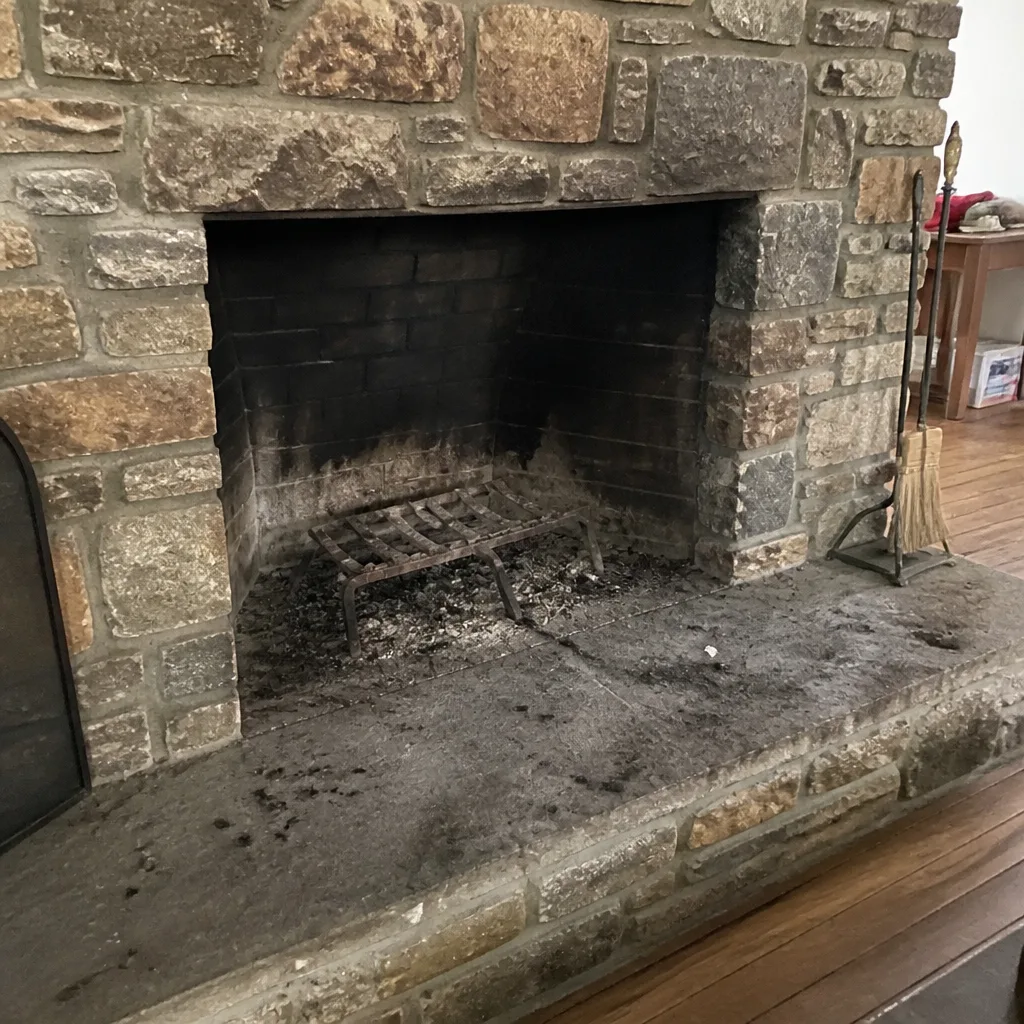
See the difference
 Before
 After
 Before
 After
 Before
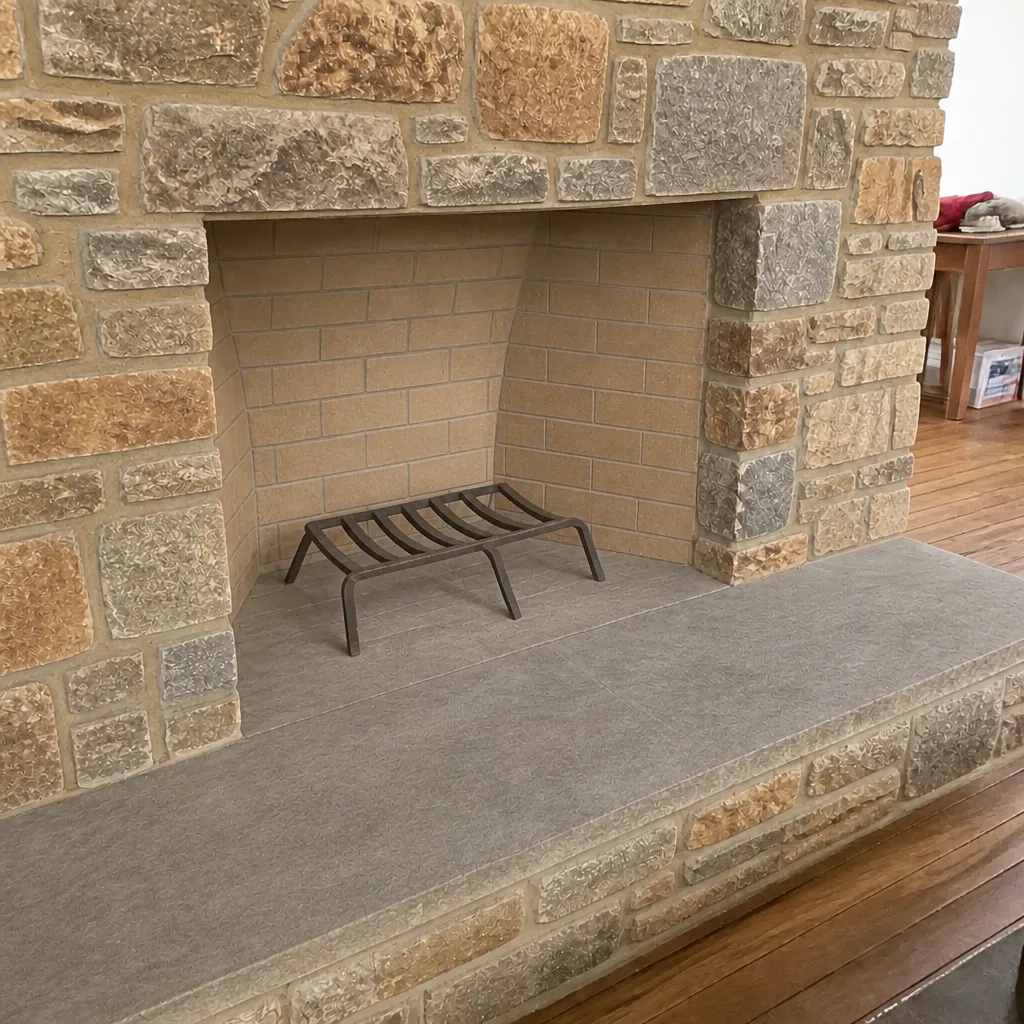 After
When to Call a Professional
Call a professional any time your chimney work crosses from maintenance into construction. That includes a wood stove or gas insert install, a liner replacement or restoration, a firebox rebuild, and a crown replacement that ties into the flue. It also includes anything where the previous owner did work you can’t find a record of, because an inspection is the only way to know whether it was done to code.
We handle the full scope – from the annual chimney sweep and camera inspection through chimney cap & crown work, fireplace repair, and reline or restoration with DuraFlex, HeatShield, and Copperfield systems. Chimney Sweep Knoxville offers free estimates in Knoxville – call (877) 792-6481. We answer 24/7. Fast dispatch from 7am to 7pm, Sunday through Friday.
Frequently Asked Questions
No. A standard chimney sweep and a Level 1 inspection are classified as maintenance and don’t require a Knox County building permit. Permits apply to construction work like a liner replacement, firebox rebuild, or new appliance install. Call (877) 792-6481 for an exact quote on your sweep – estimates are free.
Liner replacement or installation, firebox reconstruction, crown replacement tied to the flue system, wood stove and gas insert installation, and any change to the flue size or appliance served all require a Knox County building permit. Routine sweeping, inspections, and cap installation on an existing flue do not. Call (877) 792-6481 and we’ll tell you which applies to your project.
IRC Section R1001 is the residential code chapter on chimneys and vents, and NFPA 211 is the referenced standard for chimneys, fireplaces, vents, and solid fuel-burning appliances. Knox County adopts the IRC with local amendments, and NFPA 211 fills in the technical detail the IRC defers to. Together they set the flue sizing, liner material, clearance, and height rules a compliant chimney has to meet.
A compliant Level 2 report contains photos of every accessible flue, measured flue dimensions and clearance to combustibles, the appliance served and whether the flue is sized correctly for it, and a defect list with location and severity. It should also include camera footage or photos supporting any recommended work, plus plain language on what can safely wait. Call (877) 792-6481 to schedule an inspection with a full photo report.
Yes. Unpermitted work typically surfaces in the buyer’s inspection, and once it does, the seller’s disclosure obligations kick in. Open permits or recorded violations can hold up closing, and title insurance tracks those. In most Knoxville contracts the buyer also has an inspection contingency that lets them ask for repair or a price reduction.
Annually, and after any change to the appliance or fuel type. The Knoxville climate accelerates mortar and joint deterioration in clay flues, so an annual camera inspection catches small defects before they turn into a reline. Call (877) 792-6481 for an exact quote – estimates are free.
No, and we won’t. Work done without a permit can void insurance coverage for a fire-related claim, because the permit and inspection record is what proves the work met code. If skipping it seems easier, the cost shows up at closing or after a claim.
The Bottom Line
A chimney sweep is maintenance, and it doesn’t need a permit. Liner replacement, firebox reconstruction, and appliance installation are construction, and in Knoxville they need a Knox County permit and a final inspection that confirms compliance with IRC Section R1001 and NFPA 211. The inspection report is the record that proves the work was done right, and it’s the document that protects you when the house sells or when you file a claim. Our technicians have up to 9 years of experience, and we handle the sweep, the inspection, the permit-side scope, and the repair under one roof.
If you’re not sure whether your chimney project is maintenance or construction, call (877) 792-6481 for a free estimate. We answer 24/7. Fast dispatch from 7am to 7pm, Sunday through Friday. We’ll tell you exactly what we found and exactly what it means before any work begins.
Written by the team at Chimney Sweep Knoxville.