
Last updated November 25, 2026
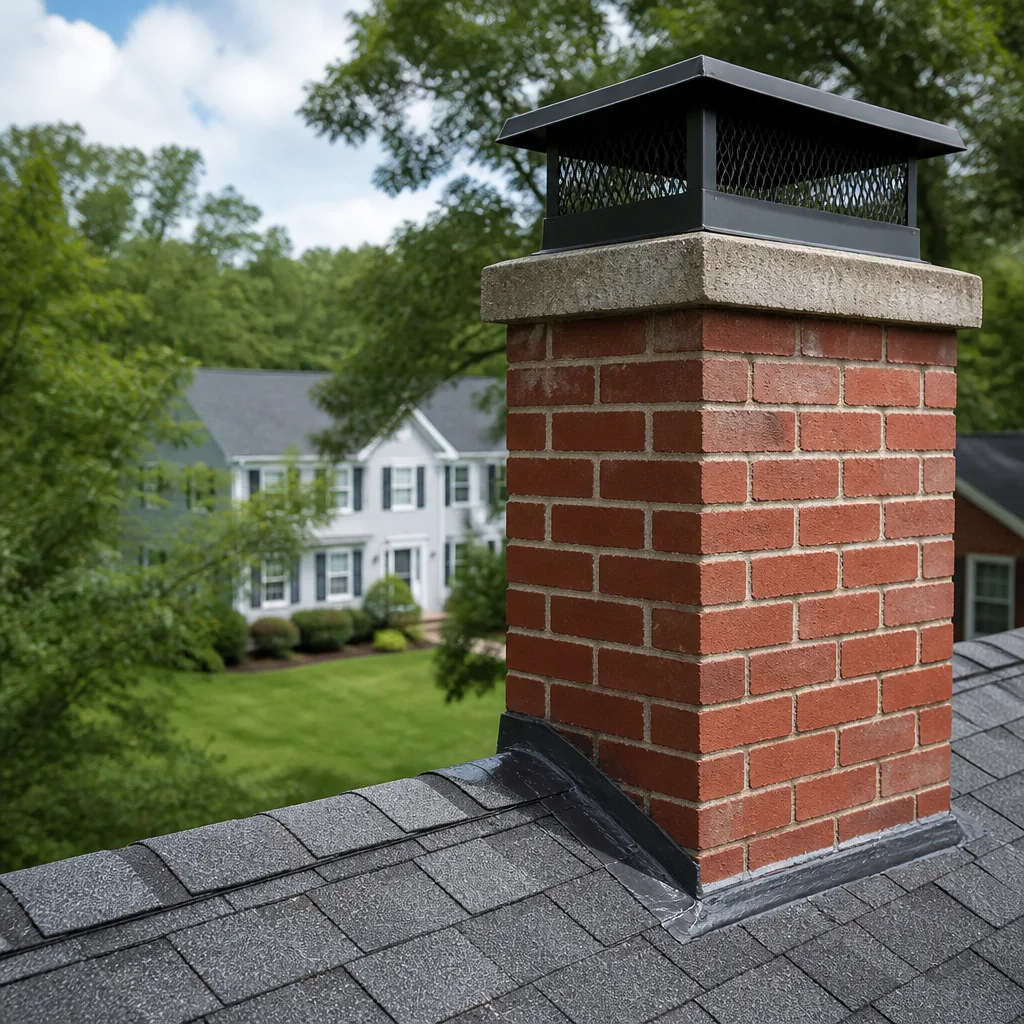 Sweep & inspection
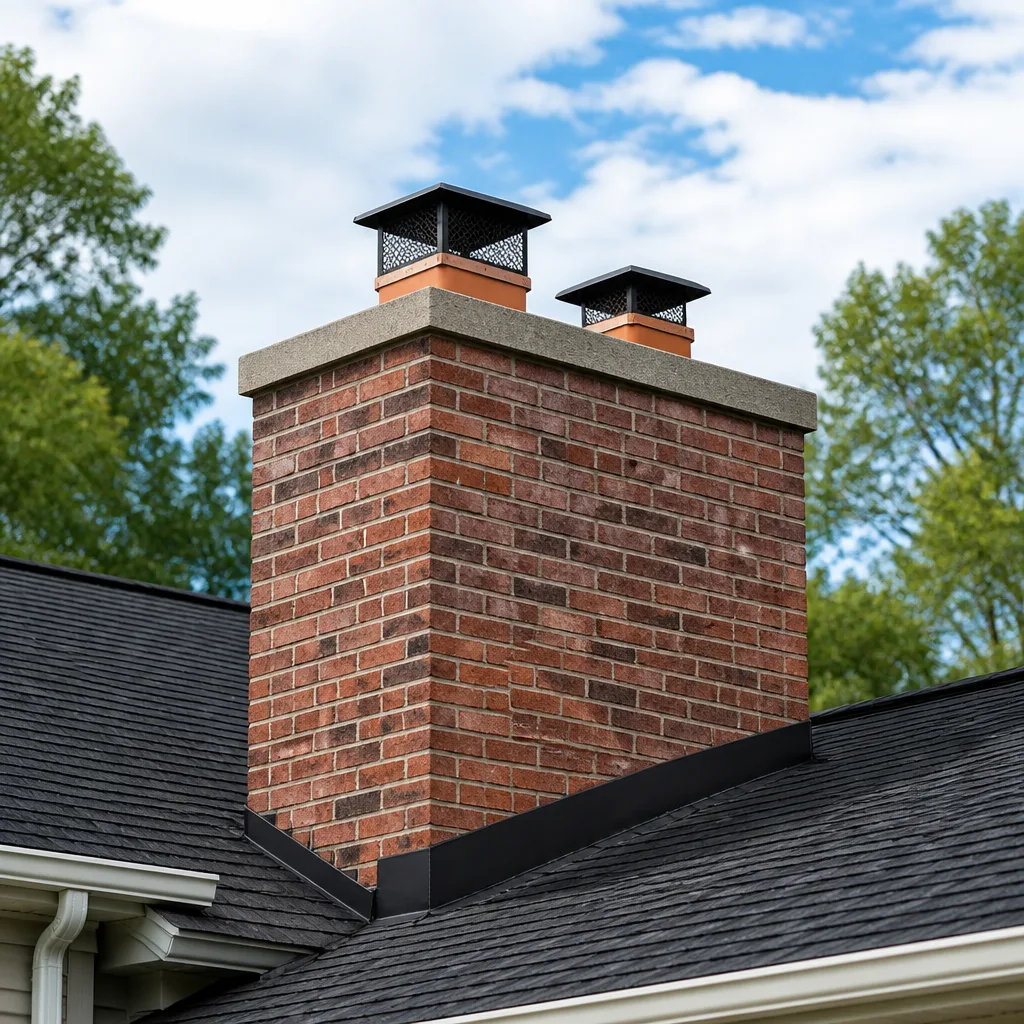 Caps & crowns
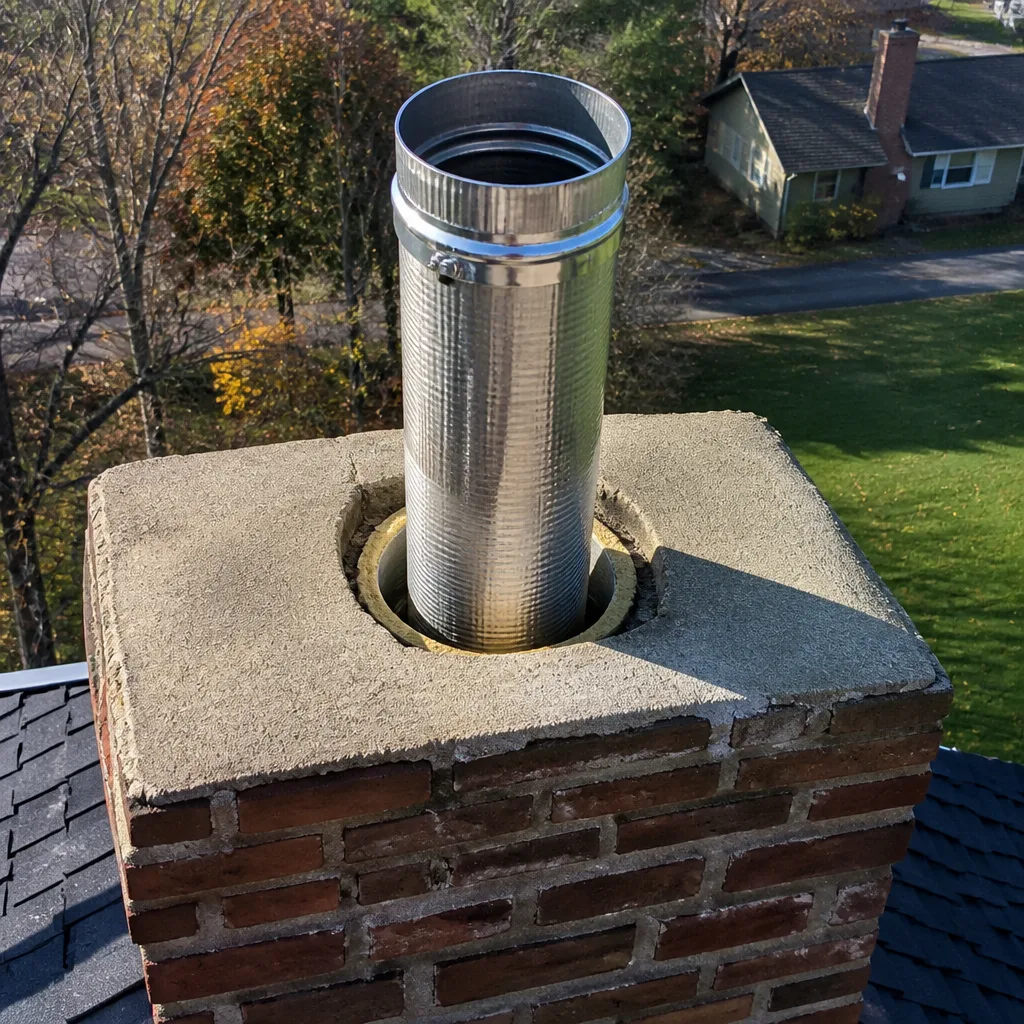 Flue relining
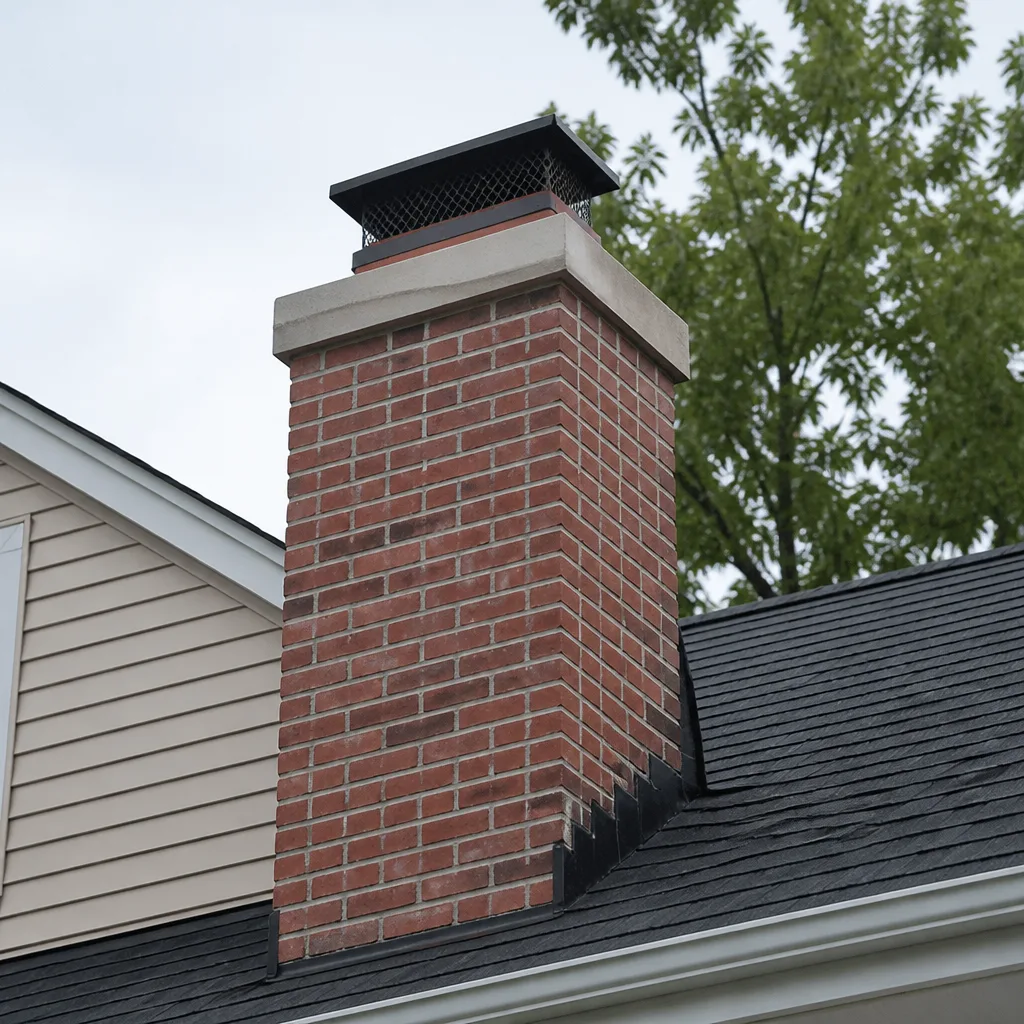 Masonry repair
 Gas fireplace service
Level 1 sweep and inspection to the NFPA 211 annual standard - flue, crown, cap, and flashing checked and photographed
Chimney sweep logs do not sweep chimneys. They loosen some creosote - which then falls where a brush and vacuum still have to collect it.
Seasonal Chimney Cleaning Care for Knoxville: Year-Round Homeowner’s Guide
Most homeowners think about their chimney in January, when a cold snap hits and the fireplace becomes the warmest room in the house. That’s backwards. Knoxville’s spring is harder on chimneys than winter. The freeze-thaw cycle ends, moisture-saturated masonry begins to spall and shed, and by April nesting birds treat an uncapped flue as prime real estate. The damage most Knoxville homeowners discover in the middle of heating season started months earlier, during a season they never thought to look. This guide walks you through what each Knoxville season does to your masonry, liner, flashing, and cap, and what to do about it before the next one arrives.
Quick Answer
The best time to schedule a chimney sweep in Knoxville is late August to early October, before the first fire of the season, not January after a problem has already developed. Year-round care means checking mortar and the cap in spring, watching for humidity-driven spalling in summer, booking your sweep and camera inspection in early fall, and monitoring creosote buildup through the burning months. Four seasons, four jobs, one system.
Styles & brands we work with
- Sweep & inspection
- Caps & crowns
- Flue relining
- Masonry repair
- Gas fireplace service
Table of Contents
- Why Knoxville’s Four Seasons Stress a Chimney Differently
- Spring: Freeze-Thaw Damage, Spalling, and Nesting Birds
- Summer: Humidity, Clay Tile Liners, and Early Warning Signs
- Fall: The Preparation Sequence Before the First Fire
- Winter: Burning Season and What to Watch
- Why Late August to Early October Is the Right Sweep Window
- What Each Chimney Component Needs Each Season
- Common Mistakes to Avoid
Why Knoxville’s Four Seasons Stress a Chimney Differently
A chimney in Knoxville doesn’t face one kind of wear. It faces four. Winter brings repeated freezing and thawing of moisture trapped in brick and mortar. Spring pulls that moisture out unevenly as temperatures swing, and the freeze-thaw damage that started in winter shows up as flaking brick faces and crumbling joints. Summer humidity keeps masonry damp for weeks and lets water sit against clay tile liners. Fall is the calm before the burn, the one window when you can clean and inspect without fighting weather or a fire schedule. Each season attacks a different component: winter and spring hit the masonry shell, summer hits the liner and firebox, fall and winter load the flue with creosote.
Most chimney guides stop at “get an annual sweep.” That’s the floor, not the ceiling. Understanding which season does what lets you time your maintenance so that one task in spring prevents a repair in fall. In our experience across Knoxville homes, the chimneys that need the most structural work are rarely the ones that burned the most fires. They’re the ones nobody looked at between April and September.
- Winter: freeze-thaw cycles crack mortar; heavy burn loads creosote in the flue.
- Spring: spalling brick, loose mortar, bird nests and debris in uncapped flues.
- Summer: sustained humidity softens masonry, degrades liner joints, and hides water damage.
- Fall: the maintenance window: sweep, inspect, repair before the first fire.
Spring: Freeze-Thaw Damage, Spalling, and Nesting Birds
Spring is the most overlooked season for chimney care in Knoxville, and it’s the one that causes the most cumulative damage. Here’s why. All winter, moisture from rain and snow works its way into porous brick and mortar. When that moisture freezes, it expands and pushes the masonry outward. When it thaws, it leaves behind a slightly wider crack. Repeat that cycle dozens of times over a Knoxville winter, and by March the freeze-thaw action has loosened mortar joints and begun the flaking and spalling that shows up as brick faces peeling off in sheets.
Spring tasks are about catching that damage while it’s cheap to fix. Run through this sequence in March or April:
- Walk the exterior and look for flaking brick faces, white chalky deposits (efflorescence), and crumbling mortar joints.
- Check the chimney crown, the concrete cap at the very top, for cracks that let water straight into the masonry.
- Inspect the chimney cap and spark screen for winter storm damage or loosened fasteners.
- If the flue is uncapped, look for bird nests, twigs, and leaves. Spring is peak nesting season, and an open flue looks like a hollow tree to a determined bird.
- Book a post-season camera inspection to document the interior of the flue before summer.
That last point matters. A camera inspection in spring establishes a baseline. When you come back in fall, you know exactly what changed over the summer. We use professional-grade materials from brands like HeatShield and Gelco when repairs are needed, so the fix on a cracked crown or a damaged flue joint is matched to the actual condition rather than a guess.
Summer: Humidity, Clay Tile Liners, and Early Warning Signs
Summer in Knoxville is humid, and humidity is patient. It works on masonry and clay tile liners for weeks at a time, keeping the shell damp and softening the mortar that holds tile joints together. A clay tile flue that looks fine in a dry October can develop hairline cracks by August, and once water enters through a cracked tile or a failed joint, it doesn’t leave. It sits against the masonry from the inside and starts the next freeze-thaw problem before winter even starts.
You can spot early summer warning signs from the firebox, without climbing on the roof. Look for:
- White, chalky staining on the firebox brick or the smoke chamber, which signals moisture moving through the masonry.
- Crumbling or sandy mortar between firebrick or clay tiles.
- A musty, damp smell from the firebox on humid days.
- Rust on the damper or firebox components.
- Flaking on the exterior brick faces, which will have started in spring and accelerated in summer humidity.
If you see any of these, the fix isn’t a sweep. It’s a proper inspection that looks at the flue interior with a camera and confirms whether the liner has lost integrity. A deteriorated clay tile liner may call for a relining system, which is where materials like HeatShield or a DuraFlex flexible liner come in. Catching it in July means the work can be done calmly before the first cold snap in Knoxville, not rushed in November when everyone else finally notices.
Fall: The Preparation Sequence Before the First Fire
Fall is when the whole system gets reset. This is the window to clean, inspect, repair, and confirm the chimney is safe before you strike the first match. Doing these tasks out of order wastes the window. Here’s the sequence that works:
- Sweep first. A professional chimney sweep removes soot and creosote from the flue and firebox. You can’t inspect a dirty flue accurately, so this comes before anything else.
- Inspect second. A full inspection with a camera follows the sweep. This is where we look at the flue interior, the smoke chamber, the damper, the firebox, the crown, the cap, and the flashing.
- Repair third. Any issue the inspection documents gets addressed now, while there’s time for materials to arrive and the work to be done well. That might mean a chimney cap & crown replacement, a fireplace repair, or a relining project.
- Confirm last. Once repairs are complete, a follow-up check confirms the system is ready for burning season.
The order matters because each step informs the next. Skipping the sweep and going straight to inspection means you might diagnose creosote as a stain or miss a joint problem under a soot layer. Skipping the inspection after the sweep means you clean a flue that has a cracked tile and never know it. In Knoxville, where the first real fire often comes before Halloween, this sequence needs to start in late August or early September to leave room for any repair.
Winter: Burning Season and What to Watch
Winter is the burning season, and the goal is to keep the flue healthy while you use it. Creosote accumulates every time you burn, and the rate depends on how hot and how clean the fire runs. A hot, well-aired fire produces less creosote than a smoldering one with the damper choked down. That’s why the way you burn in December affects what your flue looks like in February.
During winter, watch for signals that something has changed:
- Smoke spilling into the room when you light a fire, or a fire that’s hard to start.
- A stronger-than-usual smell of smoke in the house even when the fireplace isn’t lit.
- A noticeable drop in draft strength compared to earlier in the season.
- Visible creosote buildup, or a glaze on the flue walls if you can see them.
None of these are emergencies on their own, but each one is a reason to book an inspection rather than wait until spring. And if you haven’t had a sweep or inspection since before the season started, the safest move is to schedule one now. A clean flue burns more predictably than an overloaded one. There’s no cost advantage to waiting, and the safety margin is real.
Why Late August to Early October Is the Right Sweep Window
The ideal sweep timing in Knoxville is late August to early October. Not January, not March. Here’s the logic. By late August, the previous burning season’s creosote has had all spring and summer to settle and stop moving, so a sweep cleans the flue completely. The fall weather is still workable, meaning repairs found during the inspection can be done without fighting cold or rain. And the timing means the system is clean and verified before the first fire, rather than being cleaned after a problem has already caused damage.
A January sweep usually happens because something went wrong. Draft problems, smoke rollback, a chimney fire that just occurred. At that point, the job isn’t maintenance; it’s remediation, and the repair list is longer and the urgency is higher. The same inspection in September costs less stress, less scheduling friction, and less risk. If you’ve ever tried to book a chimney contractor in Knoxville in December, you know what we mean. Fall is the window. Book into it.
One more point: if the fall window slips by, don’t skip the year. A sweep in October is ideal, but a sweep in November is still far better than no sweep at all. The hierarchy is simple: clean and inspect before you burn, whenever you can, and don’t let the perfect timing become a reason to do nothing.
What Each Chimney Component Needs Each Season
Different parts of the chimney system take different abuse from different seasons. Here’s a component-by-component breakdown so you can match the task to the season and the part.
| Component | Hardest Season | What to Watch | Task |
|---|---|---|---|
| Masonry shell (brick & mortar) | Winter / Spring | Spalling brick faces, crumbling joints, efflorescence | Spring exterior walk-around; repair in fall if needed |
| Crown | Spring | Cracks, gaps at the top, water intrusion | Inspect in spring; replace or seal in fall |
| Cap & spark screen | Winter (storm) / Spring (nesting) | Animal entry, storm damage, loosened fasteners | Check both spring and early fall |
| Flue liner (clay tile or other) | Summer | Moisture-driven cracks, joint failure, spalling tile | Camera inspection; relining materials (HeatShield, DuraFlex) if deteriorated |
| Flashing | Spring (snowmelt) / Fall (rain) | Loose edges, gaps at the roofline, water stains on ceiling below | Inspect in both spring and fall |
| Firebox & damper | Summer / Winter | Crumbling mortar, rust, damper stiffness | Check during the fall inspection; repair as documented |
| Flue interior (creosote) | Winter | Buildup, glaze, reduced draft | Annual sweep in late summer or early fall |
This is also the checklist we work through on every Chimney Sweep Knoxville visit. The point isn’t to give each component equal attention; it’s to know which season stresses which part, so the inspection lands on the right thing at the right time. A lot of chimney problems in Knoxville come from watching the flue and forgetting the crown, or the reverse.
Common Mistakes to Avoid
- Waiting until winter to think about the chimney. By the time the fireplace is in use every evening, you’ve missed the window when the work is easiest and cheapest. Fall scheduling is the whole game.
- Treating a sweep as the same thing as an inspection. A sweep cleans; an inspection diagnoses. A lot of Knoxville chimneys get swept every year and never get inspected, which means compromised liners go unnoticed until a draft problem forces the issue.
- Ignoring the cap and crown. The most common cause of masonry damage is water entering at the top. A cracked crown or a missing cap is a slow-motion problem that shows up as spalling a year later.
- Skipping spring and summer checks because “the fireplace is off.” The system is still weathering year-round, whether or not you’re burning. Spring and summer are when the damage starts, not when it stops.
- Burning smoldering fires with the damper choked down. Cool, slow fires produce more creosote than hot ones. In Knoxville, a cold snap is no reason to run a lazy fire; run it hot enough to burn clean.
- Assuming a clean flue means a safe chimney. Clean says nothing about the crown, the flashing, the cap, the liner joints, or the firebox. Clean and safe are two different questions, and both need answering.
- Replacing a chimney sweep with a general handyman. A chimney sweep uses the same professional-grade materials and inspection tools that specialists use. Calling someone without them means the diagnosis is a guess, and the fix is a compromise.
See the difference
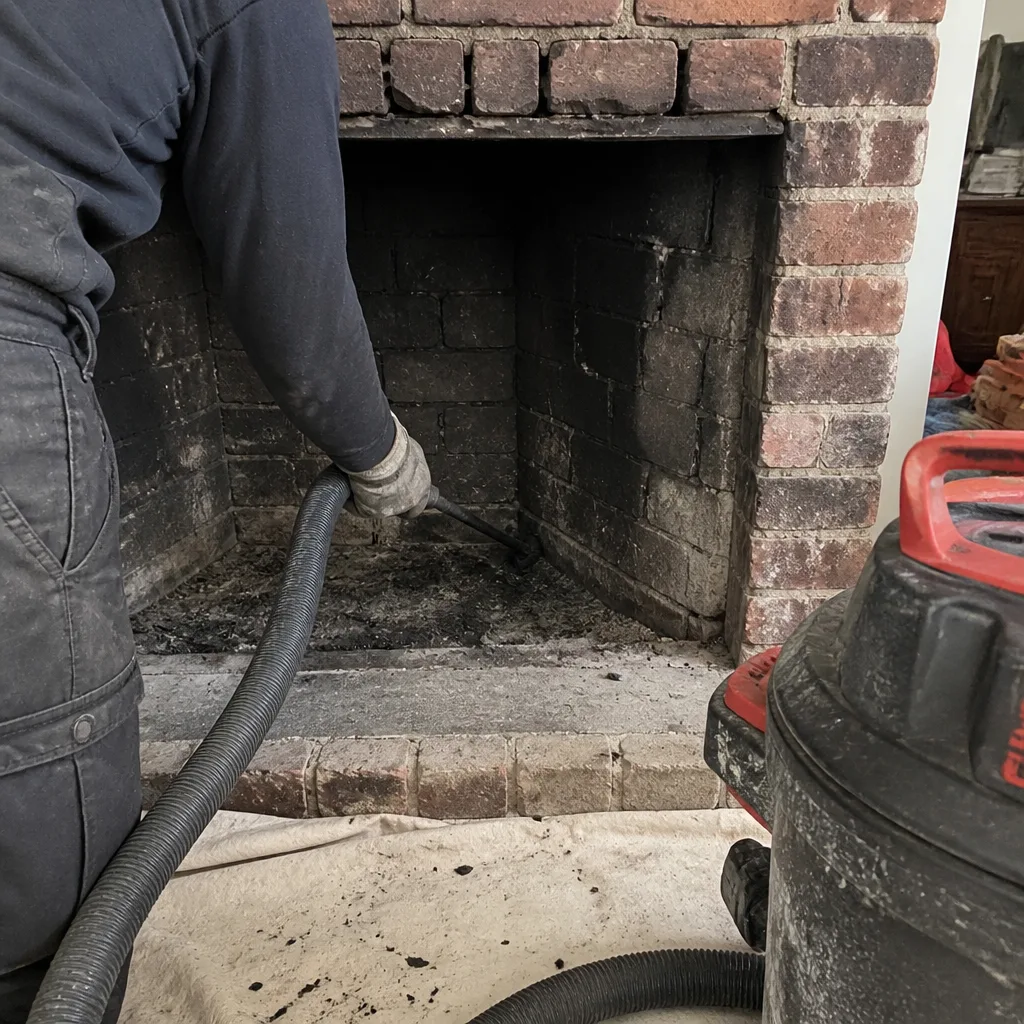 Before
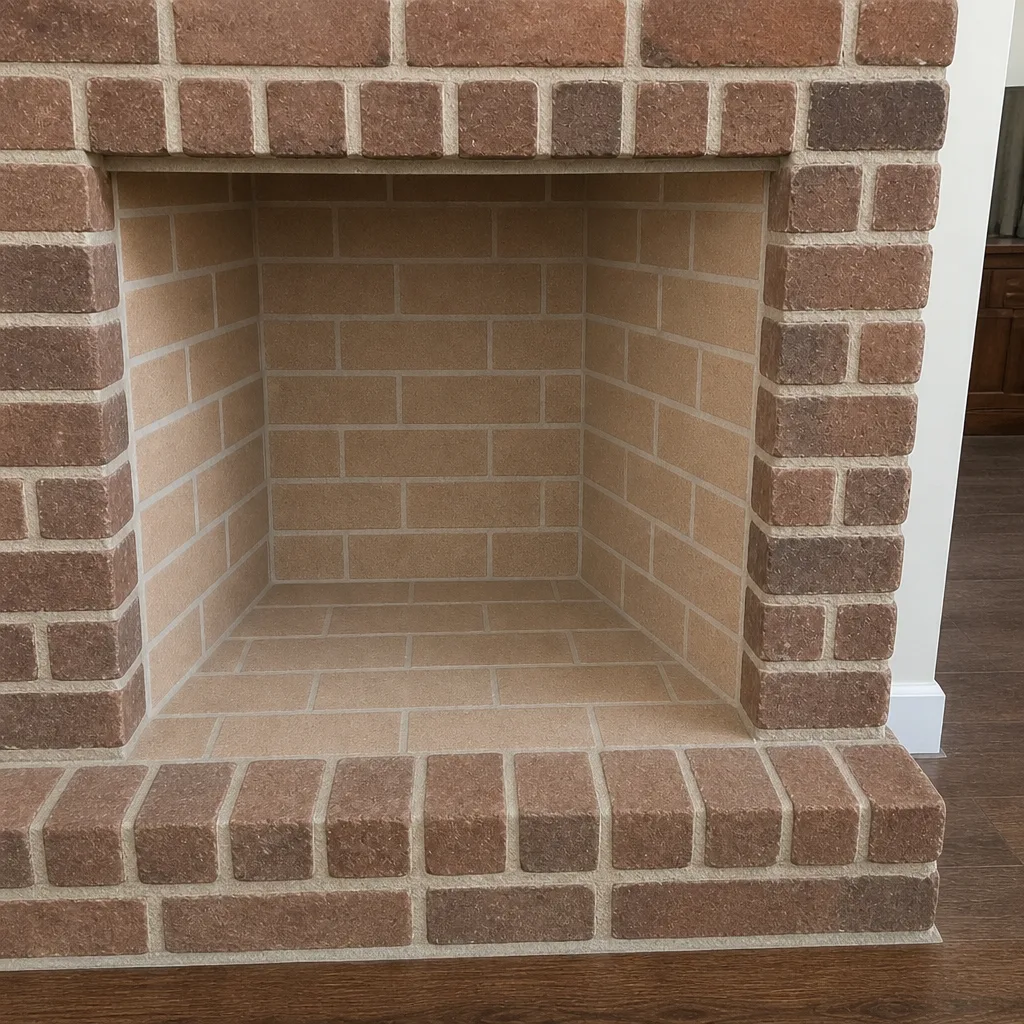 After
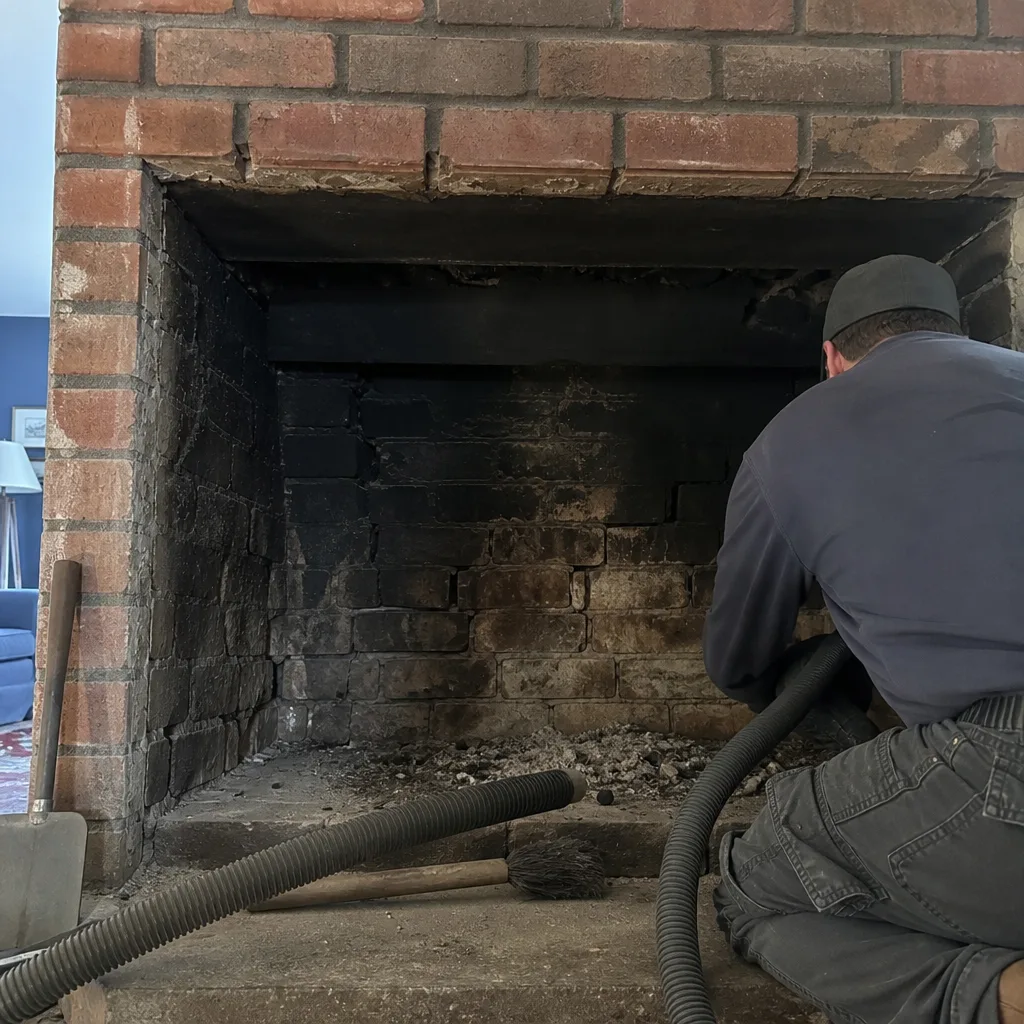 Before
 After
 Before
 After
When to Call a Professional
Call a professional if you see spalling brick faces, crumbling mortar on the firebox or flue, a cracked or separated crown, water staining on the ceiling below the chimney, a damper that won’t move freely, or any smell of smoke in the house when the fireplace is off. Call after any chimney fire, however small. Call if it’s been more than a year since your last sweep or inspection. In Knoxville, the right call before burning season is a sweep, a camera inspection, and any documented repairs. We use the same materials chimney professionals specify by name: HeatShield, Gelco, Olympia Chimney, Famco, Copperfield, and DuraFlex. Chimney Sweep Knoxville offers free estimates in Knoxville. Call (877) 792-6481. We answer 24/7. Fast dispatch from 7am to 7pm, Sunday through Friday.
Frequently Asked Questions
Most Knoxville chimneys should be swept once a year, ideally in late August or early October before the first fire. Homes that burn heavily through the winter, or burn green or unseasoned wood, may need a mid-season check as well. The sweep is a maintenance task; the inspection attached to it is what catches problems before they become repairs.
No. The chimney weathers year-round whether or not you burn. Spring freeze-thaw, summer humidity, and fall storms all stress masonry, liner, and cap. Skipping a year means skipping a full cycle of checks. That’s how a small crown crack becomes a masonry repair.
Spalling is when brick faces peel, flake, or pop off the surface of the masonry. It’s a sign that moisture has entered the brick and is expanding and contracting with the freeze-thaw cycle. In Knoxville, spalling usually starts in spring and gets worse through summer. It’s a maintenance signal, not a structural emergency, but it does mean the masonry needs repair.
Fall is the window before the first fire, and the weather still allows repairs to be done properly. The summer’s creosote has settled, so a sweep cleans more thoroughly. The inspection that follows can document any issues with enough time to fix them before winter. Scheduling in September is easier than scheduling in December.
A camera inspection should come with every sweep, not just when something seems off. The inside of a flue can show a cracked tile or failed joint that a visual check from the firebox can’t see. A camera inspection in spring or fall gives you a documented baseline for the year ahead.
We handle the repair, including relining with materials like HeatShield and DuraFlex. If the inspection finds a crown, cap, flashing, firebox, or liner issue, the same company that found it fixes it. No referrals mid-job, no handoffs, one accountable point from diagnosis to repair.
The Bottom Line
Knoxville’s four-season climate stresses your chimney in four different ways, and each season demands a different task. Spring is for catching freeze-thaw damage and clearing nests. Summer is for watching humidity’s effect on the liner. Fall is the maintenance window, when a sweep, camera inspection, and any documented repairs come together before the first fire. Winter is for burning clean and watching for changes. The annual sweep isn’t the whole story; it’s one piece of a year-round care routine. Align each task to its season, and the expensive repair five years from now is far less likely to appear.
If it’s time to schedule your sweep or you’ve seen something that concerns you, call (877) 792-6481 for a free estimate. We answer 24/7. Fast dispatch from 7am to 7pm, Sunday through Friday.
Written by the team at Chimney Sweep Knoxville.