
Last updated November 25, 2026
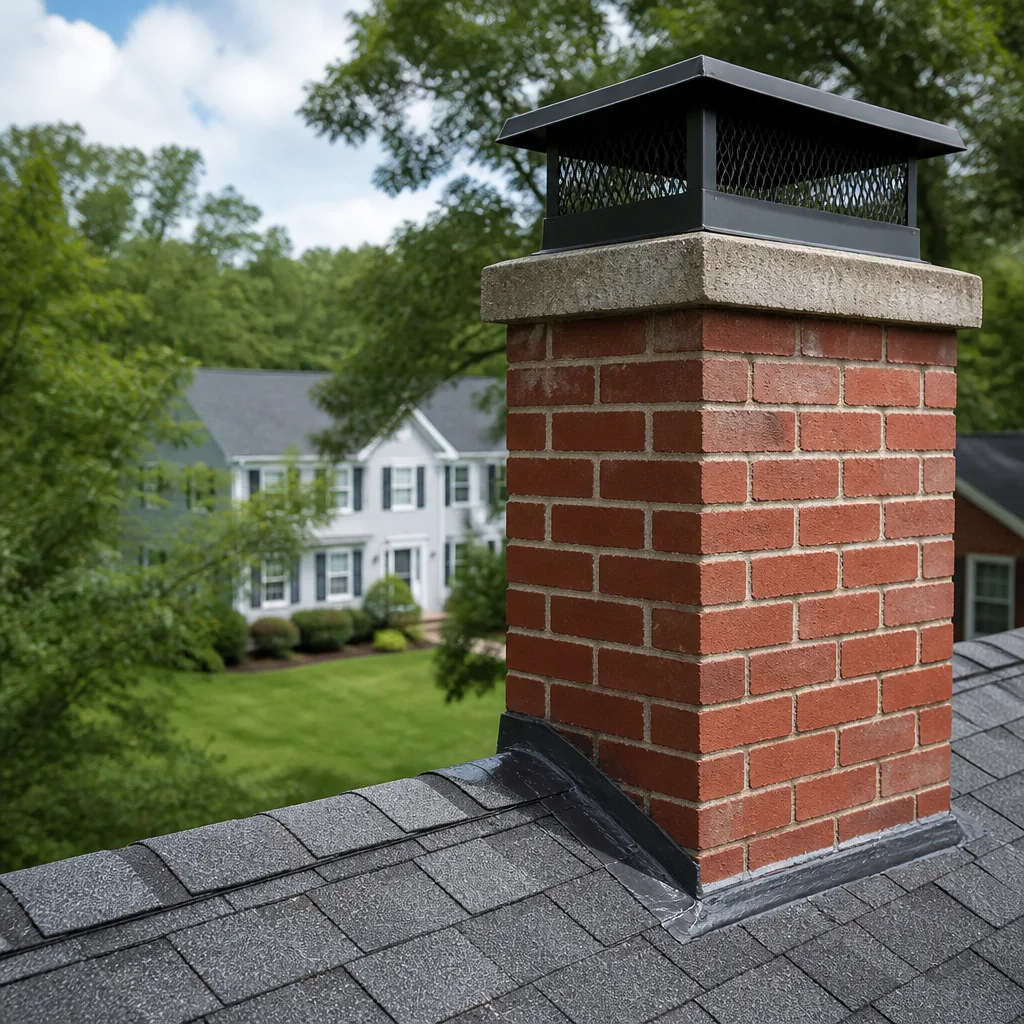 Sweep & inspection
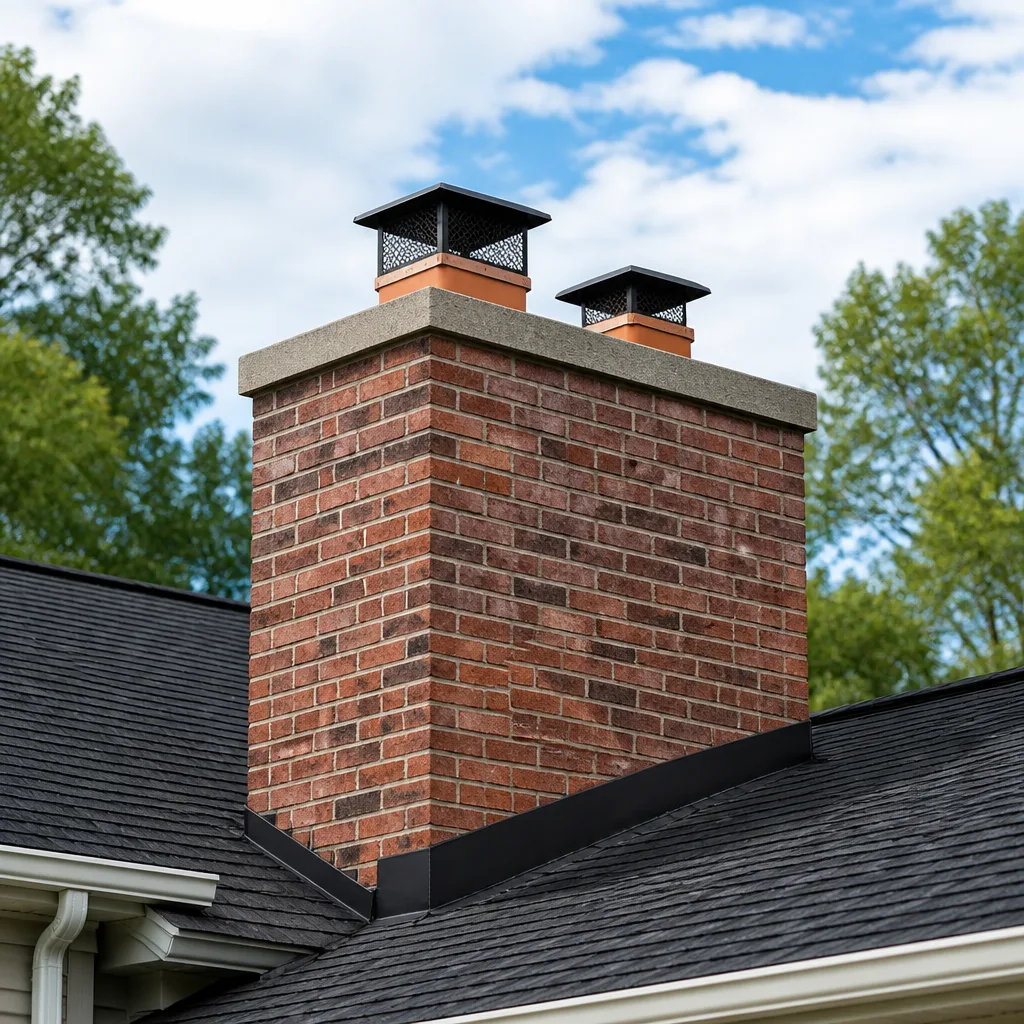 Caps & crowns
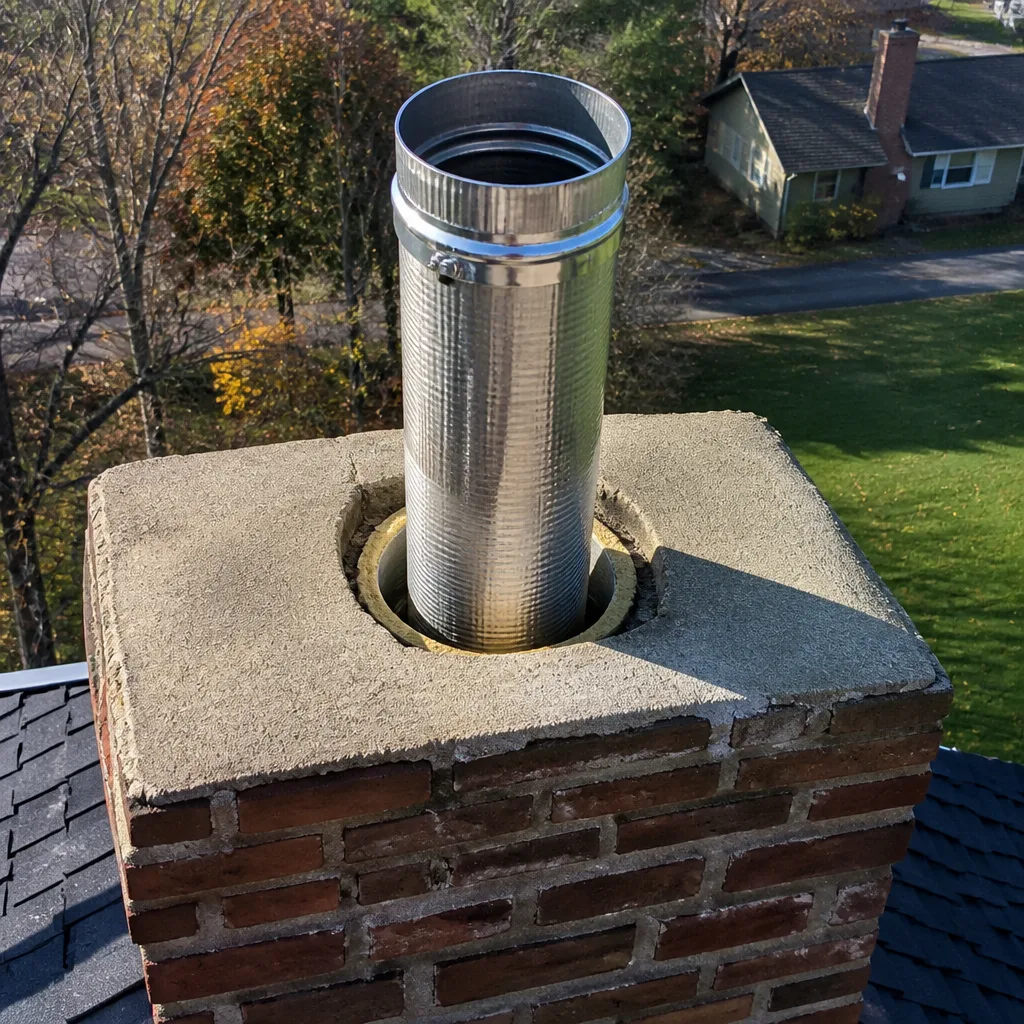 Flue relining
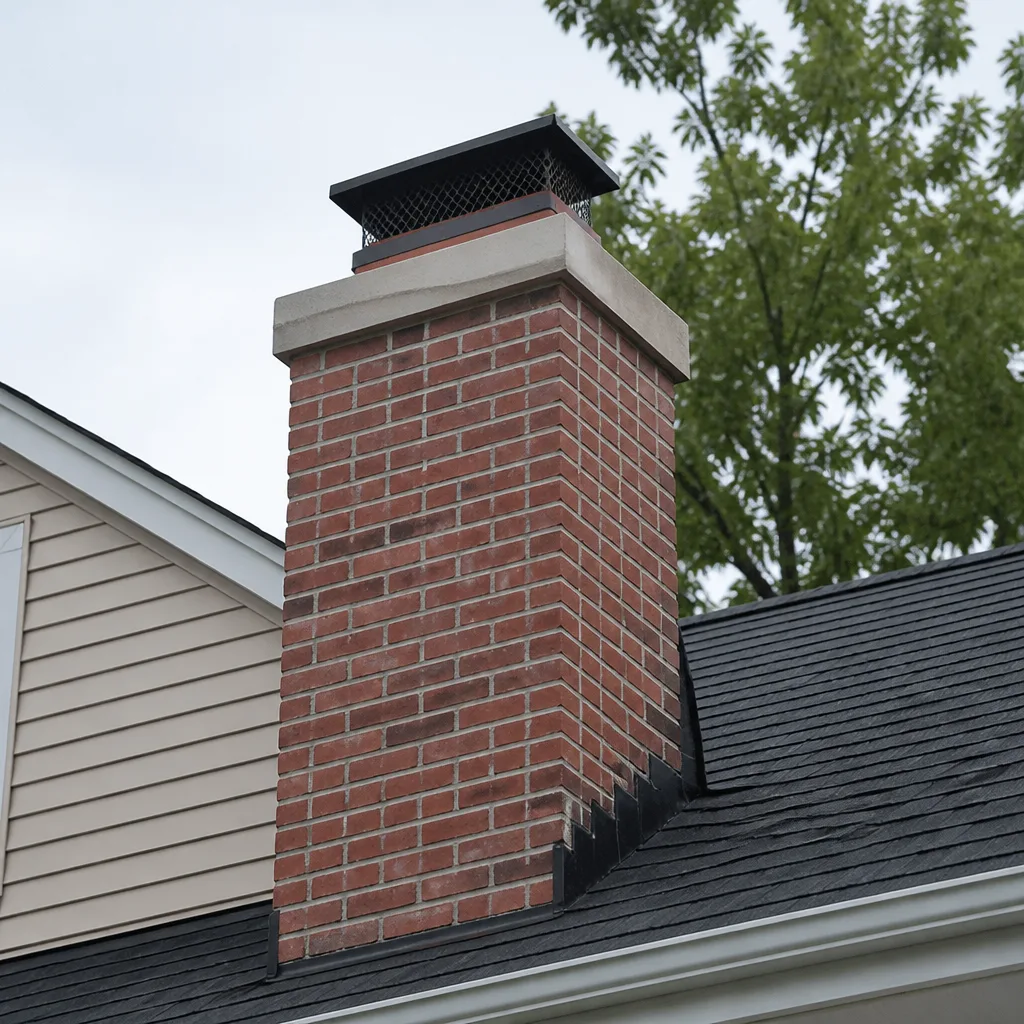 Masonry repair
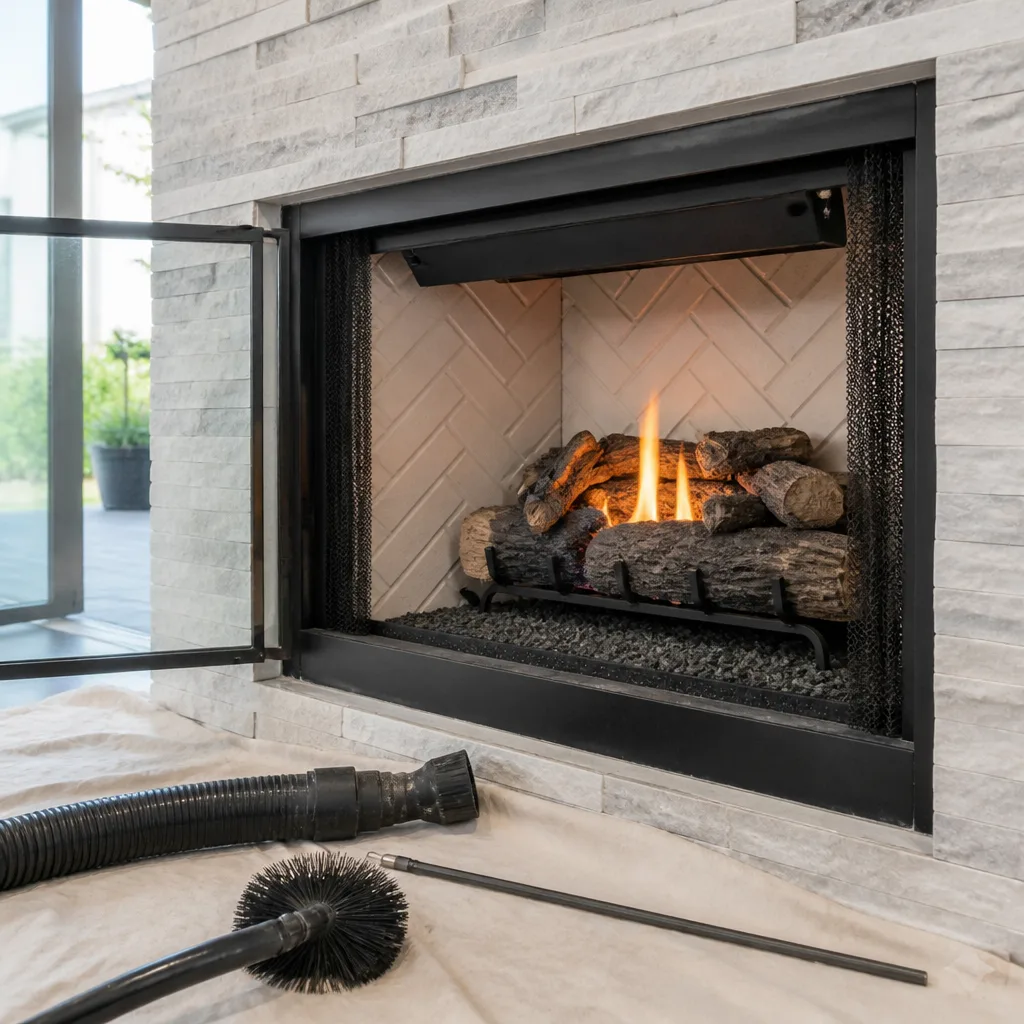 Gas fireplace service
Level 1 sweep and inspection to the NFPA 211 annual standard - flue, crown, cap, and flashing checked and photographed
Chimney sweep logs do not sweep chimneys. They loosen some creosote - which then falls where a brush and vacuum still have to collect it.
Chimney Cleaning Warning Signs: A Knoxville Homeowner’s Reference Guide
Most chimney problems don’t start with flames coming out the top. They start with something you’d walk right past: a faint smoke smell in a closed room, a chalky white bloom on the brick, a fire that just doesn’t pull the way it used to. Homeowners are trained to ignore minor nuisances, and that training is exactly what lets a small creosote buildup or a hairline liner crack turn into a real hazard. This guide teaches you pattern recognition, not panic. You’ll learn what each warning sign actually means, which ones can wait a season, and which ones mean you should stop burning and call today. We’ll tie the specifics to Knoxville’s humid summers and older housing stock, because those conditions shape what chimney trouble looks like here.
Quick Answer
The main chimney cleaning warning signs are a strong smoke or soot smell in a room with the fireplace closed, white efflorescence or dark staining on exterior brick, spalling or flaking masonry, a fire that smokes or draws poorly, and unusual sounds like popping or hissing during or after a burn. Any one of these points to creosote buildup, moisture intrusion, a liner problem, or an obstruction, and each warrants an inspection before your next fire. In Knoxville’s humid climate, exterior brick that stays damp and blooms white is one of the earliest signals that the flue liner behind it may be compromised.
Styles & brands we work with
- Sweep & inspection
- Caps & crowns
- Flue relining
- Masonry repair
- Gas fireplace service
Table of Contents
- Symptom-to-Cause Matrix: What Each Warning Sign Tells You
- The Closed-Fireplace Smoke Smell and What It Really Means
- White Efflorescence and Knoxville’s Humidity
- Cosmetic Staining vs. Active Moisture: The 48-Hour Test
- Why Your Fireplace “Just Doesn’t Draw Well Anymore”
- The Sounds That Mean Call Now, Not Next Season
- Reading Your Creosote: What a Sweep Actually Finds
- Inspection vs. Sweep: Which One You Actually Need
Symptom-to-Cause Matrix: What Each Warning Sign Tells You
Chimney symptoms fall into two families: things creosote does and things water does. Learning to sort a sign into the right family tells you whether you’re looking at a cleaning issue or a repair issue, and roughly how urgent it is. Here’s how the observable signs map to likely causes, based on what we look for during a Chimney Sweep Knoxville visit.
- Smoke or soot smell with the damper closed: Often a compromised flue liner, cracked crown, or a draft reversal pulling combustion gases back into the room.
- White chalky powder (efflorescence) on exterior brick: Moisture moving through the masonry, frequently from a failed crown, cracked flashing, or a liner that’s letting water vapor migrate through the brick.
- Dark, streaky staining near the top of the chimney: Creosote or soot escaping past a damaged liner joint or a poorly sealed flue collar.
- Spalling (flaking, crumbling) brick faces: Repeated freeze-thaw cycles pushing water out through the brick surface. The brick is the last thing to fail, so by the time it sheds, water has been getting in for a while.
- A fire that smokes into the room and draws poorly: A liner obstruction, a negative-pressure problem inside the house, or a flue that’s too cold to establish draft.
- Popping, hissing, or roaring sounds during a burn: Active chimney fire or a creosote deposit igniting. This is an immediate stop-burning call.
- Scratching or fluttering noises in the flue: An animal, nest, or debris obstruction. Structural risk is low but the flue is now blocked.
- Rust or corrosion on a metal firebox or damper: Long-term moisture in the system, which degrades metal parts and can weaken the liner over time.
Read this list once, then read your own chimney against it. Most Knoxville homeowners will recognize at least one item. The point isn’t to diagnose your own chimney over the phone, it’s to know whether the issue is likely cosmetic, a cleaning matter, or a repair that needs an inspection with a camera before you burn again. We can tell you exactly what we find and what it means before any work begins.
The Closed-Fireplace Smoke Smell and What It Really Means
A strong smoke smell in a room where the fireplace is closed, and has been closed for days, is not a draft problem. It’s often a compromised liner allowing combustion gases and soot to migrate through the masonry and into the living space. A chimney can produce carbon monoxide before it produces visible damage. That’s the part most homeowners don’t expect, and it’s why this particular warning sign moves to the top of the list.
Soot odor is distinctive: acrid, smoky, and worst on humid days or after a rain. When the fireplace is sealed off and you still smell it, something is allowing the smell to travel through a path that shouldn’t exist. The common causes we see:
- Hairline cracks or open joints in a clay tile liner, which let gases pass into the surrounding masonry.
- A cracked or deteriorated crown, the concrete cap at the top of the chimney, which lets water in and gases out.
- A missing or damaged cap, allowing rain and downdrafts to push flue gases back through the firebox.
- A rusted-out damper or firebox that no longer seals, so the firebox itself becomes a leak point.
- A flue that’s shared or improperly sized, which can reverse flow under certain weather conditions.
One test worth doing: open a window on the opposite side of the room, close the fireplace, and see if the smell changes. If it fades, you’re likely looking at a pressure issue rather than a liner leak. If it persists, the liner is the first thing we want to inspect with a camera. Either way, don’t light a fire until a professional has confirmed the flue is sound. Our team covers everything from the annual sweep to full relining with DuraFlex flexible liner systems, so if a liner is the problem, we can address it in the same visit rather than handing you off to a second contractor.
If you’re already smelling smoke with the fireplace closed, the safe move is to stop burning and schedule a full inspection. Call (877) 792-6481 to book one. We answer 24/7, and we dispatch technicians Sunday through Friday, 7am to 7pm, with same-day service when we can fit it.
White Efflorescence and Knoxville’s Humidity
White efflorescence on exterior brick is one of the earliest and most overlooked chimney warning signs, and Knoxville’s climate makes it worse. Our summers are humid enough that water entering a chimney doesn’t have much chance to dry out between storms. It stays in the masonry, dissolves salts from the brick and mortar, and pushes them to the surface as a white, chalky bloom. That bloom is a sign of moisture moving through the chimney, not just a cosmetic skin.
Here’s the important distinction. Efflorescence on the outside of the brick is sometimes harmless condensation, especially on a north-facing wall after a wet spring. Efflorescence that appears and then gets worse, or that’s concentrated high on the chimney, is telling you water is getting in from the top and traveling down through the flue. That water path almost always enters through one of four places:
- The crown, the concrete slab at the top of the chimney, which cracks as it ages and lets water seep down the flue.
- The cap, if it’s missing, loose, or undersized, which lets rain directly into the flue.
- Flashing at the roof line, which fails at the seam between chimney and roof.
- Cracked brick or mortar joints, particularly on the chimney’s weather-facing side.
Water and creosote are a bad combination. Moisture degrades the liner, and a degraded liner makes creosote buildup harder to sweep clean. What starts as a white bloom on the brick can become a liner problem within a couple of seasons if the water source isn’t sealed off. A chimney cap & crown inspection is usually the fast way to find out whether the problem is at the top. We install caps and crowns using professional-grade materials from brands like Copperfield and Olympia Chimney, and we’ll tell you plainly whether the current cap is doing its job or needs to be replaced.
Cosmetic Staining vs. Active Moisture: The 48-Hour Test
Not every stain is a repair. Some are cosmetic, showing a past leak that’s been fixed, and some are active, meaning water is entering the chimney right now. Before you schedule work based on a dark patch on the brick or a streak below the crown, run the 48-hour observation test. It’s simple, it costs nothing, and it separates the two cases clearly enough that you can decide what to do next.
- Day one, dry weather. Pick a stretch of 48 hours with no rain in the forecast. Photograph the stained area from a fixed spot, with the camera at the same height and distance you’ll use again.
- Day two, same angle. Take a second photo from the identical spot. Compare the two side by side. If the stain looks darker, wetter, or has spread, you have active moisture. If it’s identical, the stain is old and the problem is likely historical.
- Check after a rain. Take a third photo after the next meaningful rain. A stain that darkens or grows after rain confirms water is entering from above, usually the crown or flashing.
- Look for white bloom. If fresh efflorescence appears near the stain during the observation window, the moisture is still active, regardless of what the stain itself does.
A static stain with no bloom and no change after rain is cosmetic, and it doesn’t require urgent work. You may want to clean and seal it eventually, but the chimney isn’t in danger because of it. A stain that’s growing, blooming, or changing after rain is a moisture-intrusion issue, and the priority becomes finding and sealing the entry point. If the 48-hour test shows an active stain, the culprit is usually at the top of the chimney. An inspection with a camera and a photo report will show you exactly where the water is coming in, so you’re not guessing.
Why Your Fireplace “Just Doesn’t Draw Well Anymore”
A fireplace that used to draw fine and now smokes, smolders, or pushes smoke into the room is not a case of the flue being “designed wrong.” Something changed. The flue itself rarely changes shape. What does change is either the amount of obstruction inside the flue, the negative pressure inside the house, or the condition of the liner. In our experience, the most common causes break down this way:
- Obstruction inside the flue. Creosote buildup at the smoke shelf or damper, a bird nest, leaves, or a dislodged tile can all block airflow. The fire burns cooler, smokes more, and deposits more creosote, which makes the flue even tighter. That’s how a slow draft problem becomes a serious creosote problem in a single season.
- Negative pressure in the house. A newly installed kitchen exhaust fan, a tightly sealed house, or a top-floor HVAC return can pull air out of the living space faster than the fireplace can replace it. When the house is under negative pressure, the chimney becomes the intake path, and smoke comes into the room.
- A damaged liner. Cracks or gaps in a clay liner change how the flue draws. Even a small breach near the smoke chamber can cause a fire to smell smoky in the room without actually smoking visibly.
- A cold flue. A flue that hasn’t warmed up yet won’t establish draft. This is a common issue on cold Knoxville mornings, and it usually resolves itself once the fire heats the flue. If it doesn’t resolve, the flue isn’t the problem, the obstruction is.
Before assuming the fireplace is “just like that,” get a proper inspection. A sweep with a camera will tell you whether the issue is buildup, a broken tile, an animal nest, or a pressure problem. If it’s buildup, a chimney sweep solves it, and the draft will often come back to normal the same day. If it’s a broken tile or a collapsed section of liner, you may be looking at relining, which is a bigger job but one we handle in-house with HeatShield restoration or a DuraFlex system.
The Sounds That Mean Call Now, Not Next Season
Most chimney warning signs can wait for a scheduled appointment. A small handful cannot. These sounds mean you should stop burning immediately, put the fire out if it’s safe to do so, and call for an inspection before you light another fire.
- Popping or crackling that sounds like a mini-fire inside the flue. This is often the sound of creosote igniting. It doesn’t always produce visible flames out the top, and that’s what makes it dangerous. A chimney fire can burn out inside the flue in minutes and leave cracks in the liner behind it.
- Hissing or a low roar. Same family of causes, often a hotter fire than a pop. Treat it as a chimney fire until proven otherwise.
- Scratching, fluttering, or chirping. Animals and birds in the flue. The structural risk is low, but the obstruction is real. A blocked flue is a carbon monoxide risk every time you burn.
- A strong draft or whistling at the damper. Usually a sign the flue is drawing too hard, which is a pressure issue but also a sign the liner may be exposed to more heat than it was designed for.
After any suspected chimney fire, the flue needs a full inspection, not just a sweep. Cracks that form during a fire are invisible from the firebox and won’t show themselves until the next fire pushes smoke through them. If you’ve heard popping or roaring and you’re not sure what happened, stop burning and book an inspection. Call (877) 792-6481. We answer 24/7, and we dispatch Sunday through Friday, 7am to 7pm.
Reading Your Creosote: What a Sweep Actually Finds
Chimney sweeps don’t just sweep. What they find inside the flue tells you how your fireplace is burning, and the type of creosote determines whether a standard sweep is enough or whether more serious work is needed. Homeowners who understand this can make better decisions about how often to schedule service and what to change about how they burn.
The two things a sweep looks at first are the creosote deposit and the liner condition. Creosote comes in three forms, and each one means something different:
- Stage 1: flaky, soot-like deposits. The easiest to sweep and the sign of reasonably clean burning. A standard sweep handles it.
- Stage 2: hard, crusty deposits that stick to the flue wall. The result of cooler, smoldering fires or unseasoned wood. Sweeping can remove most of it, but the flue may need more attention.
- Stage 3: glazed, tar-like deposits. The most dangerous form, and the hardest to remove. A standard sweep won’t remove it. This is where liner restoration with HeatShield or full relining becomes the conversation.
Alongside the creosote, a sweep examines the liner itself. Cracks, gaps, missing mortar at the joints, and spalling clay tile are all visible with a camera. A liner that’s still sound just needs a sweep. A liner that’s cracked or has failed joints needs restoration or relining, because a compromised liner is the pathway for combustion gases to enter the home.
During the inspection we also check the firebox and damper, the crown and cap, and the flashing at the roofline. We work with a full roster of professional-grade chimney brands, including Gelco and Famco for repair materials, so the parts we install are the same ones specified by certified chimney professionals. That matters when a repair is needed, because it means the fix is not a temporary patch but a proper restoration.
If it’s been more than a season since your last sweep, or if you’ve been burning unseasoned wood, get the flue checked. A fireplace repair is often cheaper than a full relining, but only if the problem is caught before it spreads.
Inspection vs. Sweep: Which One You Actually Need
The two services are related but not the same, and the warning signs you’re seeing should determine which one you book. A sweep is a cleaning service. An inspection is a diagnostic service. In Knoxville, we see homeowners book a sweep when a warning sign points to a repair, and that’s how issues get missed for another season.
- Book a sweep if: You burn regularly, it’s been a season or more since the last cleaning, you notice soot falling or buildup visible at the damper, and you don’t have any specific warning signs like smoke smell or efflorescence.
- Book an inspection if: You have any of the warning signs in this guide, you’ve had a chimney fire, you’ve just moved into a home with a fireplace of unknown history, or a sweep found something that needs a closer look.
- Book both if: You’re due for a sweep and you also have a symptom. A sweep plus a camera inspection is the standard combination for a chimney that’s showing any warning sign at all.
At Chimney Sweep Knoxville we treat inspection as the starting point, not an upsell. A sweep without a camera inspection misses cracks and gaps that only show up under a camera’s view. We document what we find with photos so you can see the same thing we see, and we’ll tell you honestly when work can safely wait. If everything comes back clean, you’ll hear that too.
The reason this distinction matters: the majority of costly chimney repairs we see started as something a homeowner intended to “get to next season.” A small crown crack is a straightforward repair. Left alone, it becomes a liner problem, and a liner problem becomes a structural issue. The cost curve doesn’t flatten. It climbs. Scheduling the right service at the right time is the single best way to keep chimney work in the affordable range.
How Knoxville’s Humidity Changes the Warning Signs
Chimney problems in Knoxville look different from chimney problems in a dry climate, and the warning signs you should watch for shift with the seasons. Our humid summers mean moisture has little opportunity to dry out of the masonry, and our mild winters mean chimneys that go a full season between uses without a proper drying cycle.
- Summer efflorescence. The white bloom on exterior brick is at its worst in July and August, when humidity is highest. A chimney that shows no bloom in January can bloom heavily by mid-summer, and that bloom is a signal, not a cosmetic issue.
- Slow sweeps after a wet winter. Moisture in the flue softens creosote and makes it harder to remove cleanly. A wet flue also hides cracks that a dry flue would show. If your last burn season was damp, a sweep plus inspection is the safer call.
- Spring pollen and debris. Knoxville’s spring brings pollen that collects on the crown and cap and, over time, pushes into the flue. A cap with a proper mesh screen prevents most of it.
- Fall burning after a dormant summer. A chimney that hasn’t been used since March is the one most likely to have a blocked flue from birds or debris. The first fire of the season is when carbon monoxide problems most often show themselves.
- Negative pressure in newer, tighter homes. Modern Knoxville construction is more airtight than older homes, and tighter houses are more prone to negative pressure that pulls smoke back into the living space.
We do adjust our inspection emphasis by season. Late summer and early fall are when we look hardest at the cap and crown, because that’s when the moisture damage from the wet season is most visible. Winter inspections focus more on liner condition after months of regular burning. Either way, the goal is the same: find the problem before it becomes a fire or a structural failure.
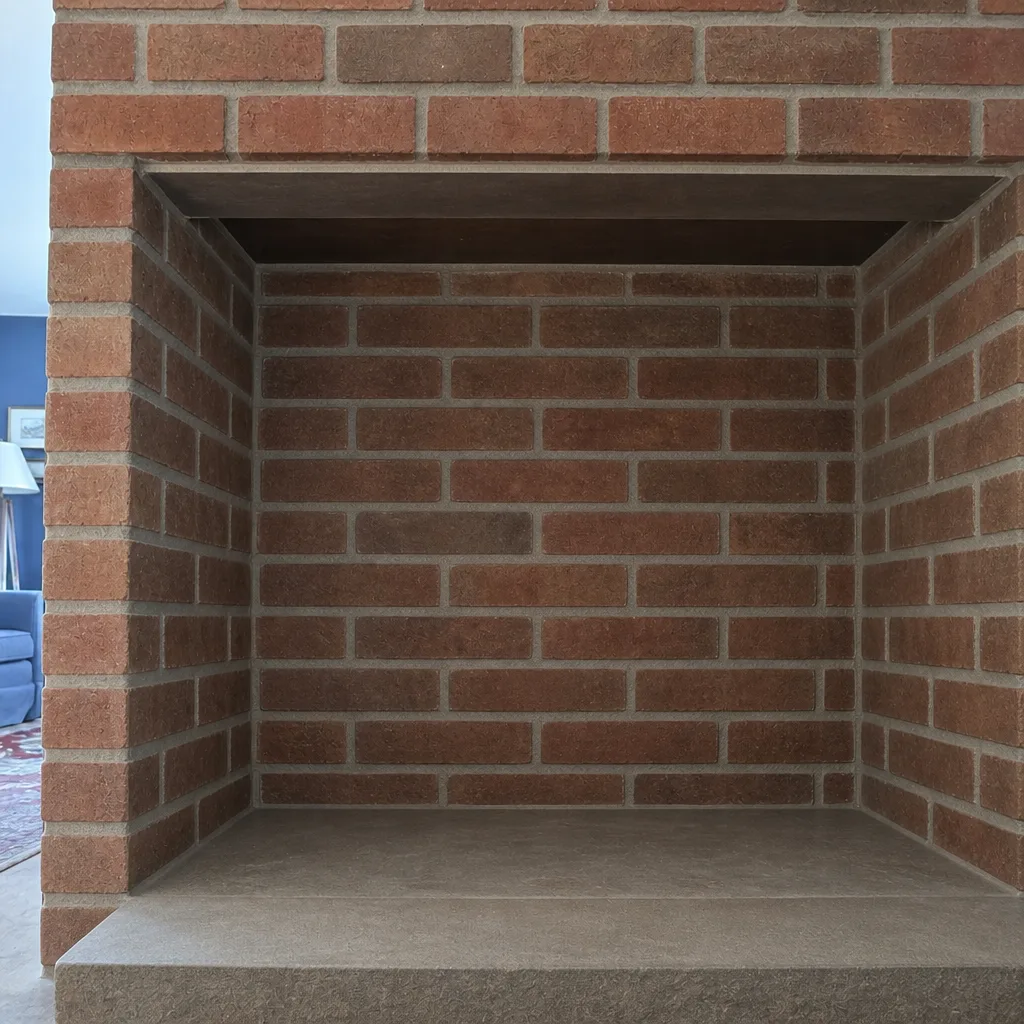
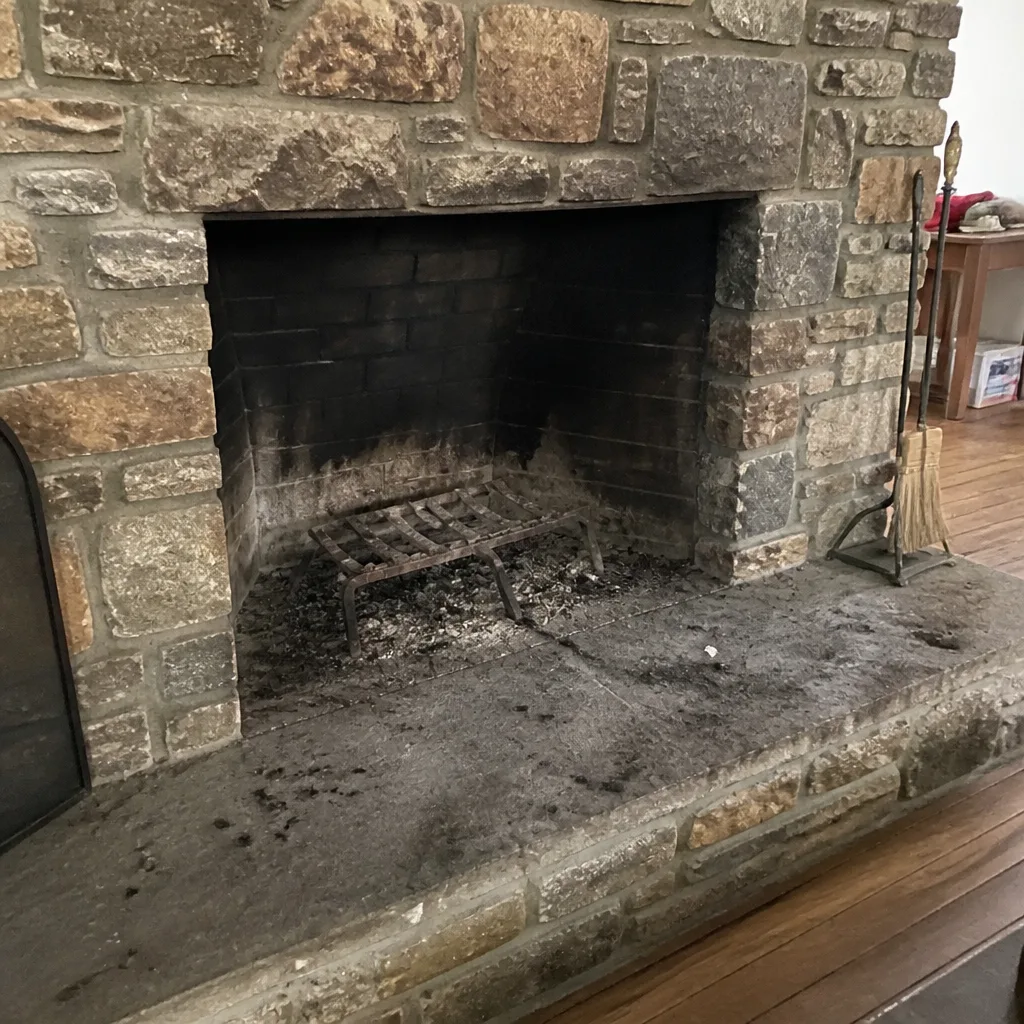
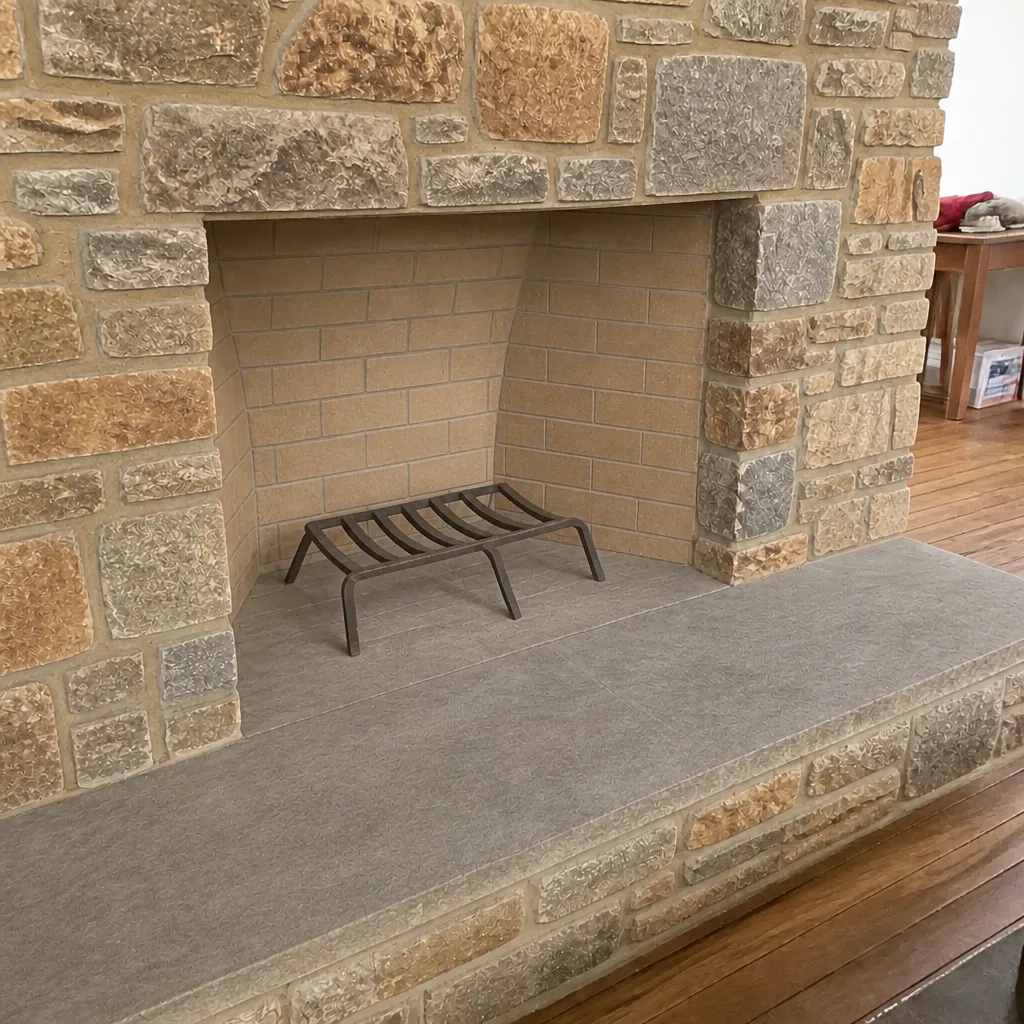
See the difference
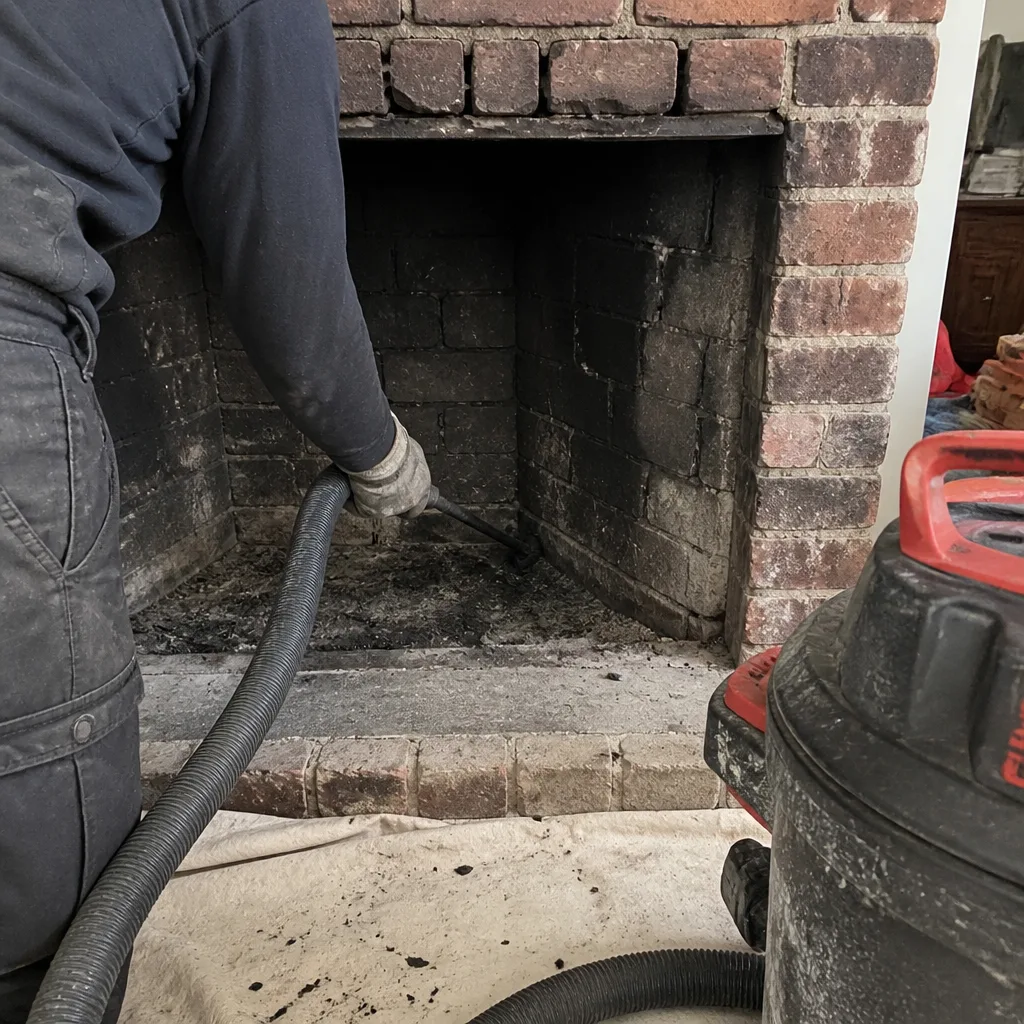 Before
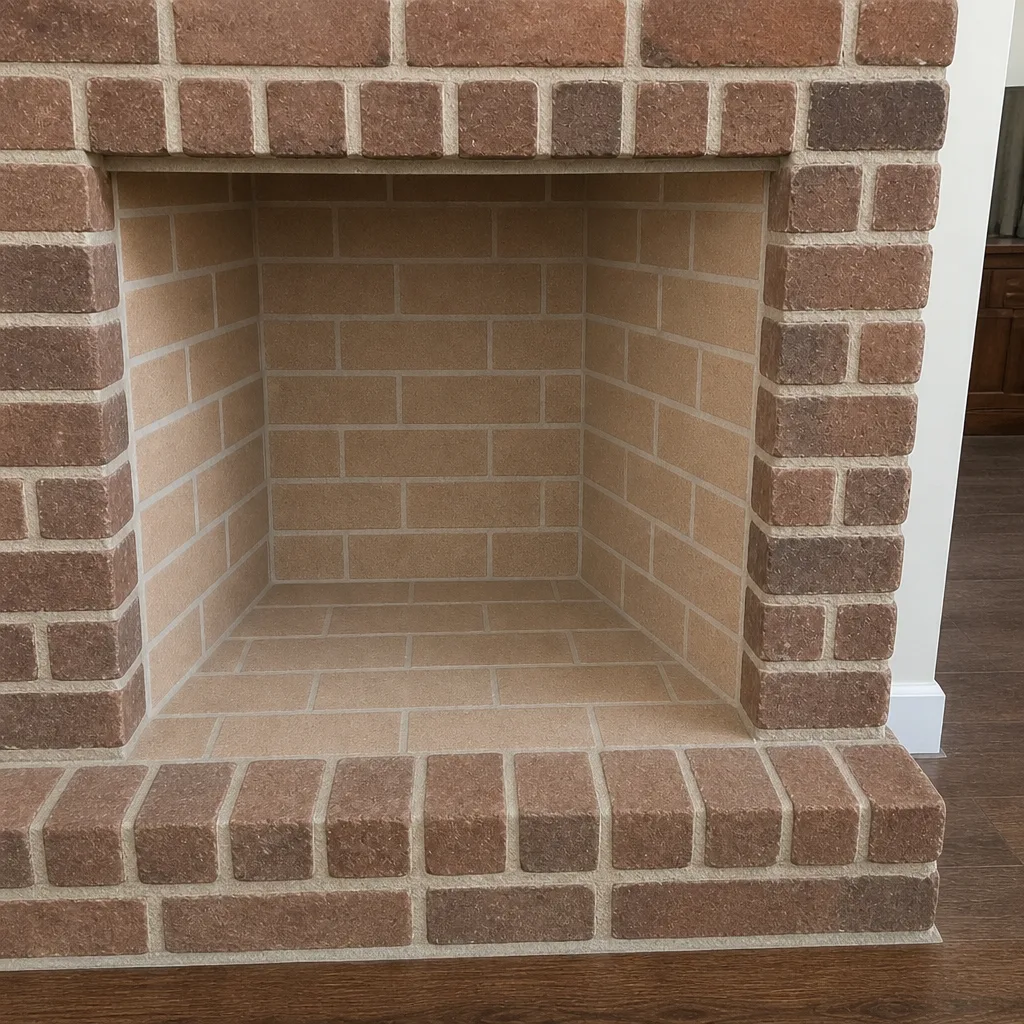 After
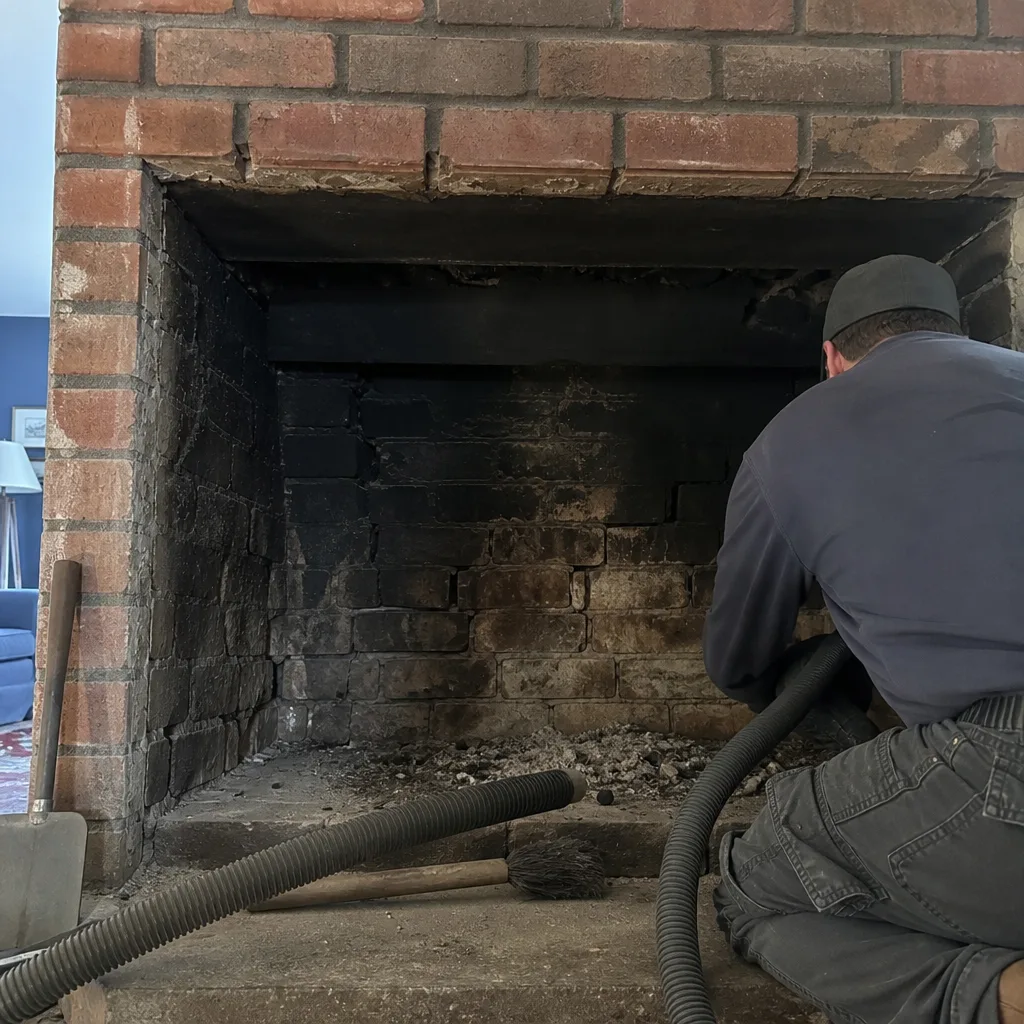 Before
 After
 Before
 After
Common Mistakes to Avoid
- Treating a smoke smell in a closed room as a draft problem. A persistent smoke smell with the fireplace closed is more often a liner or crown issue than a threshold or pressure issue. Getting a camera inspection first saves time and rules out the dangerous cause before you spend money on small fixes.
- Assuming white powder on brick is just mineral bloom. Efflorescence is a moisture indicator, not just a stain. If it’s growing or repeatedly returns after cleaning, water is actively entering the chimney and a cap and crown inspection is due.
- Booking a sweep when a warning sign calls for an inspection. A sweep cleans a chimney, an inspection diagnoses it. If you have a symptom, ask for the inspection.
- Ignoring popping or roaring during a burn. A chimney fire doesn’t need visible flames out the top to be serious. After any popping or roaring, the flue needs a full camera inspection before the next fire.
- Burning unseasoned wood in humid months. Knoxville’s humidity makes it harder to dry wood properly, and wet wood deposits creosote faster. Stick to well-seasoned wood and a hot fire rather than a smoldering one.
- Assuming a newer house doesn’t need inspection. A chimney in a newer home still has a flue, a cap, a crown, and a firebox. All of those are subject to the same conditions, and negative pressure can make a newer home’s fireplace draw worse than an old one.
- Putting off a repair until “next season.” A small crown crack or a hairline liner breach is a low-cost repair now. Deferred, it becomes a liner replacement or structural repair. The warning signs in this guide are your chance to stay on the cheap end of that curve.
When to Call a Professional
Call a professional if you’re seeing any of the warning signs in this guide: a smoke smell in a closed room, white efflorescence on exterior brick, a fire that doesn’t draw, or any popping or roaring sounds during a burn. Call immediately, before lighting another fire, if you’ve had a chimney fire or if the flue sounds active. Call before the first fire of the season if you haven’t had the chimney inspected in a season or more. And call if you’ve just moved into a home with a fireplace whose history you don’t know.
Chimney Sweep Knoxville offers free estimates in Knoxville. Call (877) 792-6481. We answer 24/7, and we dispatch technicians Sunday through Friday, 7am to 7pm, with same-day service when available. Every job starts with a camera inspection and a photo report, so you see what we see before any work begins, and we’ll tell you plainly when a repair can wait.
Frequently Asked Questions
A smoke or soot smell in a room where the fireplace is closed. It’s easy to write off as a draft or a lingering smell from the last fire, but when it persists for days, it usually points to a compromised liner letting combustion gases migrate through the masonry. That’s a carbon monoxide risk before it’s a visible damage problem, and it’s worth an inspection. Call (877) 792-6481 to book one; estimates are free.
Not dangerous by itself, but it’s a moisture signal. Efflorescence means water is moving through the masonry and carrying salts to the surface. In Knoxville’s humid climate, that moisture rarely has a chance to dry out on its own, and prolonged moisture degrades the liner over time. If the white bloom is growing or keeps coming back after cleaning, the water source (usually the crown or cap) needs to be found and sealed. Call (877) 792-6481 for an inspection.
For most homeowners who burn regularly, once a year is the standard. If you burn heavily, burn unseasoned wood, or have a wood stove rather than an open fireplace, more frequent sweeping is worth it. The warning signs in this guide can override that schedule. If you’re seeing any of them, don’t wait for the annual sweep. Call (877) 792-6481 for a same-day inspection if one is available.
Not beyond the firebox. The flue itself needs a proper sweep with the right brushes and a camera to check the liner. Removing creosote from the flue without inspecting the liner risks missing cracks and gaps that would need repair. Sweeping without confirming the liner is sound can leave a damaged flue in place. Call (877) 792-6481; we’ll inspect first and tell you what we find.
Stop burning and book an inspection. Popping and hissing during a fire often mean creosote is igniting inside the flue, which is a chimney fire. It can burn out on its own without visible flames, leaving cracked tiles behind. The flue needs a full camera inspection before you light another fire. Call (877) 792-6481. We answer 24/7, and we dispatch Sunday through Friday, 7am to 7pm.
Somewhat, yes. Humid air is heavier, and a cold, damp flue takes longer to establish draft. What’s not normal is a fireplace that used to draw fine and now consistently smokes or pushes smoke into the room. That’s usually an obstruction, a liner problem, or negative pressure in the house. If the problem persists across more than a fire or two, get an inspection. Call (877) 792-6481 for an estimate.
The Bottom Line
Chimney warning signs are almost always visible before they become dangerous, but they’re easy to ignore because they look like minor nuisances. A smoke smell, a white bloom on brick, a fire that doesn’t draw, a popping sound during a burn: each one is a pattern, and each pattern has a likely cause. Learn the pattern, and you’ll know when to clean, when to repair, and when to stop burning and call. In Knoxville’s humid climate, moisture is the warning sign most often missed, and it’s the one with the longest repair curve. Notice it early and the fix stays small.
Call (877) 792-6481 for a free estimate. We answer 24/7, and we dispatch technicians Sunday through Friday, 7am to 7pm. Every job starts with a camera inspection and a photo report, using the same professional-grade materials chimney specialists rely on, including DuraFlex, HeatShield, Gelco, Olympia Chimney, Famco, and Copperfield.
Written by the team at Chimney Sweep Knoxville.