
Last updated November 25, 2026
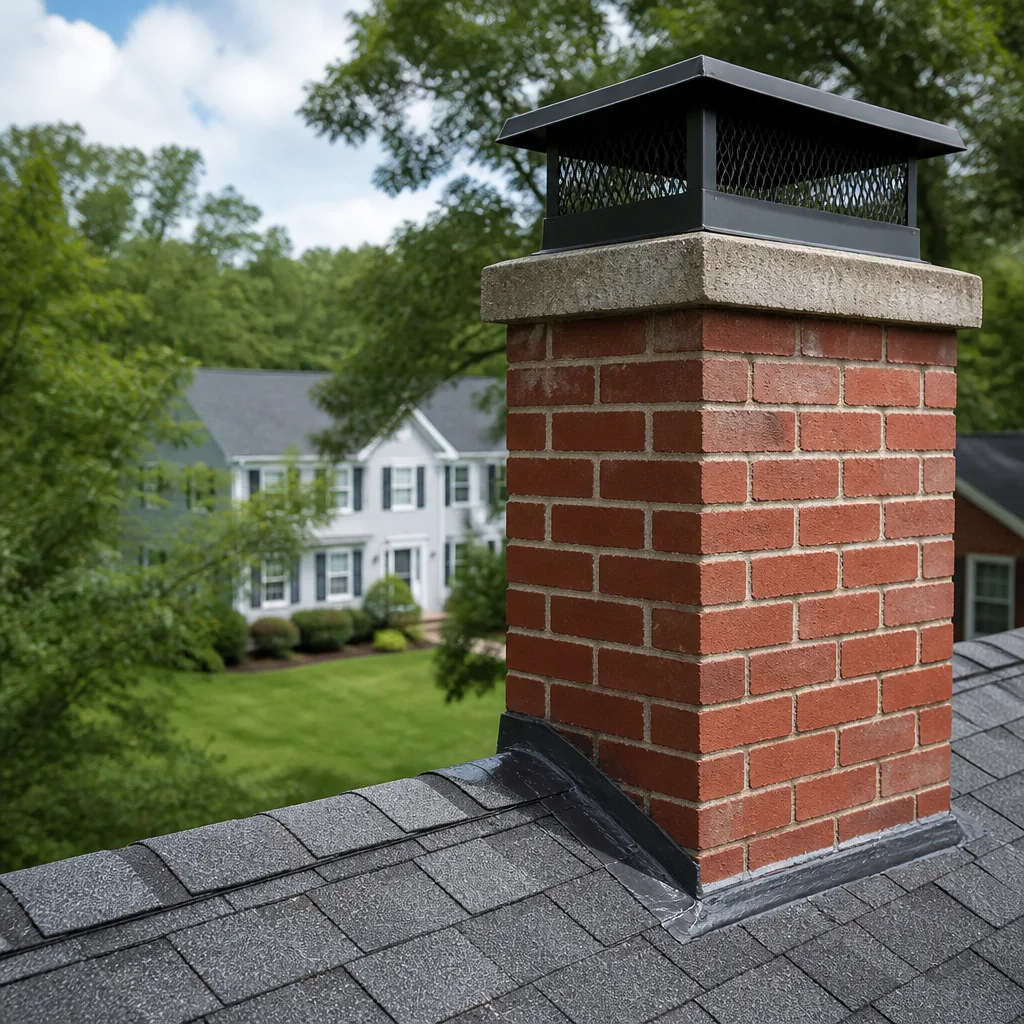 Sweep & inspection
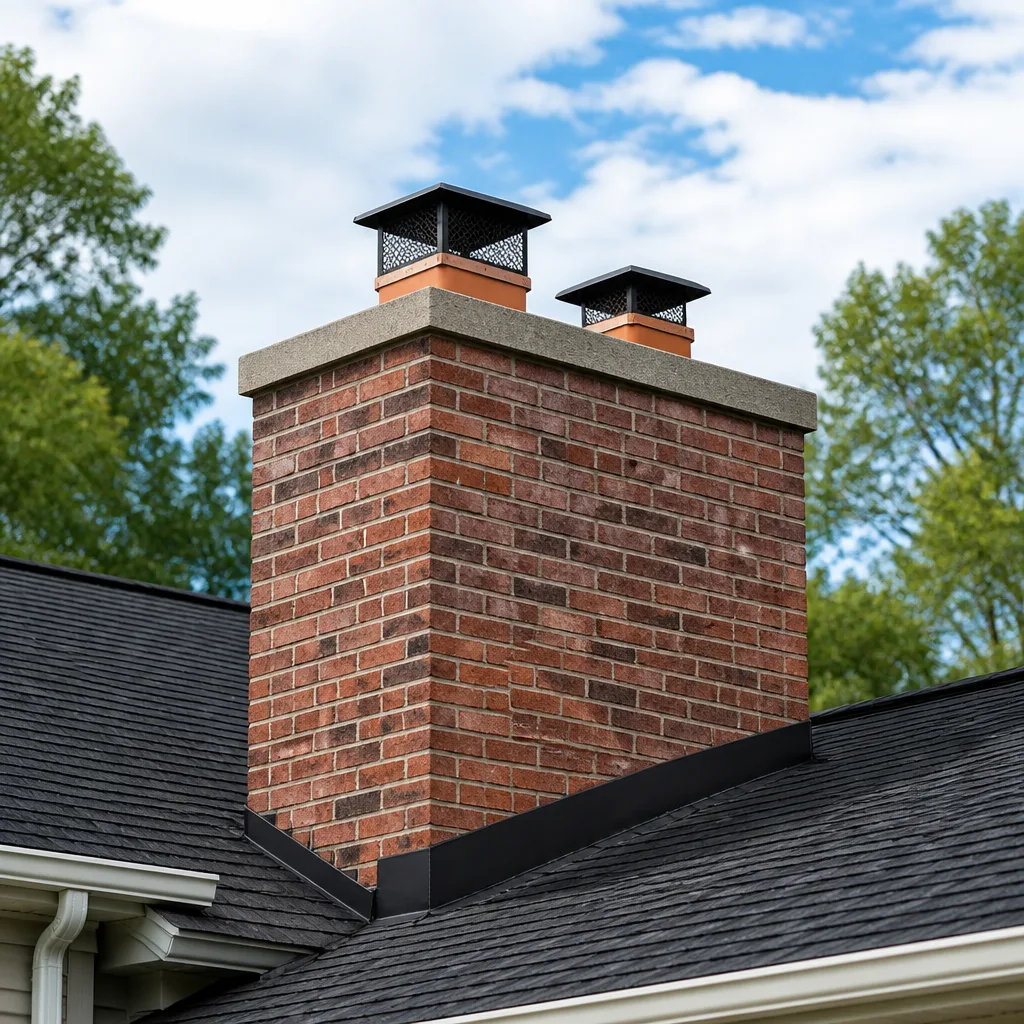 Caps & crowns
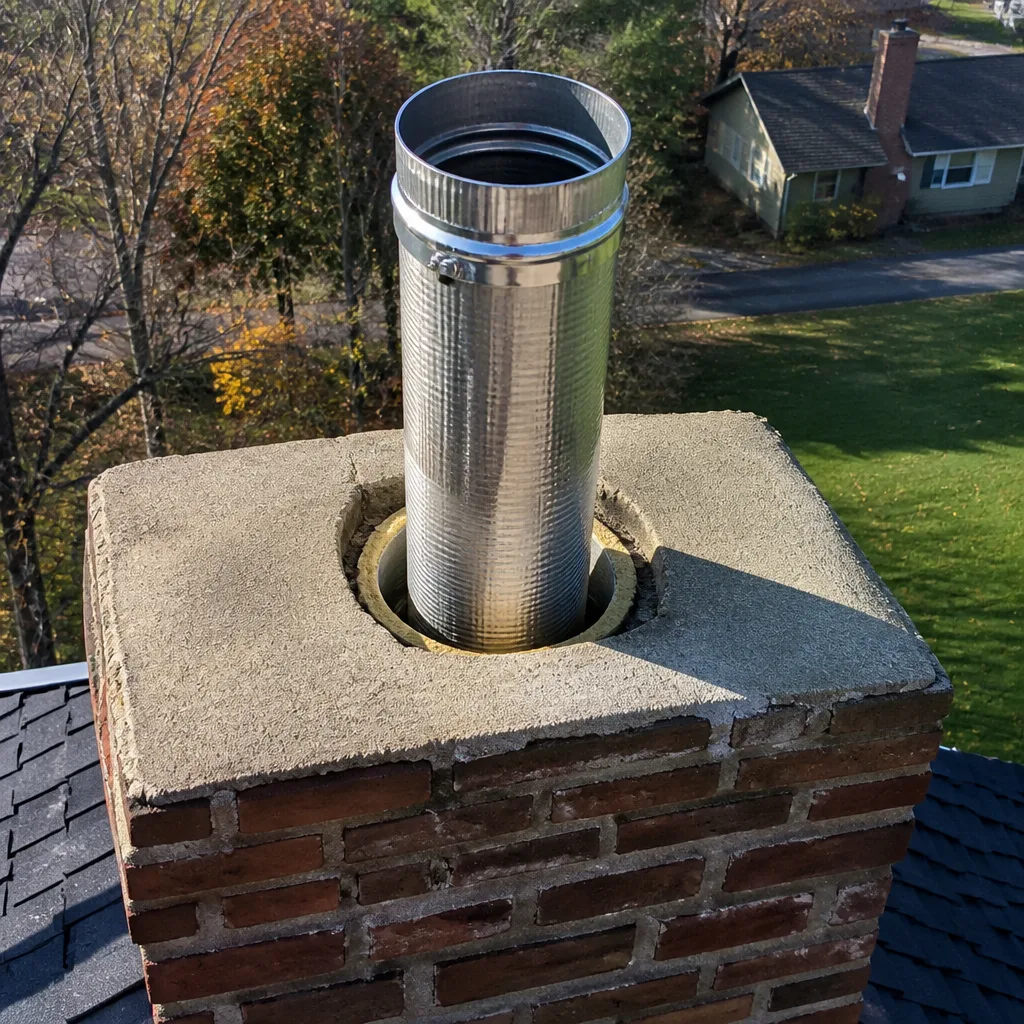 Flue relining
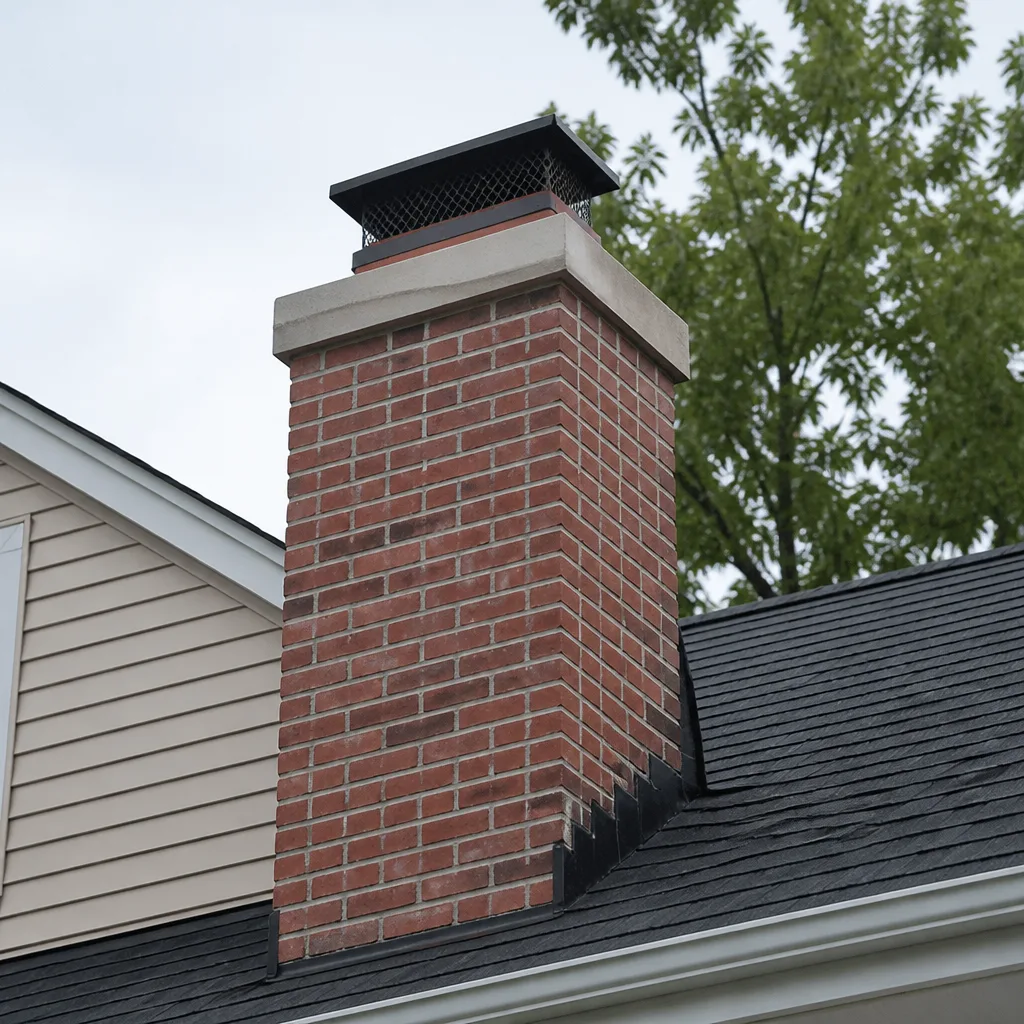 Masonry repair
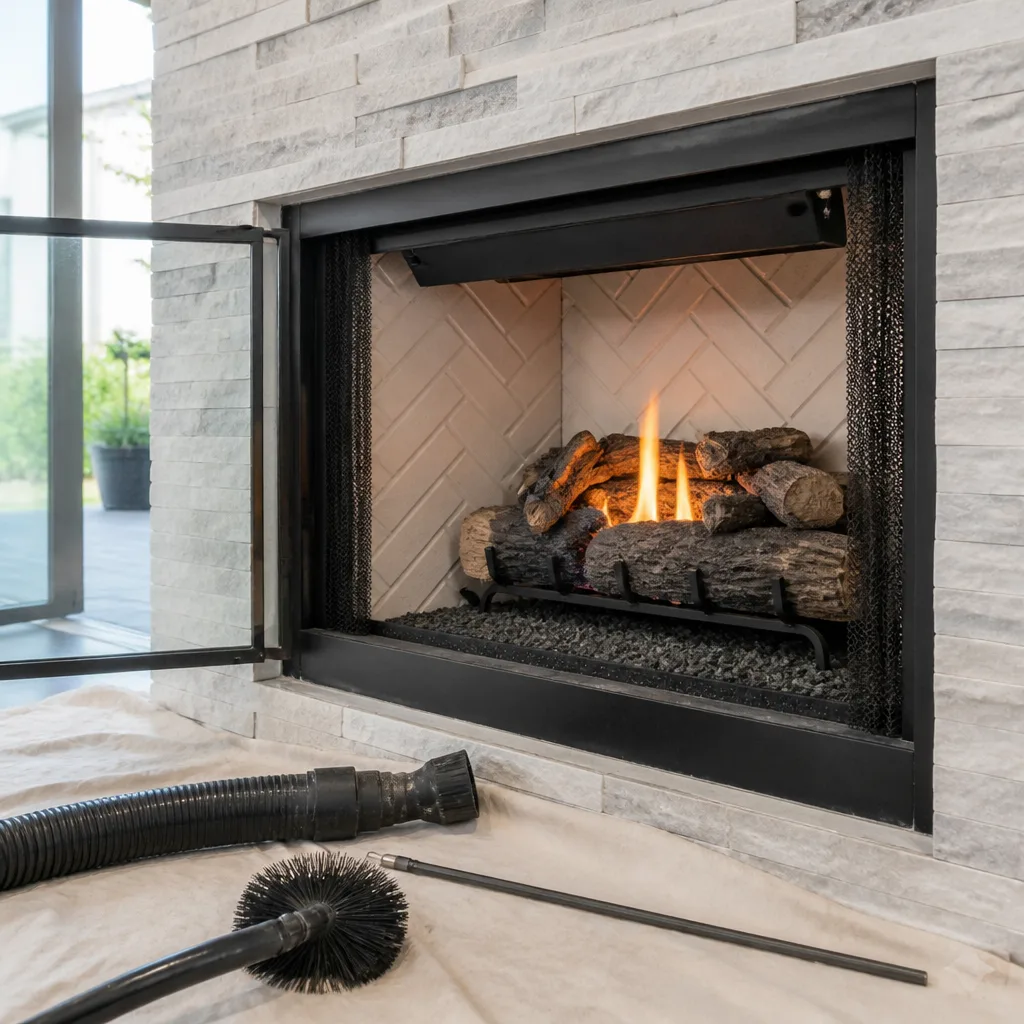 Gas fireplace service
Level 1 sweep and inspection to the NFPA 211 annual standard - flue, crown, cap, and flashing checked and photographed
Chimney sweep logs do not sweep chimneys. They loosen some creosote - which then falls where a brush and vacuum still have to collect it.
Chimney Cleaning Cost Breakdown: The Knoxville Homeowner’s Reference for 2026
A $99 chimney sweep in Knoxville and a $299 chimney sweep in Knoxville are not the same service with a different price tag. In most cases they’re scoped so differently that they don’t even inspect the same components. One may run a brush down the flue and hand you a receipt; the other includes a camera that looks at every joint in the liner, a written report of what it found, and a technician who can tell you whether the fire you build next winter is safe. The word “sweep” covers both. That’s the problem. This guide decodes every line item in a chimney service invoice so you can tell a genuinely thorough bid from a thin one, and know what each should cost in Knoxville in 2026.
Quick Answer
A standard chimney sweep in Knoxville typically runs $150 to $290 in 2026, and a Level 1 inspection is usually included in that price. A Level 2 video inspection with a camera run through the flue typically adds $100 to $225, and most repairs – cap replacement, crown repair, flashing re-seal – fall between $175 and $850 depending on scope. The written estimate sets the final price, and the same company that finds a problem can fix it.
Styles & brands we work with
- Sweep & inspection
- Caps & crowns
- Flue relining
- Masonry repair
- Gas fireplace service
Table of Contents
- Line-Item Cost Breakdown for Every Standard Service
- What Drives Price Variation Within the Same Service
- The True Cost of a Discount Sweep
- Which Repairs Are Cheaper When Bundled With a Cleaning
- Level 1 vs. Level 2: What You’re Actually Paying For
- What Homeowner’s Insurance Covers in Tennessee
- How a Proper Sweep Actually Works
- Why Knoxville Chimneys Present Specific Cost Realities
Line-Item Cost Breakdown for Every Standard Service
Most homeowners compare one number against another number and assume they’re comparing the same thing. They aren’t. Here’s what each service in the chimney trade actually includes, and what it typically costs in the Knoxville market in 2026.
| Service | Typical 2026 Knoxville Range | What It Includes |
|---|---|---|
| Standard sweep (wood-burning) | $150 – $290 | Brush and vacuum of the flue, firebox clean-out, Level 1 visual inspection, basic written report |
| Gas or pellet appliance sweep | $140 – $250 | Appliance-specific cleaning, vent check, visual inspection |
| Level 1 inspection (standalone) | $90 – $175 | Visual check of accessible components, no camera |
| Level 2 video inspection | $225 – $425 | Camera run through the full flue, photo or video record, written report |
| Cap replacement | $175 – $475 | Removal of old cap, new stainless or painted cap fitted and sealed |
| Crown repair (cracked crown) | $275 – $850 | Crown rebuild, sealing, or overlay depending on damage extent |
| Flashing re-seal | $225 – $575 | Removal of failed sealant, fresh flashing seal at the roof penetration |
| Firebox or damper repair | $200 – $700 | Depends on whether repair is masonry parging or a damper replacement |
These are typical ranges for the Knoxville market, not a quote. Two houses on the same street can land at the low and high ends of a range because one has a straight flue with easy roof access and the other has an offset and two connections. The written estimate after an on-site look is what sets your final price. Nothing is recommended without evidence you can see for yourself.
The ranges above are for a residential chimney that’s been maintained. A chimney that hasn’t been swept in several years, or one that’s been through a chimney fire, can land above the top of a given range because the work involves more than a simple cleaning.
What Drives Price Variation Within the Same Service
The same service on two different houses can come in at wildly different prices. The four factors below explain almost all the spread you’ll see between quotes for the same nominal job in Knoxville.
Chimney height and roof pitch
A chimney that rises well above the roofline on a steep pitch takes more setup and more care than a short stack on a low roof. A technician who has to set up on a steep pitch will take more time, and that time shows in the price. Two-story chimneys also involve more flue footage to sweep.
Number of flues
A single-flue chimney with one fireplace is straightforward. A chimney with two or three flues (say, one for the fireplace and one for a furnace or wood stove) means each flue is a separate sweep with its own brush, its own inspection, and its own line on the estimate. Expect the price to move up by roughly the cost of an additional sweep for each additional flue that needs cleaning.
Degree of creosote buildup
Creosote is the residue left behind by wood smoke, and it comes in three stages. Light, powdery creosote sweeps off with a standard brush. A thicker, crustier layer takes more passes and more time. Glazed, hardened creosote – the kind that builds up from restricted air flow over multiple seasons – is the most expensive to remove because it can’t just be brushed off; it has to be chemically treated and re-swept. In our experience, the single biggest reason a Knoxville sweep runs higher than expected is that the chimney has gone multiple seasons without a sweep and the creosote has hardened.
Liner access and condition
An offset or a bend in the flue is normal. A flue that’s partially blocked by a displaced tile or a collapsed liner section complicates both the sweep and the inspection, and may push you from a standard sweep into a scope that includes relining. That’s not upselling. That’s identifying a real defect. The chimney sweep process always includes an inspection of that flue, and the scope of the inspection matches what the flue actually needs.
The True Cost of a Discount Sweep
A discount sweep is cheap because it does less. The question is whether “less” is a problem for your house. Sometimes it isn’t – a chimney that was swept two seasons ago and has only been lightly used doesn’t need a camera run every single year. But sometimes it is, because the thing a discount sweep skips is the thing that finds a liner defect before it becomes a chimney fire or a carbon monoxide problem.
Here’s the arithmetic most homeowners never see. A liner defect caught during a more thorough service is a relining job with a known scope. A liner defect caught after it has burned through the chimney wall is a structural repair that may involve the surrounding framing. The gap between those two outcomes is many multiples of the difference between a thorough sweep and a thin one.
The specific mechanism is the camera. A Level 2 video inspection runs a camera down the full length of the flue and shows you the liner’s condition joint by joint. A discount sweep that skips the camera cannot see a hairline crack in a clay tile or a separated seam in a metal liner. The technician doesn’t know it’s there, and neither do you. Meanwhile the fire burns next winter on top of it.
We’re not going to tell you that a camera inspection is required every time. If a chimney was fully inspected two years ago, has been lightly used, and is being swept by the same company that inspected it, a Level 1 visual may be entirely appropriate. What we will tell you is that when you compare a $99 quote against a $250 quote, make sure the $250 quote isn’t just the $99 quote plus $151 of markup. Look at what each bid includes on paper. If the cheaper one doesn’t include an inspection at all, you’re not comparing two sweeps. You’re comparing a sweep to a sweep, and one of them is doing half the job.
A trustworthy technician will tell you plainly when something can wait. If the flue is clean, the cap is intact, and the liner is sound, we say so. If nothing needs doing this year, the correct answer is to book you for next season and get out of your way. That’s the whole point of the camera evidence – you’re not being asked to take it on faith.
Which Repairs Are Cheaper When Bundled With a Cleaning
Almost every common chimney repair is cheaper when it’s done during the same visit as a sweep. The reason is mechanical, not promotional. The technician is already on the roof, the drop cloths are already down, and the setup cost – which is real labor – doesn’t have to be paid twice. Here’s how the bundles sort themselves out.
- Cap replacement with a sweep. Almost always cheaper together. A cap that’s been sitting on the chimney for years is often seized or rusted, and the same trip that handles the sweep handles the swap. A chimney cap & crown job in Knoxville is most cost-effective when it’s planned alongside the cleaning.
- Crown repair with a sweep. Yes, bundle this. Cracked crowns let water in, and water is what actually destroys chimney masonry in this climate. Catching a cracked crown during a sweep is the cheapest possible version of the repair.
- Flashing re-seal with a sweep. Bundle it. A technician on the roof for a sweep can re-seal flashing in the same visit.
- Firebox parging with a sweep. Bundle it if the parging is minor. Larger firebox rebuilds or damper replacement may need their own appointment and the scope needs to be confirmed in writing first.
- Full relining with a sweep. Sometimes. A liner job is its own scope and its own day, but scheduling the inspection and the relining back-to-back saves a return trip. DuraFlex flexible liner systems and Copperfield rigid systems are both common solutions depending on the flue architecture.
When you call, ask directly which items can be handled in one visit and which need a separate appointment. A company that’s doing the work itself can answer that in one conversation. The same company that finds the problem is the one that fixes it, and that’s a cost advantage most homeowners don’t think about – no handoff, no second setup fee, no re-explaining the problem to someone new.
Level 1 vs. Level 2: What You’re Actually Paying For
The chimney trade uses a three-level inspection framework, and knowing it will make you a smarter comparison shopper. Here’s how the levels work and when each applies.
- Level 1 – Visual inspection. Covers all accessible parts of the chimney from the ground, the firebox, and the roof. No camera. This is the level included in most standard sweeps. It’s appropriate when the appliance and chimney are unchanged and being used as intended.
- Level 2 – Video inspection. Adds a camera run through the full length of the flue. Provides video or photographic documentation. Required in the trade when a property changes hands, when an appliance is changed or replaced, after a chimney fire or seismic event, or when there’s evidence of a problem the visual inspection can’t resolve.
- Level 3 – Diagnostic inspection. Involves accessing concealed areas of the chimney, which may mean removing parts of the chimney structure. Reserved for specific diagnostic questions a Level 2 can’t answer.
In practical terms, the Level 2 is what you want when you’re buying a Knoxville house or when the chimney has never been video-inspected. The added price buys you footage of your own flue, and a technician should be willing to show you the still frames and walk you through what each one means. Ask to see them. If a company won’t show you what the camera found, that’s a red flag.
What Homeowner’s Insurance Covers in Tennessee
Homeowner’s insurance generally covers chimney damage from a sudden event – lightning, a tree strike, or wind damage – and generally does not cover damage from deferred maintenance, like a slow water leak through a cracked crown or creosote that built up because the chimney wasn’t swept. That distinction matters more than most homeowners realize.
If you ever need to file a claim, the quality of the documentation is what the adjuster looks at. A sweep that produces photos or video from a camera inspection and a written report gives you a record of the chimney’s condition before the event and the specific defect the event caused. A discount sweep that hands you a receipt saying “chimney swept, $99” gives an adjuster almost nothing to work with. When a claim is denied or reduced because the loss looks like deferred maintenance, the paperwork is usually the reason.
We don’t file claims on your behalf – that’s between you and your insurer – but we can work with your insurer and we can give you documentation in a form they can use. Fireplace and chimney damage that predates the claim is a common denial reason in Tennessee, and a documented inspection record is the best defense against that outcome. If you’re not sure whether your policy covers a particular repair, ask your agent before scheduling the work. That’s a five-minute phone call that can save you real money.
How a Proper Sweep Actually Works
A proper sweep is a process, not a quick pass with a brush. Here’s what should happen during a thorough cleaning in Knoxville, in order.
- Setup and protection. Drop cloths and a high-powered vacuum are set up to contain soot and dust. The firebox, the hearth, and the surrounding floor are protected before any brush touches the chimney.
- Appliance and damper check. The damper is checked for proper operation and the appliance is inspected before the flue is swept.
- Flue sweep. The correct brush for the flue size is run from the top down (or bottom up, depending on the access), with a vacuum running continuously to catch debris.
- Firebox and smoke shelf clean-out. Soot is removed from the firebox, the smoke shelf, and the damper area.
- Inspection. A Level 1 visual inspection, or Level 2 video inspection if scope calls for it, is performed on the clean flue. This is the point where a technician can actually see the liner and the joints.
- Written report. You get a written account of what was found and what (if anything) needs attention. The report is the record you keep.
If the sweep didn’t include steps 5 and 6, it wasn’t a complete sweep. It was a cleaning. A client of ours once put it well: “I didn’t hire someone to brush my chimney. I hired someone to tell me whether it’s safe.” That’s the correct expectation.
During the cleaning, the technician should also check the cap and crown and the flashing. The fireplace repair conversation usually starts during this check, because the firebox and damper are right there and problems that seem small in summer can become significant by winter. If the fireplace has a cracked firebox, a failed damper, or crumbling parging, that gets noted now, not after the first cold snap.
Why Knoxville Chimneys Present Specific Cost Realities
Knoxville sits in the Tennessee Valley, and chimneys here deal with a specific set of conditions that affect both cleaning frequency and repair cost. The summers are humid and the winters are mild but not absent – meaning the fireplace gets used, but not the way it does in colder climates. That pattern creates a particular creosote situation: wood burners here often run the fireplace at lower, longer heat output, which produces more of the sticky creosote that hardens into the glazed variety.
The bigger Knoxville cost factor is water. Humid summers, wet winters, and freeze-thaw cycles work on masonry joints and crowns and flashing. A crown that cracks in summer lets water into the masonry, and when that water freezes, it expands and splits the brick. That’s why crown repair and flashing re-sealing cost less in the long run when done as soon as they’re spotted, and why a chimney that’s left unchecked through several Knoxville seasons with a bad crown can end up needing structural repair well above the typical crown range.
Fireplace use in Knoxville also spans both wood-burning and gas. Gas fireplaces need sweeping less often, but the vent still needs inspection, and a gas appliance that’s venting improperly is a carbon monoxide concern rather than a creosote concern. Our technicians have up to 9 years of experience, and they work with the materials certified chimney professionals specify by name – Gelco, Olympia Chimney, Famco, Copperfield, DuraFlex and HeatShield. From an annual sweep to a full HeatShield flue restoration, that range of materials means we can address what the inspection finds without handing the job off to a second company.
Common Mistakes to Avoid
- Comparing two bids that don’t include the same line items. A $150 sweep that skips the inspection and a $290 sweep that includes it aren’t competing for the same work. Compare line items, not totals.
- Skipping the camera inspection when buying a house in Knoxville. A seller’s “recently swept” receipt may mean a brush went down the flue. It doesn’t tell you whether the liner is sound. A Level 2 video inspection before closing is a small cost against a liner replacement.
- Treating a cracked crown as cosmetic. In this climate, a cracked crown is water getting into the masonry every time it rains. That’s not cosmetic – that’s the mechanism by which a chimney gets expensive.
- Choosing the cheapest sweep and then booking repairs elsewhere. The repair company will charge its own diagnostic and setup time. Booking the sweep and the repair together usually costs less than booking them separately.
- Not asking to see the camera footage. A technician who found a defect should be able to show you a still frame or video. Ask. If they can’t show you, you can’t verify whether the recommended work is real.
- Waiting for a “cold snap” to book. The urgency here is seasonal, not hourly – schedule before burning season, not during it, when the calendar is fuller.
- Assuming homeowner’s insurance will cover a neglected chimney. Sudden events are generally covered; deferred maintenance generally isn’t. Documentation from an inspection is what protects a legitimate claim.
See the difference
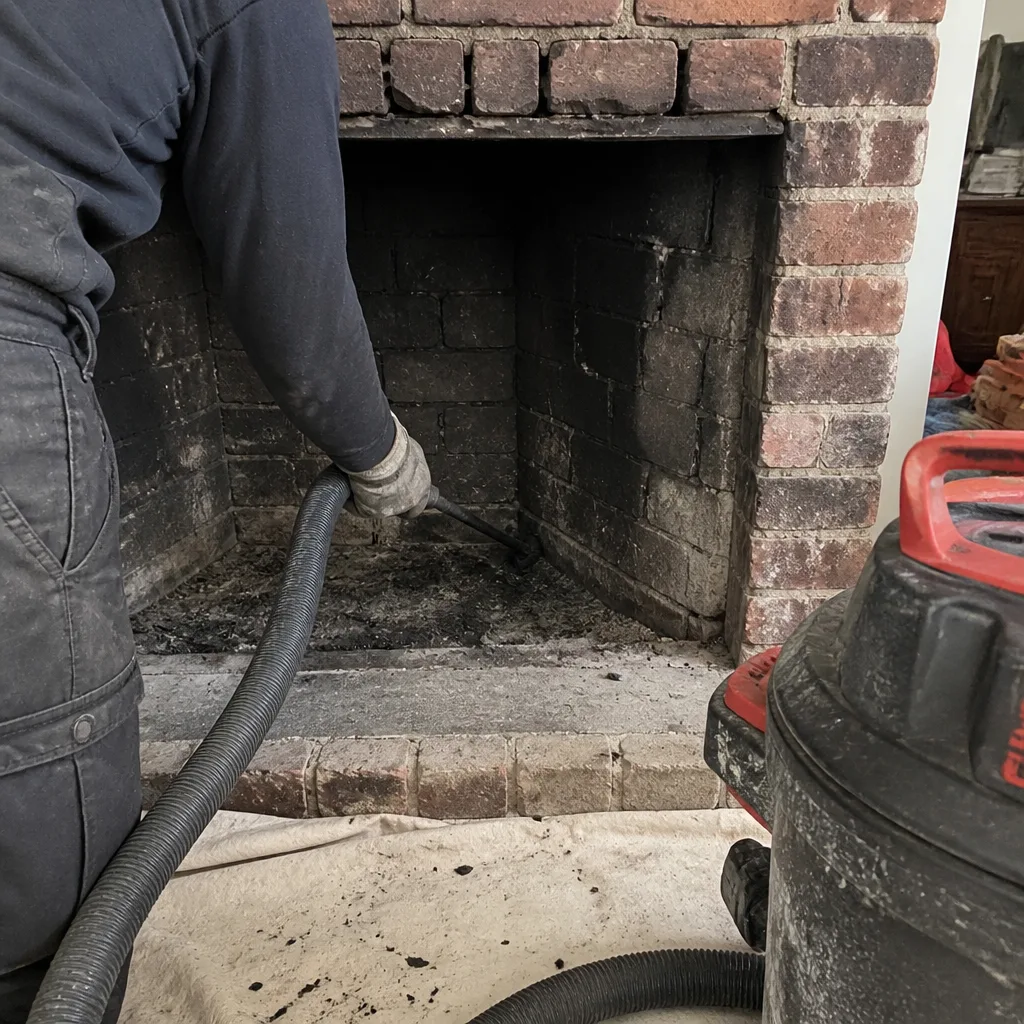 Before
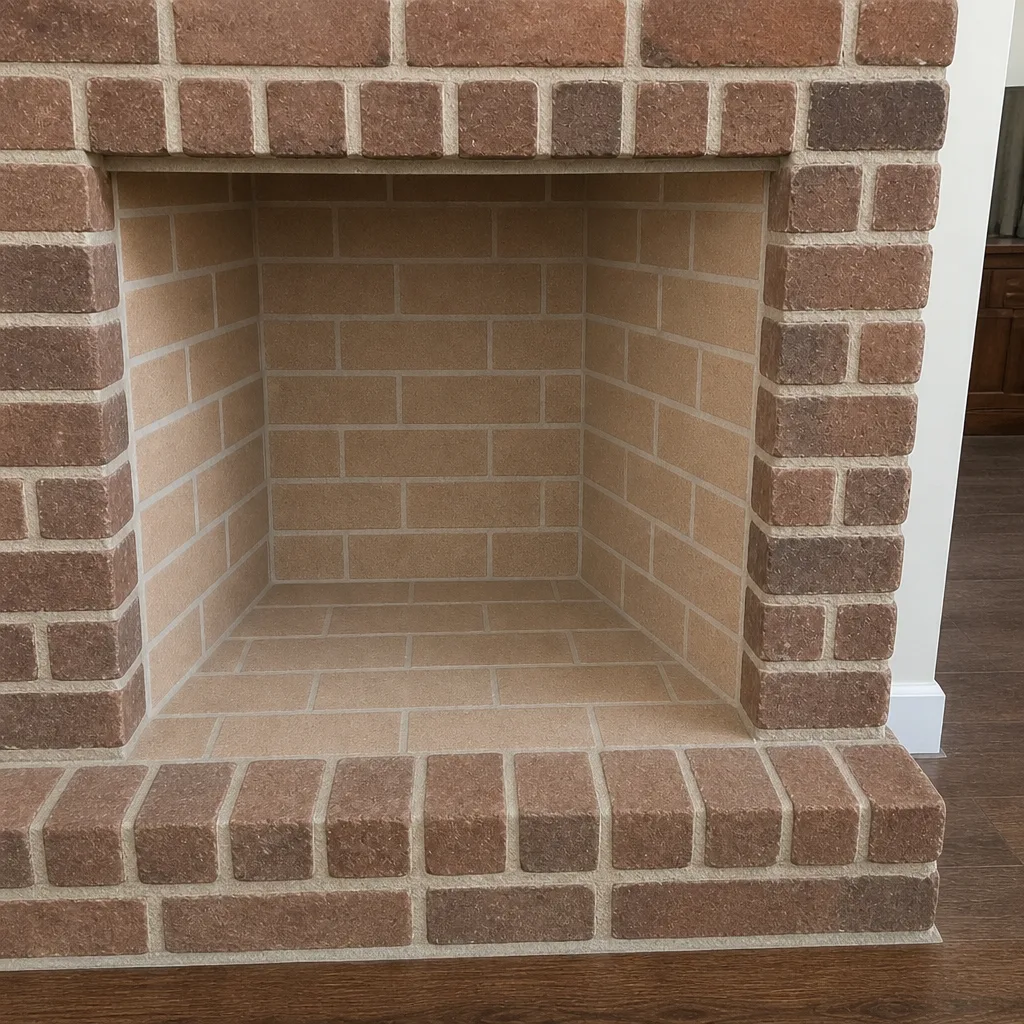 After
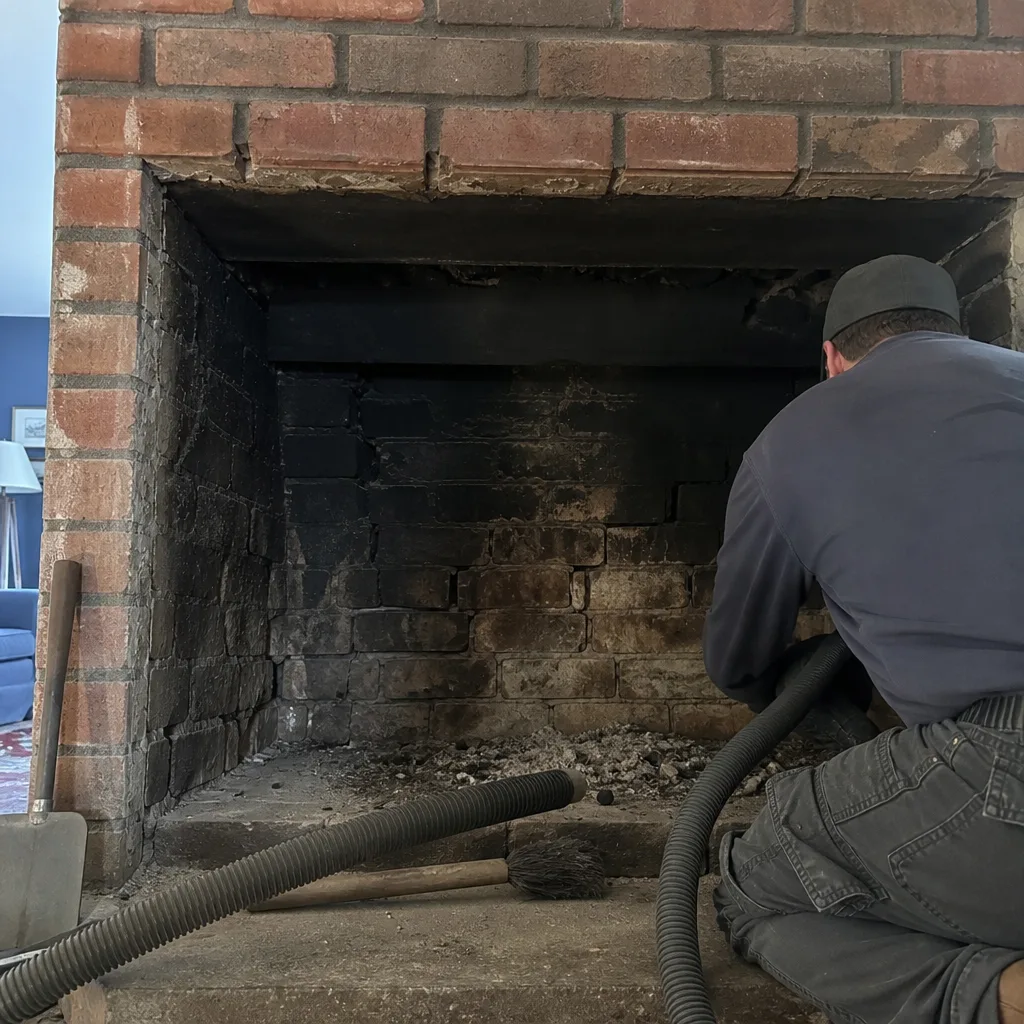 Before
 After
 Before
 After
When to Call a Professional
Call a professional when the chimney has gone more than a season without a sweep, when you’re buying a Knoxville home and don’t have a video inspection on paper, when there’s a visible crack in the crown or damaged flashing, or when you’ve had any chimney fire, even a small one. Also call if you see glazed, black residue on the firebox walls, if the fireplace smells smoky in summer, or if you notice rust on the damper. Each of those scenarios is a signal rather than an emergency, but none of them improve with another season of waiting. Chimney Sweep Knoxville offers free estimates in Knoxville – call (877) 792-6481. We answer 24/7. Fast dispatch from 7am to 7pm, Sunday through Friday.
Frequently Asked Questions
A standard chimney sweep in Knoxville typically runs $150 to $290 in 2026, and most sweeps include a Level 1 visual inspection in that price. A Level 2 video inspection adds typically $100 to $225 depending on the flue. The written estimate after an on-site look sets your final price. Call (877) 792-6481 for an exact quote – estimates are free.
You need a new liner only if there’s visible evidence in the flue that the existing liner has failed – a cracked clay tile, a separated metal seam, or a break the camera can see. You should never accept a relining recommendation without seeing the footage or stills that support it. The liner is a genuine safety component, but it’s also a real cost, and no honest technician will ask you to take that on faith. Ask to see the camera evidence before you sign off on any relining. Call (877) 792-6481 and ask to see the footage – estimates are free.
The general trade standard is once a year, or whenever creosote has built up to about a quarter inch inside the flue, whichever comes first. A chimney that’s used lightly and has been swept recently may stretch that slightly; a chimney that’s burned hard all winter may need it sooner. In Knoxville, where fireplaces tend to run long and low, the annual sweep is a sensible default. Call (877) 792-6481 to book a sweep or ask what schedule is right for your chimney.
Skipping a sweep lets creosote accumulate inside the flue, and when creosote ignites, the result is a chimney fire that can damage the liner or reach surrounding framing. Carbon monoxide is a separate concern if the flue is blocked. Skipping also means no inspection, so a failing liner can go unseen for years. The risk isn’t dramatic – it’s cumulative. The safest approach is to book the sweep before the problem is serious. Call (877) 792-6481 for an exact quote – estimates are free.
Insurance in Tennessee generally covers sudden damage – lightning, a tree strike, wind – and generally doesn’t cover damage from deferred maintenance, like a slow leak through a cracked crown. The key variable in a claim is documentation: a written report and photos from a proper inspection give the adjuster something to work with. We can work with your insurer and provide the documentation they need.
Cap replacement, crown repair, flashing re-seal, and minor firebox parging are almost always cheaper when done in the same visit as the sweep, because the setup and rooftop access are already covered. A full relining may be its own appointment but can usually be scheduled back-to-back with the inspection to avoid a return trip. Ask on the call which items can be combined. Call (877) 792-6481 – estimates are free.
The Bottom Line
Chimney service pricing in Knoxville varies by a factor of four because the word “sweep” is doing too much work. Some prices include a camera, a written report, and a technician who can confirm the liner is sound. Others don’t. The way to compare is by line item: sweep, inspection level, and any repairs you actually need. If a recommendation doesn’t come with camera evidence you can look at yourself, don’t accept it. If a technician tells you nothing needs doing this year, believe that too – good work includes saying so. Book before burning season rather than during it, and bundle the repairs that make sense to bundle. A chimney that’s swept and inspected on a regular basis rarely produces a surprise bill, and that regularity is the whole point of the guide.
Get a Free Estimate
If you’d like a written estimate for a chimney sweep, inspection, or any of the repairs covered here, call (877) 792-6481. We answer 24/7. Fast dispatch from 7am to 7pm, Sunday through Friday. We’ll show you what we found and explain exactly what it means before any work begins. Explore our Chimney Sweep Knoxville services if you want to see the full range of what we handle.
Written by the team at Chimney Sweep Knoxville.